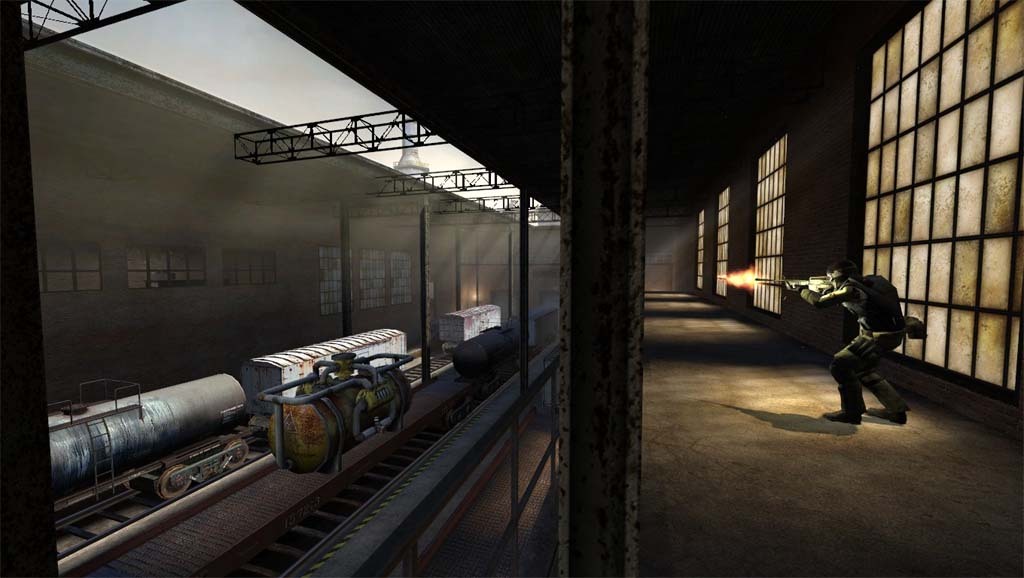
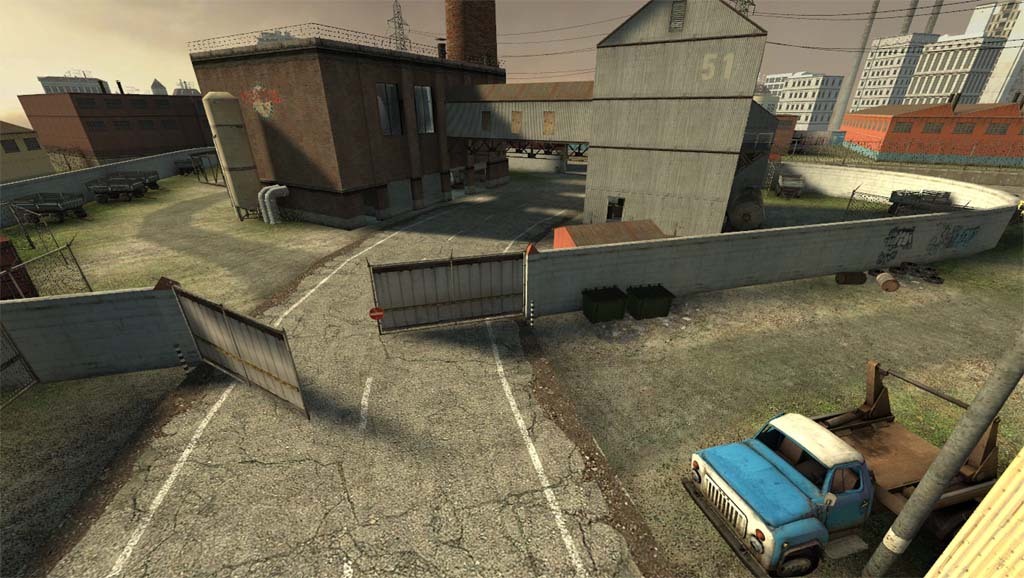
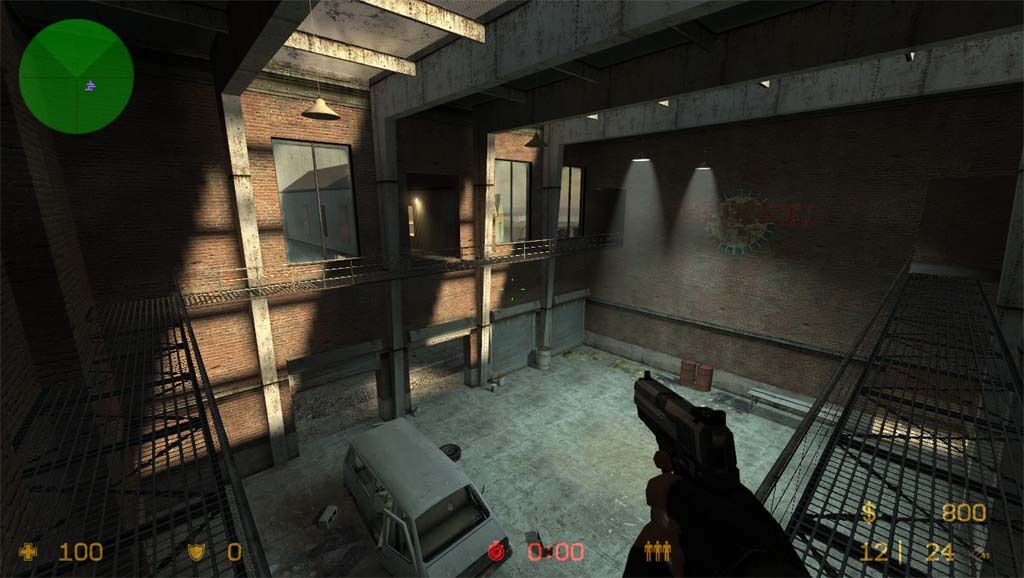
Counter-Strike: Source (CSS) is the Source Engine remake of the legendary Counter-Strike 1.6, bridging the gap between the original and CS:GO. While no longer the competitive standard, CSS maintains a dedicated community running classic maps, surf servers, zombie mod servers, and custom game modes. The gunplay sits between 1.6's raw precision and CS:GO's refined mechanics, with spray patterns that are less controllable but still learnable. CSS is where many iconic Counter-Strike mechanics were refined. The economy system, map control principles, and team communication protocols that define the franchise. Community servers with unique mods keep the game alive in 2026.
Starting Counter-Strike: Source can feel overwhelming. This guide tells you exactly what to focus on during your first hours so you don't waste time on things that don't matter yet. For the full progression path, see our walkthrough.
What Kind of Game Is This?
Counter-Strike: Source is a fps game built around economy management and spray patterns.
What to expect: Time investment in learning mechanics, experimentation, and gradual mastery.
Choosing Your First Role
| Role | Beginner Rating | Why |
|---|---|---|
| Entry Fragger | Good (but demanding) | Enter sites first, take opening duels, call enemy positions for teammates even if you die. |
| AWPer | Good (but demanding) | Hold long angles from cover, relocate after each kill to avoid trade kills, use smoke grenades defensively. |
| Support | Excellent for beginners | Flash for entry fraggers, smoke off defensive positions, trade kills when teammates die, provide information. |
| Lurker | Excellent for beginners | Separate from the team, hold an off-angle watching the rotation path, time your push to catch enemies rotating to your team's attack. |
| In-Game Leader | Excellent for beginners | Call strategies before rounds, coordinate utility usage, read enemy patterns, make mid-round calls based on information. |
Our recommendation: Start with AWPer. The dedicated sniper holding long angles with the AWP. One-shot kill to any body part makes the AWP the most impactful weapon in skilled hands. AWPers hold passive angles rather than pushing, making their positioning and map knowledge critical.
Avoid In-Game Leader as your first pick. The team's caller who decides strategy, coordinates utility, and calls mid-round adjustments. Once you're ready, check our classes guide for all options.
First Session Step-by-Step
Step 1: Learn economy management
Each round starts with a buy phase where your team's bank determines equipment. Winning rounds gives $3250, losing rounds give incrementally more ($1400-$3400) to enable comebacks. Full buy rounds (rifle + armor + utility) vs eco rounds (pistols only) vs force buys (partial equipment) require strategic team decisions. Managing economy as a team wins more games than individual skill.
This is the foundation. Spend your first 15-30 minutes getting comfortable with how economy management works before worrying about anything else. Our combat guide breaks this down further.
Step 2: Head to Dust 2
The most iconic FPS map in gaming history. Simple three-lane design (Long A, Mid, B Tunnels) that's been the competitive standard for decades. Every Counter-Strike player should know Dust 2 thoroughly.
See our maps guide for all locations.
Step 3: Get Your First Upgrade
Look for M4A1: it's the most accessible early upgrade. The Counter-Terrorist's primary rifle with lower damage than the AK but better accuracy and easier spray control. Cannot one-shot headshot through helmet (does 91 damage). $3100 purchase price. The most reliable CT rifle for all situations.
Step 4: Understand spray patterns
Each weapon has a fixed spray pattern. The AK-47 pulls up then left then right in a T shape. Counter-strafing (tapping the opposite movement key) resets accuracy instantly. CSS spray patterns are less predictable than CS:GO's, making burst firing at medium range more important than full-auto spray control.
Invest time here early.
Step 5: Push to Inferno
A claustrophobic map with narrow corridors (Banana, Apartments) and tight bomb sites. Favors utility usage and site executes. CT-sided due to strong defensive positions and narrow attack corridors.
Essential Mechanics Explained
economy management
Each round starts with a buy phase where your team's bank determines equipment. Winning rounds gives $3250, losing rounds give incrementally more ($1400-$3400) to enable comebacks. Full buy rounds (rifle + armor + utility) vs eco rounds (pistols only) vs force buys (partial equipment) require strategic team decisions. Managing economy as a team wins more games than individual skill.
spray patterns
Each weapon has a fixed spray pattern. The AK-47 pulls up then left then right in a T shape. Counter-strafing (tapping the opposite movement key) resets accuracy instantly. CSS spray patterns are less predictable than CS:GO's, making burst firing at medium range more important than full-auto spray control.
map callouts
Competitive communication uses standardized location names. On Dust 2: Long, Short, Cat, B Tunnels, Mid Doors, Pit, Goose, Car. Calling enemy positions by callout name gives your team precise information without confusion. Learning callouts is as important as learning to shoot.
bomb defusal
Terrorists plant the C4 (takes 3 seconds), Counter-Terrorists defuse it (10 seconds without kit, 5 with kit). After planting, Terrorists play defense. The defuse kit ($400) is essential. Buying one saves rounds that would otherwise be unwinnable. Post-plant positioning determines most round outcomes.
hostage rescue
Counter-Terrorists must extract hostages from Terrorist-held locations. CTs attack, Ts defend. The opposite dynamic from bomb defusal. Hostage maps are less popular competitively but common on community servers. Carrying a hostage slows your movement significantly.
Common Beginner Mistakes
1. Running while shooting
CSS has severe movement inaccuracy penalties. You must stop before firing for any chance of hitting your target beyond close range.
2. Reloading after every kill
The reload animation locks you for 2-3 seconds during which you can't defend yourself. Only reload when you're sure the area is clear.
3. Buying every round regardless of team economy
If the team is eco'ing, one player force-buying and dying wastes $4000+ that delays the team's full buy by another round.
4. Pushing through smoke grenades
Enemies holding the other side of a smoke see you before you see them due to the render distance of the smoke edge. Wait for smokes to fade.
5. Not communicating enemy positions
Dying without calling where the enemy is wastes your death entirely. Always call the enemy's position, weapon, and direction before dying.
First 5 Hours Checklist
- Understand economy management and spray patterns
- Choose AWPer as starting role
- Clear Dust 2 main content
- Acquire M4A1 or equivalent upgrade
- Reach Inferno
- Crosshair placement at head height is the single most important mechanical skill. Walk with your crosshair where heads will appear. This reduces the aim adjustment needed when enemies appear.
- Buy armor every round you can afford it. The aim punch from bullets hitting an unarmored player makes it nearly impossible to win gunfights. $650 for Kevlar is the most important purchase after a rifle.
Tips for New Players
- Crosshair placement at head height is the single most important mechanical skill. Walk with your crosshair where heads will appear. This reduces the aim adjustment needed when enemies appear.
- Buy armor every round you can afford it. The aim punch from bullets hitting an unarmored player makes it nearly impossible to win gunfights. $650 for Kevlar is the most important purchase after a rifle.
- Learn 3-5 smoke lineups for your most played map. Consistent smokes that block key sightlines win more rounds than raw aim skill.
- Counter-strafe before shooting. Tap the opposite movement key to instantly stop. Bullets in CSS are inaccurate while moving. The counter-strafe tap gives you standing accuracy immediately.
- Eco round doesn't mean rush and die. Eco rounds can be won with Desert Eagles aiming for headshots from unexpected positions. Play for picks, not site takes.
- Buy a defuse kit as CT. Five-second defuse instead of ten-second defuse wins otherwise unwinnable post-plant situations. At least 2-3 CTs should have kits every round.
- Sound is your best information tool. Footsteps, weapon switches, and scope sounds all reveal enemy positions. Play with headphones and learn to locate sounds directionally.
- Burst fire at medium range (7-10 bullets), single-tap at long range. Full-auto spray is only reliable within 15 meters. Controlled bursts maintain accuracy.
- Watch the minimap constantly. Your teammates' deaths and positions give real-time information about enemy locations without anyone needing to call.
- Community servers with surf, zombie mod, and minigame modes are where CSS truly shines in 2026. The competitive scene has moved to CS2 but the community server culture remains vibrant.
Frequently Asked Questions
Is Counter-Strike: Source still active?
Yes, through community servers. The competitive scene has fully moved to CS2, but CSS community servers running surf, zombie mod, prison break, and custom game modes maintain a daily player base of thousands.
Should I play CSS or CS2?
For competitive play, CS2 is the standard. For community server experiences (surf, zombies, custom modes), CSS has a more established and diverse server ecosystem. Many CSS community mods haven't been ported to CS2 yet.
Can I play Counter-Strike: Source on modern hardware?
Yes, it runs on virtually any modern hardware due to the Source Engine's age. High refresh rate monitors (144Hz+) are supported and provide a significant advantage. Most players run it at 300+ FPS.
Similar Games
If you enjoy Counter-Strike: Source, check out these related guides:
- Counter-Strike 2 Beginner's Guide: fps game with similar mechanics
- Apex Legends Beginner's Guide: fps game with similar mechanics
- Rainbow Six Siege Beginner's Guide: fps game with similar mechanics