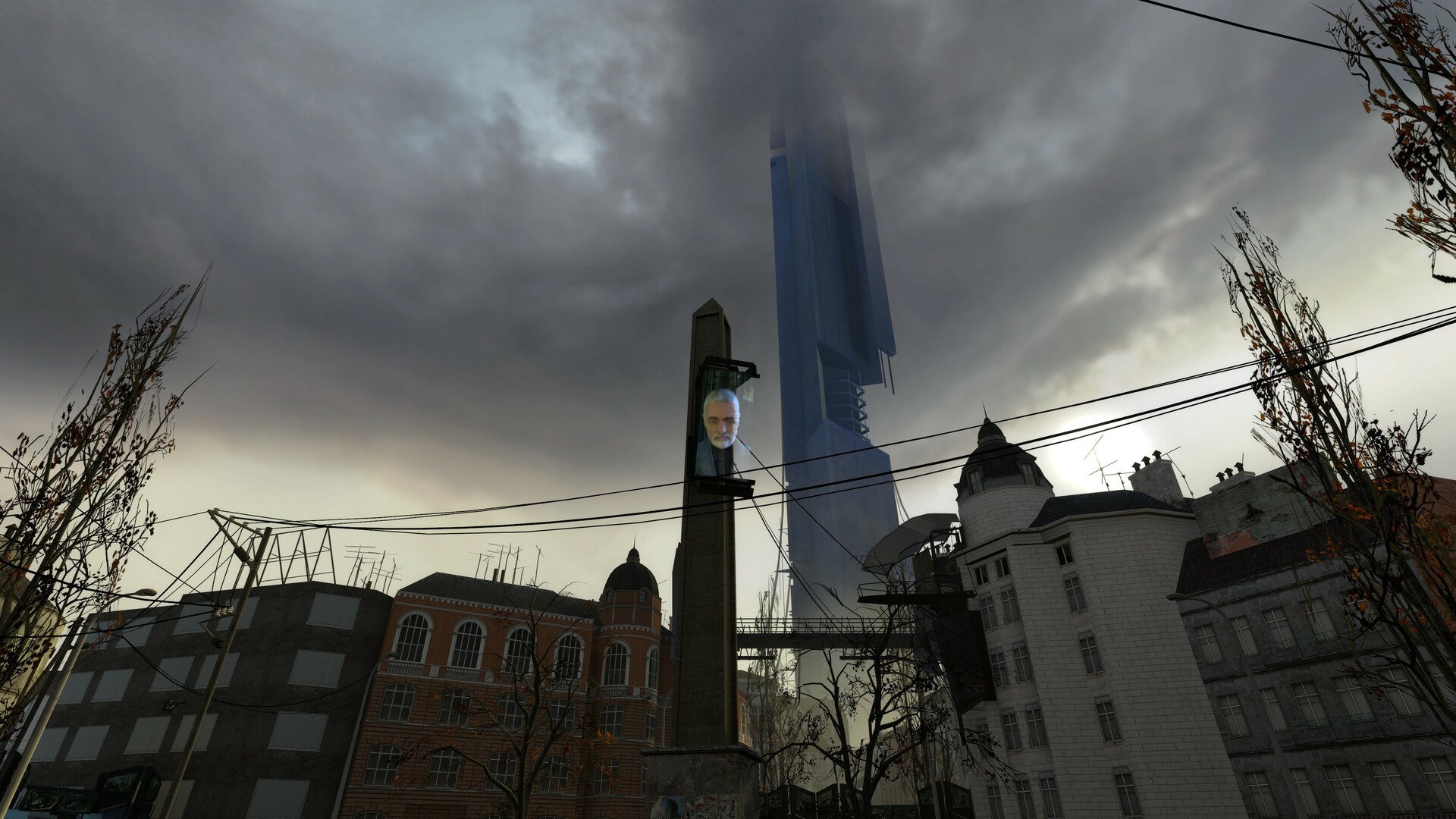
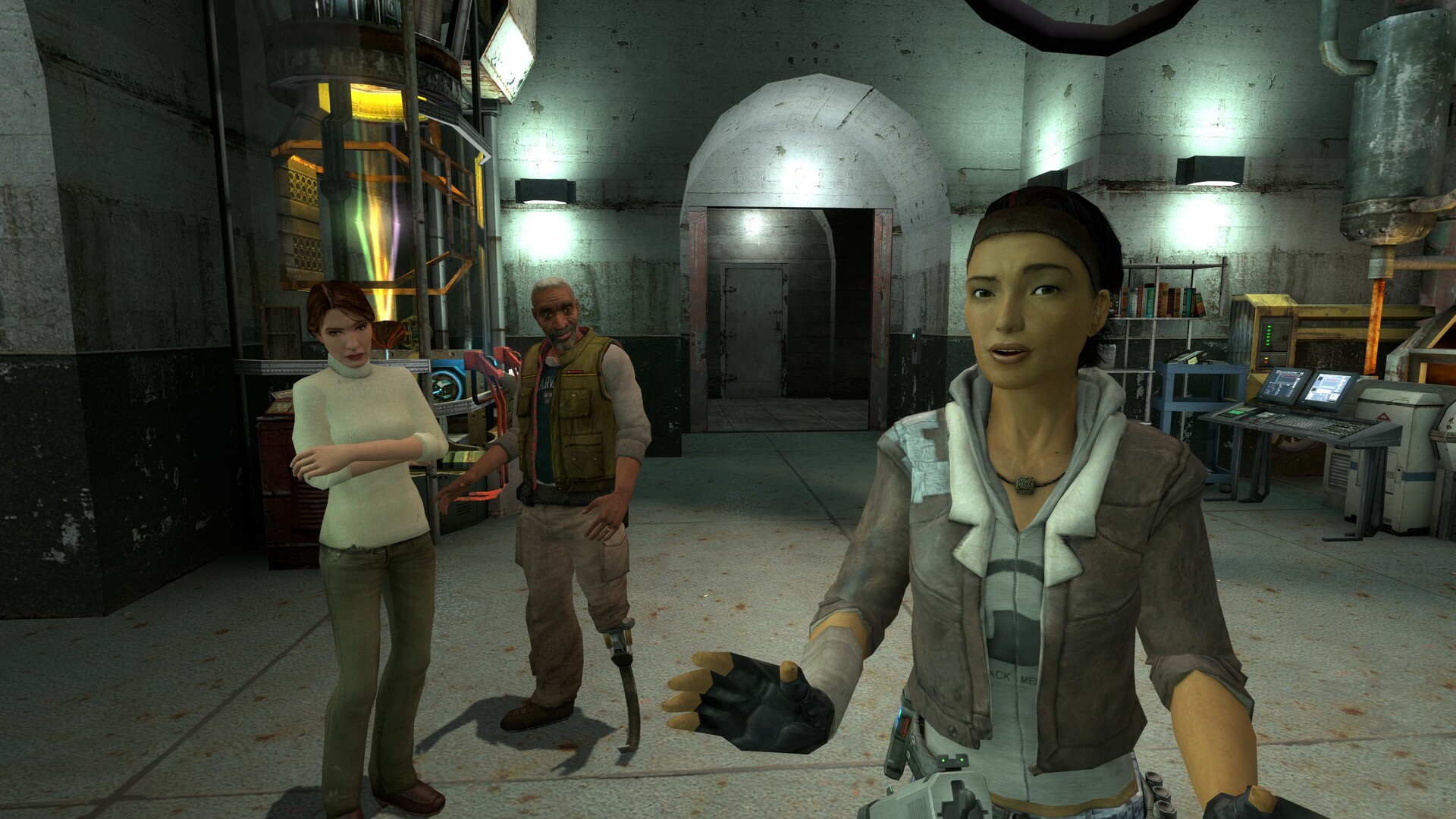
Half-Life 2 is Valve's legendary FPS that redefined the genre through physics-based gameplay, environmental storytelling, and the Gravity Gun. Playing as Gordon Freeman in the dystopian City 17 under the Combine's alien occupation, you fight through varied environments using creative physics interactions alongside traditional gunplay. The Gravity Gun transforms every object into a weapon. Sawblades, radiators, and explosive barrels become your arsenal. Twenty years after release, HL2's pacing, level design, and moment-to-moment gameplay remain a masterclass. The Episodes (1 and 2) continue the story with refined gameplay and one of gaming's most memorable endings.
This guide covers everything you need: core mechanics, the best characters, weapons worth investing in, location progression, and the tips that actually make a difference.
Core Mechanics
gravity gun physics
The Gravity Gun lets you pick up and launch any physics object. A radiator launched at a Combine soldier kills instantly. Explosive barrels become ranged explosives. Sawblades pin enemies to walls. In the final chapter, the Super Gravity Gun rips apart Combine soldiers and their equipment, turning you into an unstoppable force.
vehicle sequences
Extended driving sections with the airboat (canals) and muscle car (Highway 17) break up combat pacing. Vehicles have a mounted gun and physics-based handling. The Highway 17 bridge sequence (driving along a collapsing bridge over a canyon) remains one of gaming's most memorable vehicle sections.
squad commands
In later chapters, friendly rebels join you and can be commanded with simple point-and-click orders. Medics in the squad heal you, soldiers provide covering fire, and their AI pathfinding keeps them useful in combat. Squad size varies by section, reaching up to 8 rebels in the final assault.
environmental puzzles
Physics puzzles use the Source engine's realistic physics. Weight, buoyancy, leverage. Placing cinder blocks on a seesaw to reach a ledge, stacking objects to climb, flooding rooms by breaking pipes. Puzzles integrate naturally into the environment rather than feeling like separate puzzle rooms.
narrative exploration
Story is told entirely through in-game events, NPC dialogue, and environmental details. No cutscenes interrupt gameplay. The world-building through propaganda posters, overheard Combine radio chatter, and civilian reactions creates an oppressive atmosphere that feels lived-in.
For a deeper dive into how these systems interact, see our Half-Life 2 combat guide.
Characters Overview
| Role | Tier | Playstyle | Key Stats |
|---|---|---|---|
| Run and Gun | S | Engage enemies directly with the best weapon for each range. Shotgun close, pulse rifle mid, crossbow long range. | Ammo conservation, weapon switching speed |
| Physics Master | S | Scan each area for physics objects, use the Gravity Gun to launch them at enemies. Sawblades and radiators are the best projectiles. | Object awareness, Gravity Gun accuracy |
| Conservationist | A | Use the Gravity Gun and crossbow for most kills, conserve rifle and shotgun ammo for emergencies. | Ammo conservation, headshot accuracy, object usage |
| Explorer | A | Check every room, break every crate, find every lambda cache. The extra supplies make combat encounters much more comfortable. | Observation, exploration thoroughness |
| Speedrunner | B | Skip large portions of the game through movement exploits. Requires hundreds of hours of practice for competitive times. | Bhop timing, route knowledge, trigger manipulation |
Run and Gun (S-Tier): The standard FPS approach using conventional weapons for all encounters. The pulse rifle and shotgun handle most situations. Supply crates are frequent enough to maintain ammunition through aggressive play.
Physics Master (S-Tier): Uses the Gravity Gun as the primary weapon, launching environmental objects for kills. Sawblades, radiators, barrels, and furniture all one-shot kill Combine soldiers. The most creative and satisfying playstyle.
Conservationist (A-Tier): Prioritizes ammo conservation by using physics objects, melee, and the crossbow (retrievable bolts). This playstyle is necessary on Hard difficulty where ammo is scarcer and health kits are limited.
Explorer (A-Tier): Searches every corner for supply crates, lambda caches (hidden supply stashes marked with lambda symbols), and environmental storytelling details. Half-Life 2 rewards thorough exploration with ammo, health, and lore.
Speedrunner (B-Tier): Exploits Source engine physics for accelerated movement using bunny hopping (bhop), prop flying, and trigger skips. Speedrunning HL2 requires deep engine knowledge. ABH (Accelerated Back Hopping) lets you reach absurd speeds.
For full build breakdowns with gear and stat priorities, see our Half-Life 2 builds guide. For rankings, check the tier list.
Weapons Guide
| Weapon | Why It Matters | Best For |
|---|---|---|
| Gravity Gun | The defining weapon of Half-Life 2. | Physics Master, all playstyles |
| Crossbow | A silent sniper weapon firing heated rebar bolts. | Conservationist, Run and Gun (long range) |
| Pulse Rifle | The Combine's standard assault rifle with a 30-round magazine and an alt-fire energy ball that disintegrates enemies. | Run and Gun |
| RPG | Guided rocket launcher. | Anti-vehicle encounters |
| Shotgun | Double-barreled shotgun with single and double-fire modes. | Run and Gun (close range) |
Gravity Gun: The defining weapon of Half-Life 2. Primary fire punts held objects at high speed; secondary fire attracts objects. Kills with physics objects don't use ammo, making it infinitely sustainable. The Super Gravity Gun in the Citadel is even more powerful.
Crossbow: A silent sniper weapon firing heated rebar bolts. One-shot headshot kills Combine soldiers at any range. Bolts can be retrieved from kills (walk over the body). The scope provides precision aiming for long-range encounters.
Pulse Rifle: The Combine's standard assault rifle with a 30-round magazine and an alt-fire energy ball that disintegrates enemies. The energy ball bounces off walls, clearing rooms around corners. 3 energy balls max carry. The best mid-range weapon.
RPG: Guided rocket launcher. The rocket follows your laser pointer. Essential for Gunship fights (Gunships require 3-5 guided rockets). Also effective against Striders. Limited ammo but critical for specific encounters.
Shotgun: Double-barreled shotgun with single and double-fire modes. The double-barrel blast one-shots most enemies at close range. Primary fire (single barrel) is efficient for medium-range. The best close-quarters weapon in the game.
Full breakdowns in our Half-Life 2 weapons guide.
Location Progression
| Location | Level Range | Key Rewards |
|---|---|---|
| City 17 | Chapter 1 / Final chapters | Introduction to all mechanics, crowbar, pistol, story setup |
| Ravenholm | Chapter 6 | Shotgun, physics combat mastery, horror experience, sawblade kills |
| Highway 17 | Chapter 8 | Vehicle combat, antlion encounters, coastal scenery, tau cannon |
| Nova Prospekt | Chapter 9-10 | Turret placement, squad combat, story climax, pulse rifle |
| The Citadel | Chapter 14 (Final) | Super Gravity Gun, story resolution, endgame spectacle |
City 17: The opening area and endgame location. The oppressive Combine-controlled city establishes the tone and introduces core mechanics. The Civil Protection chase through apartments teaches movement and basic combat. Returns for the final battle.
Ravenholm: The horror chapter with headcrab zombies and the Gravity Gun as your primary weapon. Father Grigori guides you through with a shotgun and iconic one-liners. Sawblades and traps are scattered everywhere for physics kills. 'We don't go to Ravenholm.'
Highway 17: The coastal driving chapter with the muscle car and mounted tau cannon. Features the bridge sequence, antlion encounters, and lighthouse defense. Long but varied chapter with vehicle and on-foot sections.
Nova Prospekt: A Combine prison facility with intense squad-based combat. The turret placement mechanic lets you set up defenses at choke points. The emotional turning point of the story occurs here.
The Citadel: The final chapter inside the Combine's towering fortress. The Super Gravity Gun replaces all weapons, letting you rip apart Combine soldiers and technology. The most empowering gameplay in the entire game.
See our maps & locations guide for detailed area breakdowns and our walkthrough for the optimal progression path.
Tips That Actually Matter
- Sawblades launched with the Gravity Gun are the best weapon in Ravenholm. They slice through multiple zombies and can be retrieved from walls. Always carry a sawblade.
- The crossbow's heated rebar bolts pin enemies to walls. Headshots on Combine soldiers are always one-shot kills. Retrieve bolts by walking over fallen enemies.
- Break every crate and box you see with the crowbar. Supply crates contain ammo, health, and suit energy. Lambda symbols (λ) painted on walls indicate hidden supply caches nearby.
- The pulse rifle's alt-fire energy ball bounces off walls and disintegrates any enemy it touches. Bounce it around corners to clear rooms without exposing yourself.
- Gunships require guided RPG rockets to destroy. Fire the rocket and guide it with your laser. The Gunship will try to shoot the rocket down, so weave it through cover.
- In Ravenholm, you can shoot the red barrels near gas pumps to create explosive traps. Lure zombies toward them with noise or movement.
- Sprint-jumping (sprint + jump simultaneously) gives a speed boost and longer jump distance. Use this to cross gaps and reach areas you couldn't normally access.
- Antlion pheropods (bugbait) let you command antlions to attack enemies. Throw the pheropod at a Combine position and your antlion swarm overwhelms them.
- The Gravity Gun catches incoming grenades thrown by Combine soldiers. Catch and throw them back for poetic justice and efficient kills.
- Turn on developer commentary in the options menu for a fascinating behind-the-scenes look at HL2's level design and game development philosophy.
Common Mistakes to Avoid
- Hoarding ammo and never using it. Half-Life 2 provides enough ammo for sustained combat. Using your full arsenal makes every fight easier and more fun.
- Ignoring the Gravity Gun after getting better weapons. The Gravity Gun remains the best weapon throughout the game because physics kills don't cost ammo and are often one-shot kills.
- Trying to fight Gunships with regular weapons. Gunships are nearly immune to bullets. You must use the guided RPG. The game always provides RPG ammo near Gunship encounters.
- Running past supply crates without breaking them. Crates are the primary source of health kits and ammo. Breaking every crate ensures you're always well-supplied.
- Not using the turret placement mechanic in Nova Prospekt. Turrets provide enormous DPS at choke points. Place them facing enemy spawn doors and let them do the work.
Frequently Asked Questions
Is Half-Life 2 still worth playing in 2026?
Absolutely. The physics gameplay, pacing, and level design are timeless. The Source Engine has aged but mods like the cinematic mod can update visuals. Half-Life 2 remains one of the best single-player FPS games ever made.
Do I need to play Half-Life 1 first?
Not strictly required but recommended for context. Half-Life 2 provides enough context through environmental storytelling and dialogue to understand the situation. HL1 or Black Mesa (the fan-made remake) provides the full backstory.
What about the Episodes?
Episode 1 and Episode 2 are direct continuations and should be played after HL2. Episode 2 especially adds refined combat and ends on a legendary cliffhanger. Both are included in the Half-Life 2 package.
Will there be a Half-Life 3?
Half-Life: Alyx (2020 VR game) continued the story and hinted at future developments. No official announcement for HL3 exists. The community lives in perpetual hope.
Similar Games
If you enjoy Half-Life 2, check out these related guides:
- Counter-Strike 2 Guide: fps game with similar mechanics
- Apex Legends Guide: fps game with similar mechanics
- Rainbow Six Siege Guide: fps game with similar mechanics