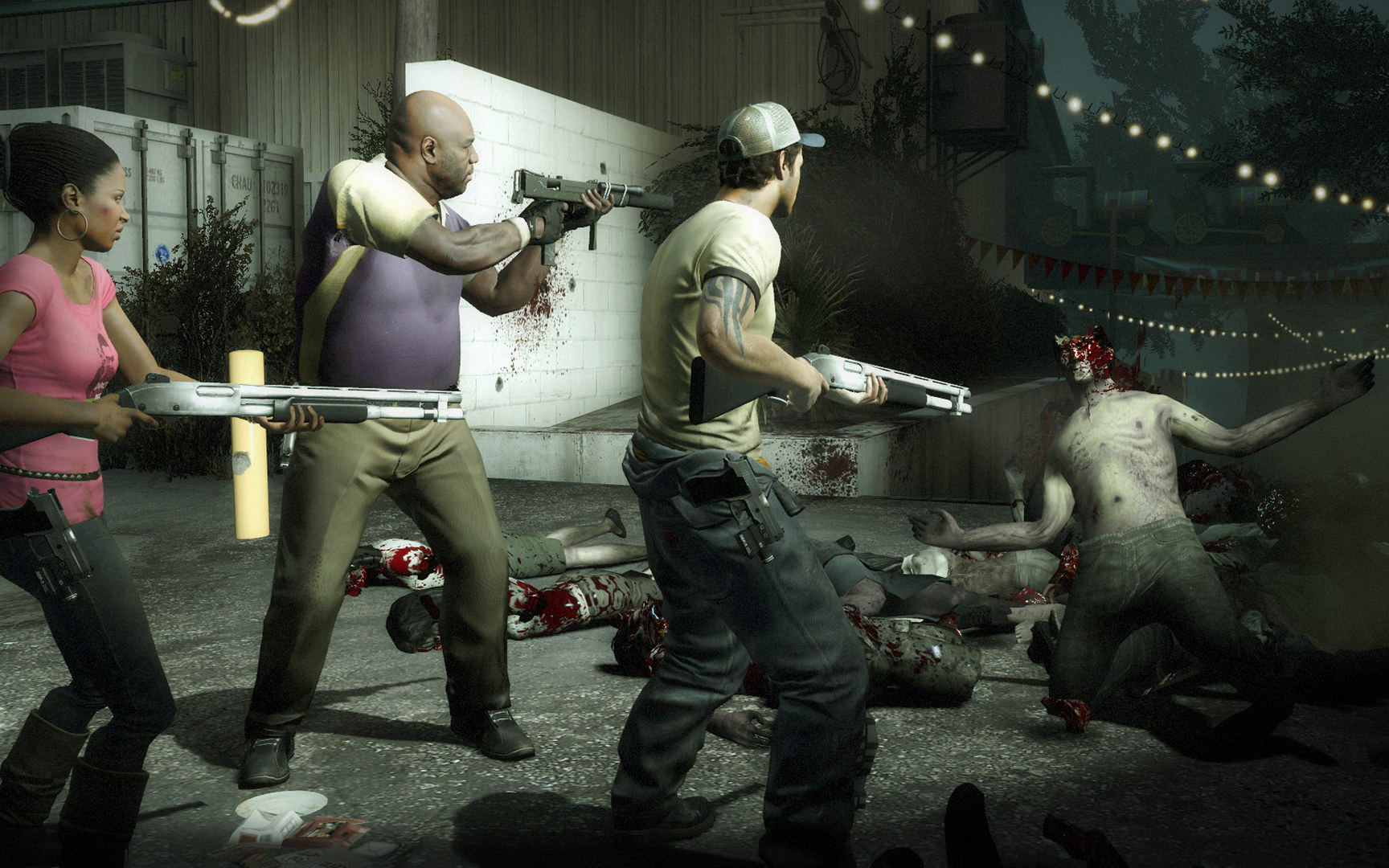
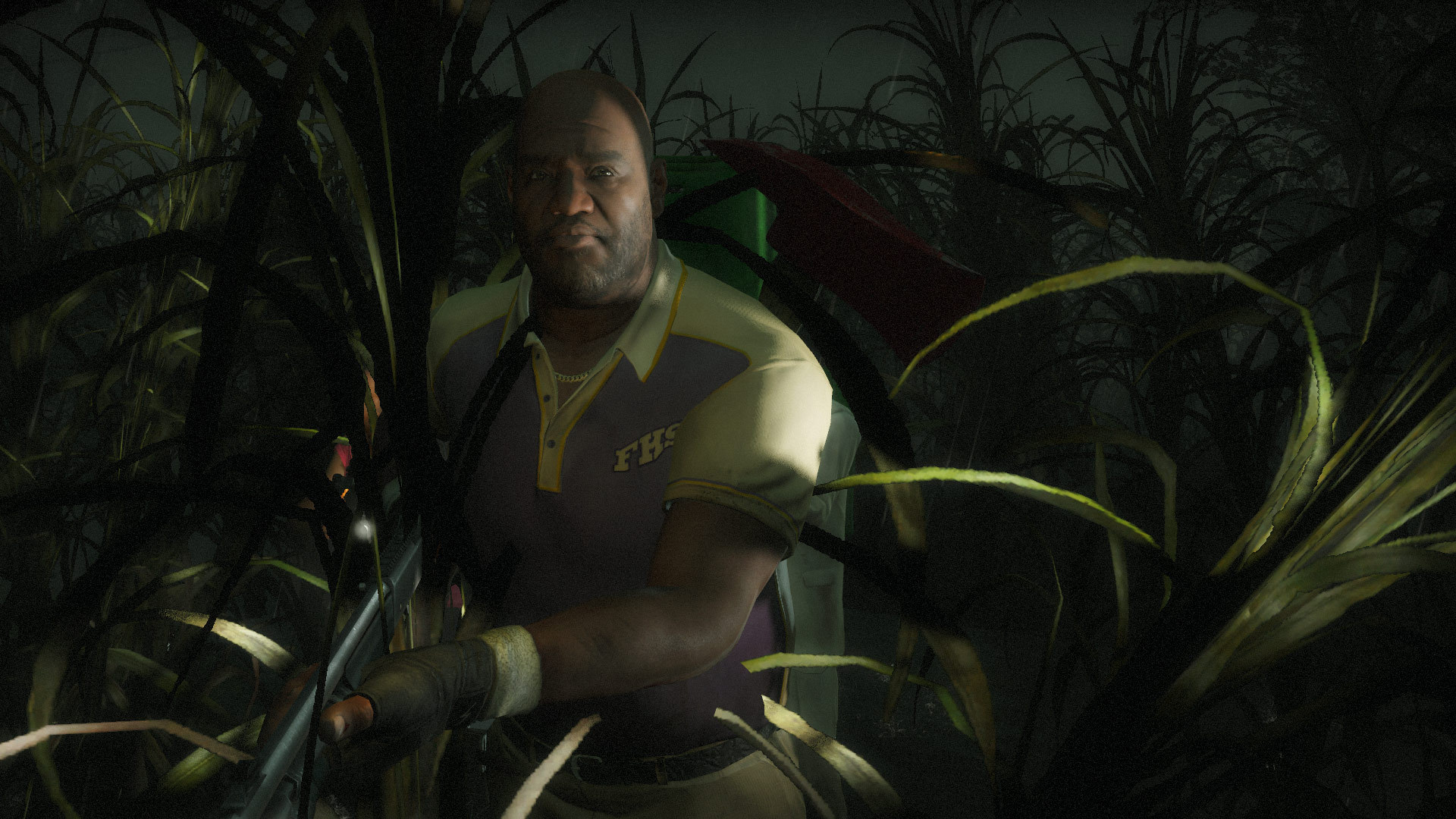
Left 4 Dead 2 is Valve's cooperative zombie FPS that perfected the 4-player co-op formula with its AI Director system. The Director dynamically adjusts zombie spawns, item placement, and pacing based on player performance. If you're doing well, it throws more zombies; if you're struggling, it eases up. This creates a unique experience every playthrough even on the same campaign. The Special Infected roster (Smoker, Hunter, Boomer, Charger, Spitter, Jockey) each counter different player behaviors, forcing teamwork. Versus mode, where 4 players control Special Infected against 4 Survivors, is one of competitive gaming's most unique experiences. Community Workshop support keeps the game alive with thousands of custom campaigns and modifications.
This guide covers everything you need: core mechanics, the best characters, weapons worth investing in, location progression, and the tips that actually make a difference.
Core Mechanics
AI director pacing
The AI Director monitors team health, ammo, pacing, and progress to dynamically adjust the experience. Slow teams face fewer enemies but more ambient danger. Fast teams get hit with crescendo events and tank spawns. The Director places items (health kits, ammo, throwables) based on team needs. No two playthroughs are identical.
special infected types
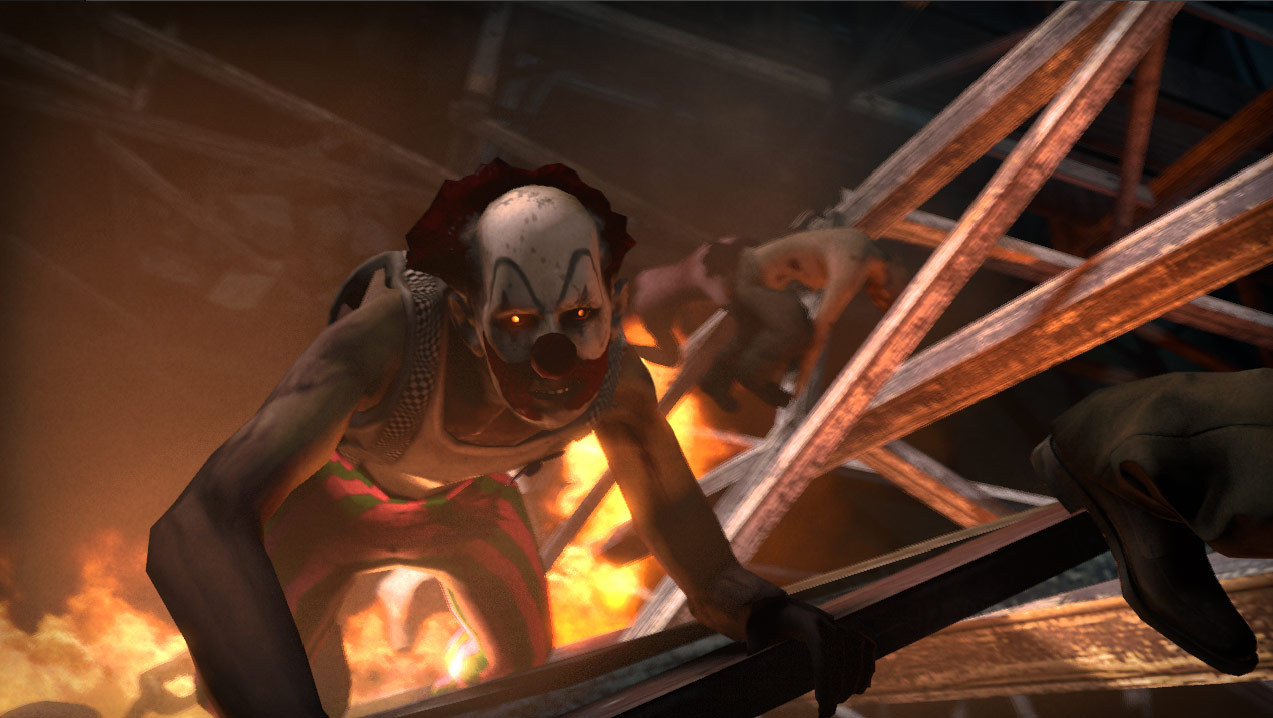
Eight Special Infected types: Smoker (tongue grab from distance), Hunter (pounce pin), Boomer (blinds with bile), Charger (charges and slams), Spitter (area denial acid), Jockey (rides and steers Survivors), Tank (massive HP boss), Witch (one-hit-down ambush). Each punishes a specific Survivor behavior.
versus mode
4v4 mode where teams alternate between Survivors and Infected. Survivor team tries to reach safe rooms; Infected team tries to kill or delay them. Points are based on distance traveled and health remaining. Infected players choose which Special Infected to spawn as, coordinating attacks for maximum effectiveness.
weapon tier system
Tier 1 weapons (SMG, pump shotgun, chrome shotgun) are available at campaign start. Tier 2 weapons (assault rifle, auto shotgun, hunting rifle, military sniper) appear in later chapters. Melee weapons (katana, machete, crowbar) provide infinite-durability close-range alternatives to pistols.
safe room checkpoints
Each campaign chapter ends at a safe room that heals incapacitated Survivors to 50 HP. Reaching the safe room is the immediate goal of each chapter. The final chapter of each campaign has a crescendo finale requiring Survivors to hold a position until rescue arrives.
For a deeper dive into how these systems interact, see our Left 4 Dead 2 combat guide.
Characters Overview
| Role | Tier | Playstyle | Key Stats |
|---|---|---|---|
| Point Man | S | Lead the team through the map, clear common infected from the path, call out Special Infected positions. | Target Priority, Pacing, Communication |
| Medic | S | Stay in the middle of the group, heal the most injured player first, use voice chat to coordinate health management. | Positioning (stay alive), Heal Priority, Team Awareness |
| Ammo Carrier | A | Use ammo-efficient weapons, call out ammo pile locations, switch to melee when ammo is scarce. | Ammo Awareness, Backup Weapon Proficiency |
| Rear Guard | A | Walk backward at the back of the group, watch for flanking Special Infected, shove common infected away from the group's rear. | Rear Awareness, Quick Reaction, Shove Timing |
| Bile Bomber | A | Always carry a bile bomb, use it during hordes to redirect zombies away from the team, throw on Tanks for massive damage. | Bile Bomb awareness, Throw accuracy |
Point Man (S-Tier): The lead position using a shotgun or assault rifle to clear the path. The Point Man deals with immediate threats and sets the pace for the team. Must balance speed (reaching the safe room) with caution (not outrunning the team).
Medic (S-Tier): Carries the first aid kit and prioritizes healing teammates over personal supplies. The Medic uses pills/adrenaline for themselves and saves kits for the most injured player. Staying alive as Medic is critical. A dead healer means the team dies.
Ammo Carrier (A-Tier): Tracks team ammunition and calls for ammo piles. In extended campaigns, ammo management determines survival. The ammo carrier identifies ammo stashes and ensures the team doesn't pass them.
Rear Guard (A-Tier): Covers the team's back, watching for Smokers, Hunters, and Jockeys approaching from behind. The Rear Guard prevents surprise attacks that pin teammates without anyone noticing. Uses the shotgun for reliable stopping power at close range.
Bile Bomber (A-Tier): Prioritizes bile bombs (Boomer Bile) for horde control. Throwing bile on a Tank causes all nearby common infected to attack the Tank instead of the team. Bile bombs are the most powerful throwable for controlling chaotic situations.
For full build breakdowns with gear and stat priorities, see our Left 4 Dead 2 builds guide. For rankings, check the tier list.
Weapons Guide
| Weapon | Why It Matters | Best For |
|---|---|---|
| Combat Shotgun | The auto-shotgun with the highest close-range DPS in the game. | Point Man, Rear Guard |
| M16 Assault Rifle | The most versatile Tier 2 weapon with good accuracy, fire rate, and magazine size (50 rounds). | Point Man, general use |
| Hunting Rifle | Semi-automatic sniper with high per-shot damage. | Ammo Carrier |
| Katana | The best melee weapon with the fastest swing speed and widest arc. | Any role (melee secondary) |
| Grenade Launcher | A Tier 2 weapon that fires explosive grenades bouncing off surfaces. | Experienced players only |
Combat Shotgun: The auto-shotgun with the highest close-range DPS in the game. 10-round magazine with fast semi-auto fire. One-shots common infected and staggers Special Infected. The best weapon for Point Man and Rear Guard positions.
M16 Assault Rifle: The most versatile Tier 2 weapon with good accuracy, fire rate, and magazine size (50 rounds). Effective at all ranges. The burst-fire mode (3-round bursts) improves accuracy at long range. The safe choice when unsure.
Hunting Rifle: Semi-automatic sniper with high per-shot damage. Penetrates multiple common infected in a line. The most ammo-efficient weapon due to high damage per bullet. Struggles against close-range Charger/Tank encounters.
Katana: The best melee weapon with the fastest swing speed and widest arc. Melee weapons have infinite durability and are always available. The katana cleaves through hordes efficiently. Pairs with a pistol for ranged backup.
Grenade Launcher: A Tier 2 weapon that fires explosive grenades bouncing off surfaces. Devastating against hordes and Special Infected groups. Friendly fire with grenades is a major risk. Communicate before firing. Limited ammo with no resupply.
Full breakdowns in our Left 4 Dead 2 weapons guide.
Location Progression
| Location | Level Range | Key Rewards |
|---|---|---|
| Dead Center | Beginner | Mechanic introduction, accessible difficulty, gas can finale |
| Dark Carnival | Intermediate | Concert finale, carnival atmosphere, varied encounters |
| Hard Rain | Intermediate-Advanced | Dynamic environment, flooding mechanics, retracing gameplay |
| The Parish | Advanced | Bridge finale, urban combat, campaign conclusion |
| No Mercy | All levels (classic) | Classic campaign, hospital rooftop finale, L4D1 nostalgia |
Dead Center: The opening campaign set in a Savannah hotel and mall. Introduces all mechanics gradually. The finale requires collecting gas cans to fuel an escape car while fighting hordes. The most beginner-friendly campaign.
Dark Carnival: A zombie-infested carnival with roller coasters, midway games, and a rock concert finale. The concert finale involves playing a rock song to attract rescue while fighting massive hordes. The most iconic L4D2 campaign.
Hard Rain: A unique campaign where you travel to a destination and then retrace your steps through the same area now flooded by a storm. Rising water levels change traversal and zombie spawns. The storm reduces visibility dramatically.
The Parish: The final vanilla campaign crossing New Orleans to reach a military evacuation bridge. Dense urban environments with long streets and rooftop sections. The bridge finale is a lengthy sprint across a zombie-infested highway bridge.
No Mercy: The original L4D1 campaign remastered for L4D2 with updated infected roster. The hospital rooftop finale is the classic L4D experience. Features the iconic subway and sewer sections.
See our maps & locations guide for detailed area breakdowns and our walkthrough for the optimal progression path.
Tips That Actually Matter
- Stay together. The AI Director specifically punishes isolated players by spawning Smokers, Hunters, and Chargers to pin them where teammates can't help. The #1 rule of L4D2.
- Shove (right-click) teammates to break Special Infected grabs. Shove a teammate who's being ridden by a Jockey, grabbed by a Smoker, or pounced by a Hunter to free them instantly.
- Bile bombs thrown on a Tank cause all nearby common infected to attack the Tank, dealing massive chip damage while distracting it. This is the single best use of bile bombs.
- Melee weapons cleave through unlimited common infected in a swing. When surrounded by a horde, a katana or machete outperforms any gun for clearing a path.
- The Witch kills any Survivor she catches in one hit on Advanced/Expert. Listen for her crying sound, turn off flashlights, and walk slowly around her. Or, cr0wn her with a shotgun headshot.
- In Versus mode, coordinate Special Infected attacks. A lone Hunter pounce is freed immediately. A Hunter pounce during a Boomer bile is devastating because teammates can't see to help.
- Pipe bombs attract all common infected in a large radius before exploding. Throw them during hordes to clear an entire wave without firing a shot.
- The AI Director places more items when the team is struggling. If you're low on health and ammo, the next room likely has supplies. Keep pushing forward.
- Expert difficulty with the Realism mutator is the ultimate L4D2 challenge. No glow through walls, headshots only for common infected kills, and maximum Special Infected spawns.
- Steam Workshop has thousands of custom campaigns, some rivaling Valve's official content in quality. Search for 'custom campaign' and sort by rating.
Common Mistakes to Avoid
- Running ahead of the team. A single Smoker tongue or Hunter pounce pins you with no one nearby to save you. Dead players weaken the entire team for the rest of the chapter.
- Not shoving teammates to free them from Special Infected. Most new players don't know right-click saves grabbed teammates. This knowledge alone saves countless runs.
- Wasting throwables on small groups. Save pipe bombs and molotovs for crescendo events, Tank fights, and horde rushes where they have maximum impact.
- Shooting the Witch with a bullet instead of cr0wning her or avoiding her. An aggro'd Witch on Expert instantly incapacitates the shooter. Learn to avoid or cr0wn.
- Starting the finale event before the team is ready. Always call out 'Ready?' before hitting finale triggers. Being caught without position and health is the most common finale wipe.
Frequently Asked Questions
Is Left 4 Dead 2 still active?
Yes, very active with thousands of daily players. The Steam Workshop keeps content fresh with custom campaigns and mods. Versus mode maintains a competitive community. Valve's official servers are still running.
Can you play Left 4 Dead 2 with 2 players?
Yes, empty slots are filled by AI bots that follow the human players. Bot AI is competent at following and shooting but poor at coordinating during Tank fights and finales. 4 human players is the ideal experience.
What are the best mods for Left 4 Dead 2?
Custom campaigns (Suicide Blitz 2, Yama), HD texture packs, custom weapon skins, and Special Infected model replacements. The Steam Workshop makes installation trivial. Sort by most subscribed for the community's favorites.
Is Left 4 Dead 3 coming?
No official announcement from Valve. Back 4 Blood (from Turtle Rock, original L4D devs) was a spiritual successor but received mixed reviews. L4D2 remains the gold standard for cooperative zombie shooters.
Similar Games
If you enjoy Left 4 Dead 2, check out these related guides:
- Counter-Strike 2 Guide: fps game with similar mechanics
- Apex Legends Guide: fps game with similar mechanics
- Rainbow Six Siege Guide: fps game with similar mechanics