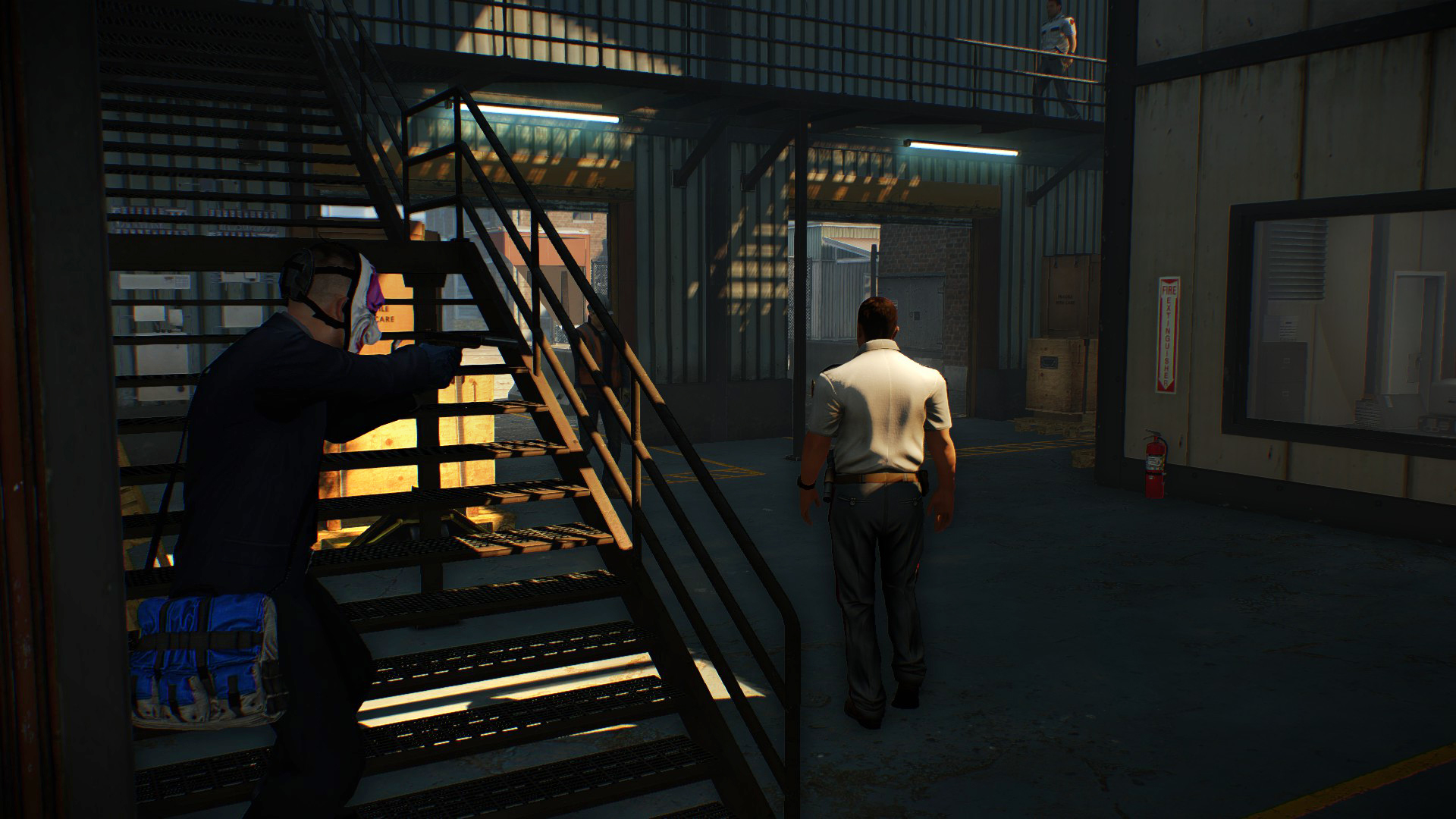
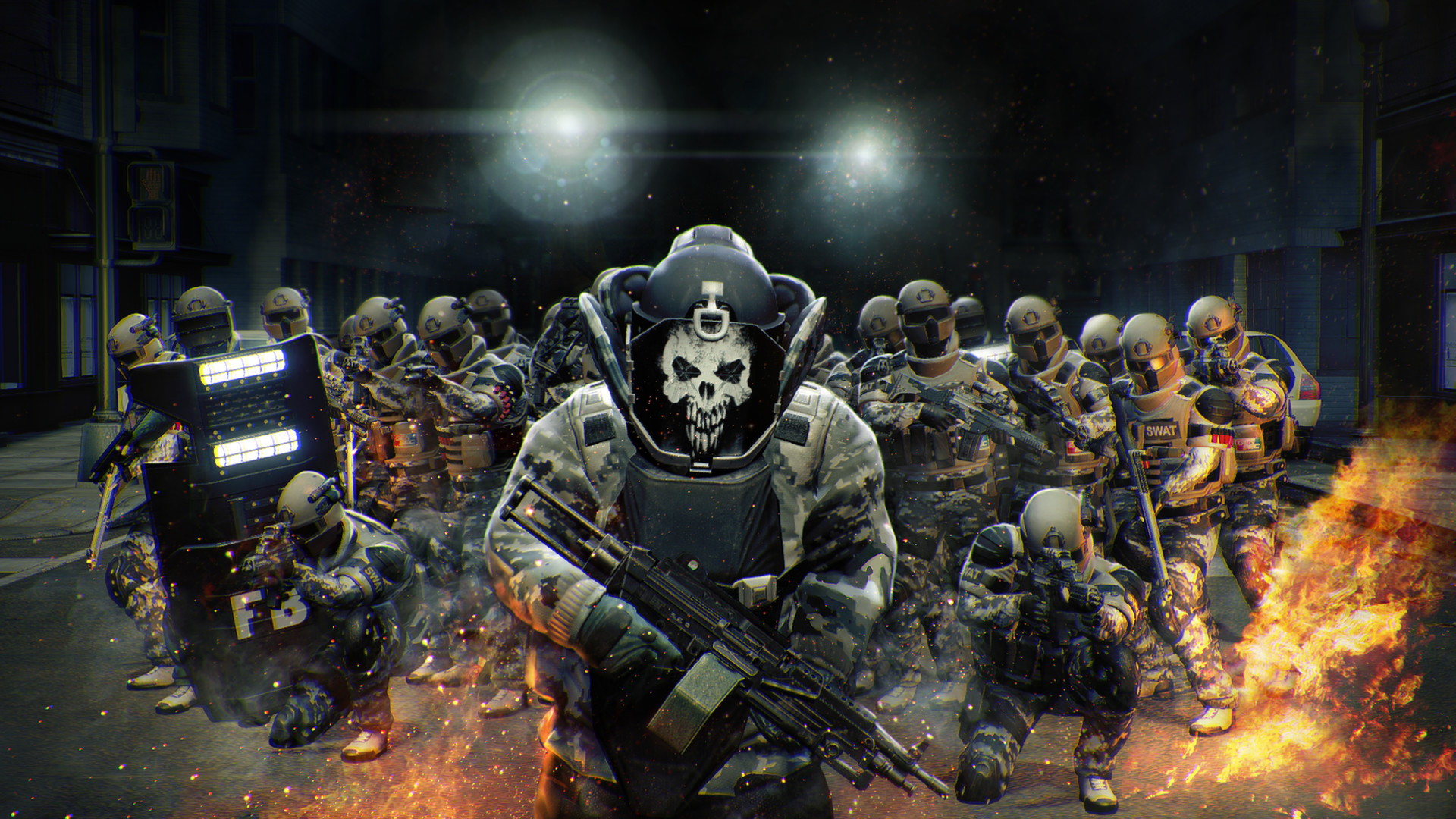
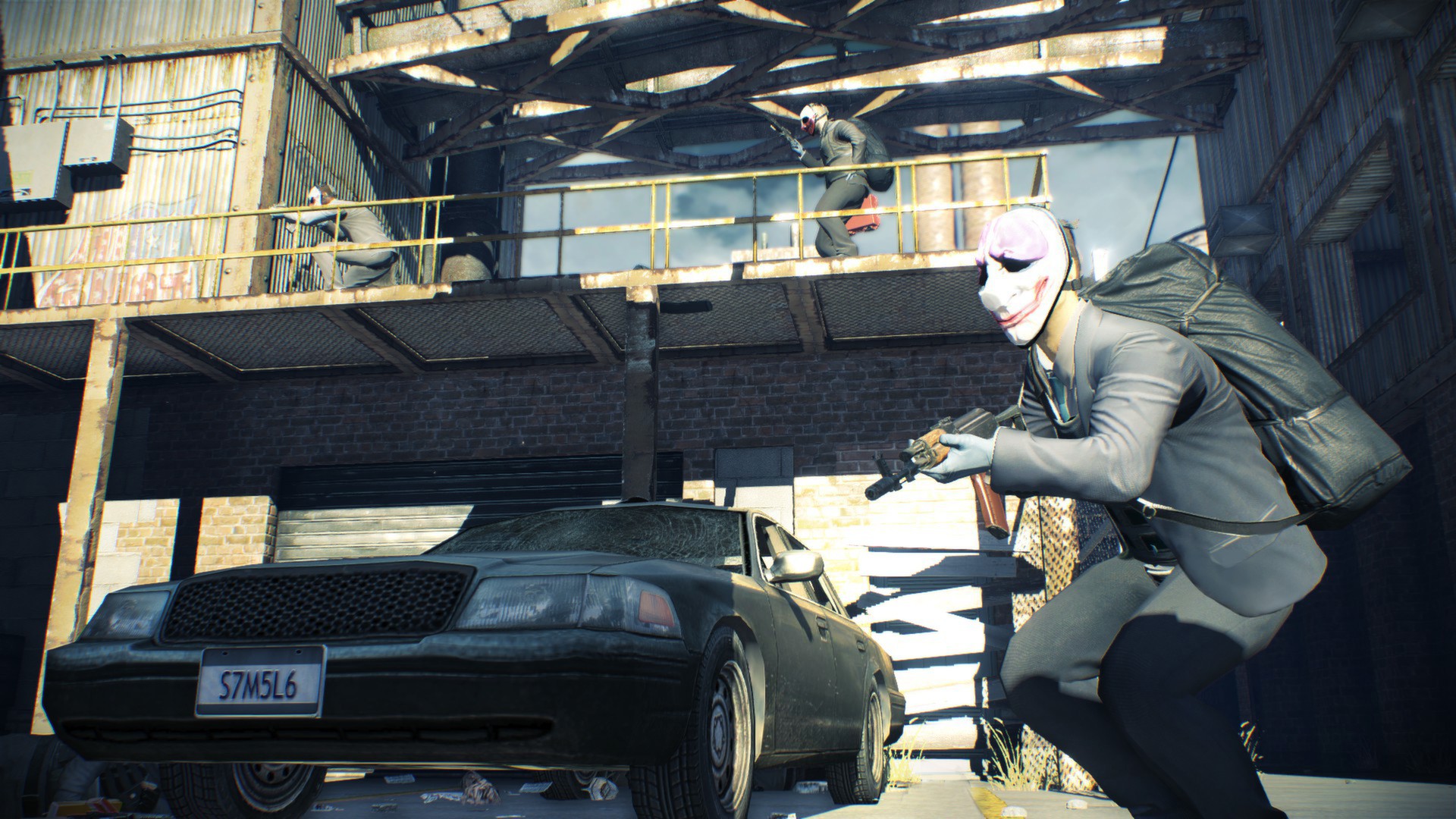
Payday 2 is the definitive cooperative heist FPS where 4 players plan and execute robberies ranging from bank vaults to art gallery heists. The game offers two distinct approaches to every heist. Stealth (ghost through security, avoid cameras, silently bag loot) and loud (fight waves of police while completing objectives). The perk deck and skill tree systems create specialized builds for each approach. With over 80 heists and hundreds of weapons, Payday 2 has more content than most entire franchises. The game's community remains strong with regular events and the endgame difficulty levels (Death Sentence One Down) providing challenges for even veteran players.
Starting Payday 2 can feel overwhelming. This guide tells you exactly what to focus on during your first hours so you don't waste time on things that don't matter yet. For the full progression path, see our walkthrough.
What Kind of Game Is This?
Payday 2 is a fps game built around stealth heists and loud combat.
What to expect: Time investment in learning mechanics, experimentation, and gradual mastery.
Choosing Your First Role
| Role | Beginner Rating | Why |
|---|---|---|
| Mastermind | Good (but demanding) | Stay alive and revive teammates from range with Inspire. Convert cops with Joker for bullet sponges. Be the team's lifeline. |
| Enforcer | Excellent for beginners | Wear the heaviest armor, use shotguns to trigger Overkill damage bonus, let Anarchist armor gating prevent health damage. |
| Technician | Excellent for beginners | Place sentries at chokepoints for autonomous defense, use C4 on objectives for speed, maintain equipment uptime. |
| Ghost | Good (but demanding) | Approach heists in stealth, answer pagers, use ECMs to disable electronics, bag bodies to avoid detection. |
| Fugitive | Excellent for beginners | Wear suit for maximum dodge, maintain low detection risk for Sneaky Bastard/Low Blow bonuses, play aggressively with high mobility. |
Our recommendation: Start with Enforcer. The tank tree with shotgun specialization and armor-based survivability. Overkill Aced gives a massive damage boost after shotgun kills. Resilience increases armor recovery speed. Combined with Anarchist perk deck, Enforcer becomes nearly unkillable.
Avoid Fugitive as your first pick. The dodge-based combat specialist using light armor and the Rogue perk deck for evasion. Once you're ready, check our classes guide for all options.
First Session Step-by-Step
Step 1: Learn stealth heists
Stealth requires avoiding detection by guards, cameras, and civilians. Detection meter fills based on concealment stat (inverse of visibility). Answering guard pagers (4 max per heist) after killing guards, ECM jammers blocking electronics, and body bag cases for hiding corpses. Successful stealth avoids combat entirely and provides bonus rewards.
This is the foundation. Spend your first 15-30 minutes getting comfortable with how stealth heists works before worrying about anything else. Our combat guide breaks this down further.
Step 2: Head to Bank Heist
The quintessential Payday heist. Rob a bank in stealth or loud. Stealth involves controlling civilians, answering pagers (4 max), opening the vault (drill or C4), and bagging money. Loud adds police waves. The best training heist.
See our maps guide for all locations.
Step 3: Get Your First Upgrade
Look for Car-4 Rifle: it's the most accessible early upgrade. The most customizable assault rifle with the best mod selection. Can be built for maximum concealment (stealth) or maximum damage (loud). The Car-4 is the default recommendation because it does everything well with the right mods.
Step 4: Understand loud combat
When stealth fails or isn't possible, police assault waves attack in escalating difficulty. Waves have lulls between assaults for objective completion. Heavy SWAT, Bulldozers, Cloakers, and Snipers each require specific counters. The team must balance fighting police with completing heist objectives.
Invest time here early.
Step 5: Push to Shadow Raid
A stealth-only heist infiltrating a Murkywater warehouse. No loud option. Detection fails the heist immediately. The most rewarding stealth heist with multiple high-value loot spawns. Requires Ghost skills and perfect execution.
Essential Mechanics Explained
stealth heists
Stealth requires avoiding detection by guards, cameras, and civilians. Detection meter fills based on concealment stat (inverse of visibility). Answering guard pagers (4 max per heist) after killing guards, ECM jammers blocking electronics, and body bag cases for hiding corpses. Successful stealth avoids combat entirely and provides bonus rewards.
loud combat
When stealth fails or isn't possible, police assault waves attack in escalating difficulty. Waves have lulls between assaults for objective completion. Heavy SWAT, Bulldozers, Cloakers, and Snipers each require specific counters. The team must balance fighting police with completing heist objectives.
perk deck system
13 perk decks provide passive abilities that define your survivability playstyle. Rogue gives dodge chance (evasion builds), Anarchist gives armor gating (health converts to armor), Stoic gives damage delay (take damage over time instead of instantly). Perk deck choice is the single most impactful build decision.
weapon modding
Every weapon can be modified with barrels, stocks, grips, sights, muzzle devices, and underbarrel attachments. Mods affect damage, accuracy, stability, concealment, and magazine size. For stealth, maximize concealment. For loud, maximize damage to reach breakpoints that one-shot specific enemy types.
skill tree builds
Five skill trees (Mastermind, Enforcer, Technician, Ghost, Fugitive) each have 3 sub-trees. 120 skill points at max level allow investing heavily in 2-3 sub-trees. Key aced skills define playstyle: Inspire Aced (revive teammates at range), Bullseye Aced (headshots restore armor), Swan Song (fight while downed).
Common Beginner Mistakes
1. Not having Inspire Aced in a loud build
Without it, reviving teammates requires standing over them for 5 seconds while exposed to gunfire. Inspire revives from range instantly.
2. Starting a stealth heist without checking team concealment
If any player has high detection risk, guards spot them from across the map, ruining stealth for everyone.
3. Using all 4 pager answers early in stealth
Once all 4 pagers are used, killing another guard means no one answers and the alarm sounds automatically. Plan guard kills carefully.
4. Ignoring Bulldozers until they're in your face
Bulldozers can be heard approaching by their heavy footsteps and radio chatter. Engaging at range with headshots is far safer than close quarters.
5. Cooking meth ingredients without reading the laptop in Cook Off
Wrong ingredients cause explosions. The order changes each cook cycle. Always check the laptop.
First 5 Hours Checklist
- Understand stealth heists and loud combat
- Choose Enforcer as starting role
- Clear Bank Heist main content
- Acquire Car-4 Rifle or equivalent upgrade
- Reach Shadow Raid
- Inspire Aced is the most important skill in the game for loud heists. Shouting at a downed teammate from 10 meters away to revive them saves runs constantly. Every loud build should have it.
- ECM rush (chaining ECM jammers to prevent alarms) trivializes many stealth heists. Two players with ECM Overdrive Aced provide 60 seconds of alarm suppression. Enough to complete simple heists.
Tips for New Players
- Inspire Aced is the most important skill in the game for loud heists. Shouting at a downed teammate from 10 meters away to revive them saves runs constantly. Every loud build should have it.
- ECM rush (chaining ECM jammers to prevent alarms) trivializes many stealth heists. Two players with ECM Overdrive Aced provide 60 seconds of alarm suppression. Enough to complete simple heists.
- Dodge builds (Sneaky Bastard + Low Blow + Rogue deck) need concealment at 3 or below. This requires specific low-concealment weapon builds. Check concealment before starting a heist.
- Joker (Mastermind skill) converts the last non-special enemy you shout at to fight for you. Converted cops absorb bullets that would hit you and deal decent damage. Always have 2 Jokers active.
- Cook Off ingredient instructions appear on the laptop. Read them carefully. Adding the wrong ingredient causes an explosion that downs nearby players. Hydrogen Chloride, Caustic Soda, and Muriatic Acid in order.
- Body bag cases (Ghost skill) are essential for stealth heists with more than 4 guards. You get 4 pagers total, so every guard kill needs a body bag to prevent other guards from spotting corpses.
- The ICTV (heaviest armor) paired with Anarchist perk deck creates the tankiest build. Anarchist converts health to armor regeneration, and the ICTV's high armor pool makes this regeneration massive.
- Cloakers (ninjas in dark suits) charge you and kick you down in one hit. Listen for their distinctive electronic humming sound and shoot them before they reach you.
- On Death Sentence difficulty, every build needs a plan for Bulldozers. Headshots with high-damage weapons, Thanatos sniper, or sustained fire to their faceplate are the main counter-strategies.
- Pre-planning (available on some heists) lets you spend favors for advantages like insider help, roof access, or getaway helicopters. Use all available favors. They're free advantages.
Frequently Asked Questions
Is Payday 2 still active?
Yes, with thousands of daily players and regular community events. The game received over 200 updates and DLC packs during its lifetime. The community is welcoming to new players.
Can I play Payday 2 solo?
Yes, with AI teammates. AI bots follow you, provide suppressive fire, and can trade hostages. They can't complete heist objectives (picking locks, moving bags) or stealth heists. Solo play works but co-op is the intended experience.
What difficulty should new players start on?
Normal or Hard difficulty. Bank Heist on Normal is the perfect starting point to learn mechanics. Move to Overkill once you're comfortable with the basics, and Mayhem/Death Sentence once your build is optimized.
Is Payday 3 better than Payday 2?
Payday 2 has significantly more content (80+ heists vs PD3's smaller roster) and a more developed meta. PD3 has updated graphics and mechanics but PD2's decade of content gives it more variety. Most community members recommend PD2 for new players.
Similar Games
If you enjoy Payday 2, check out these related guides:
- Counter-Strike 2 Beginner's Guide: fps game with similar mechanics
- Apex Legends Beginner's Guide: fps game with similar mechanics
- Rainbow Six Siege Beginner's Guide: fps game with similar mechanics