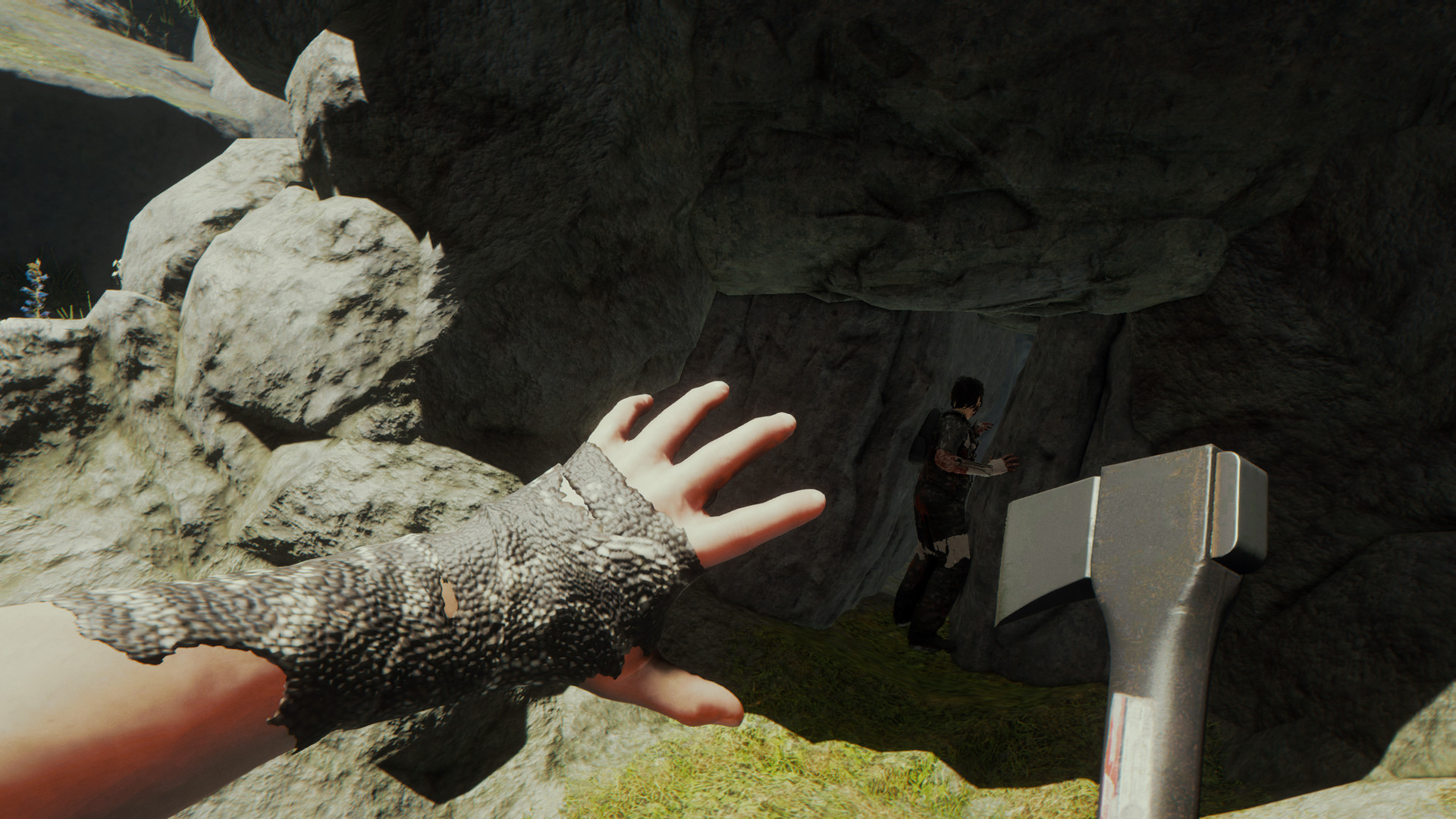
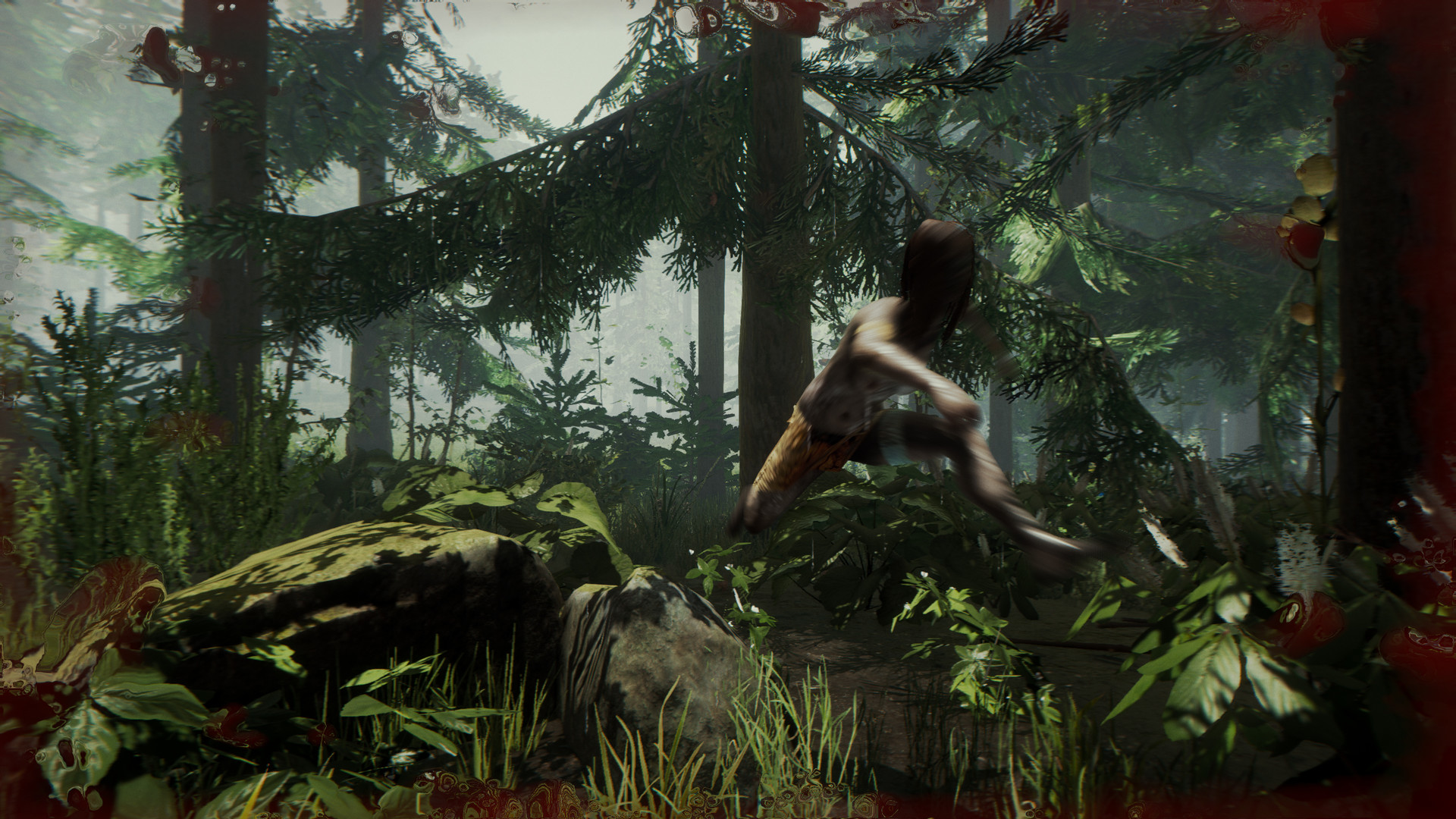
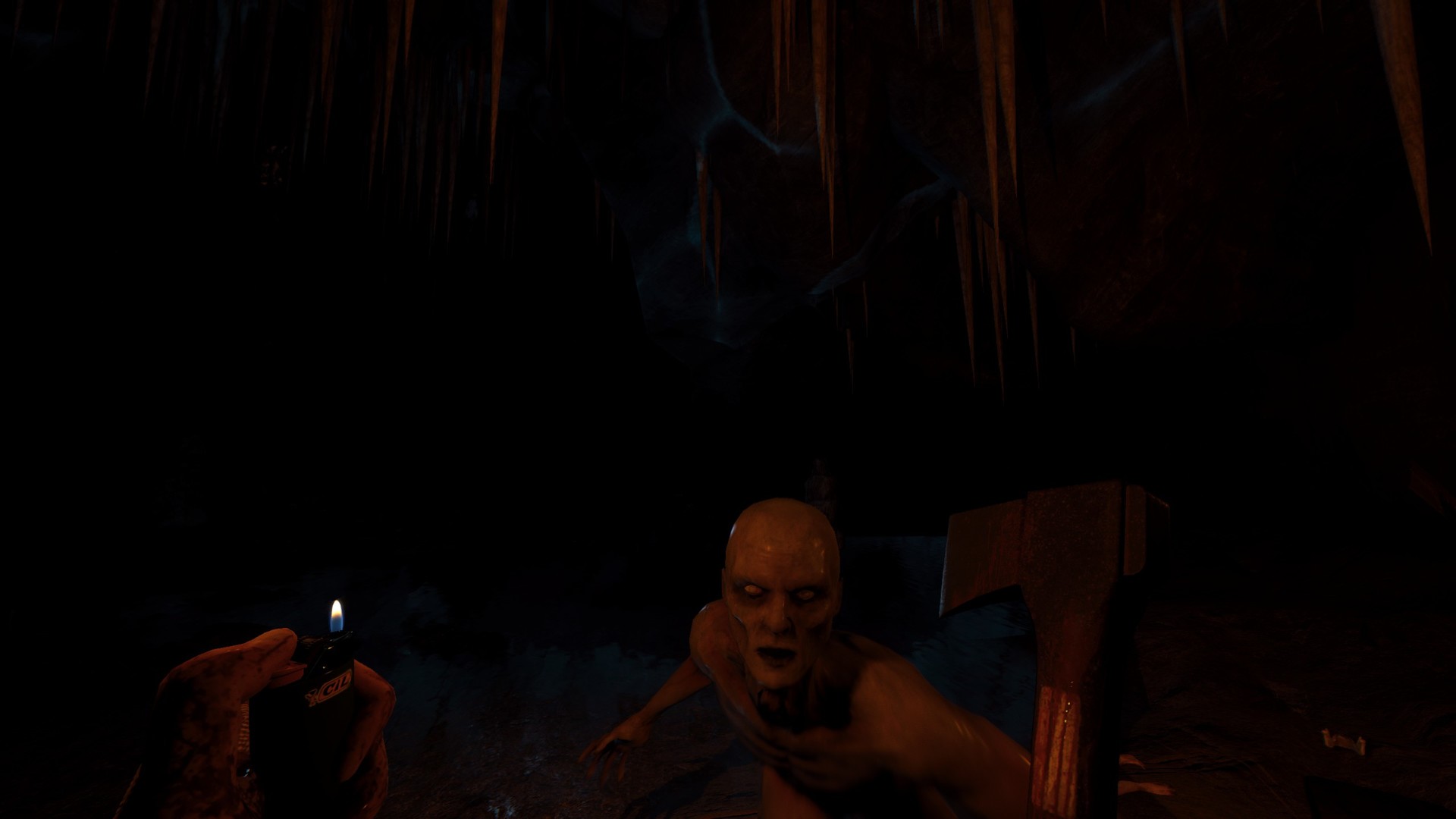
The Forest is an open-world survival horror game where you crash-land on a peninsula populated by cannibalistic mutants and must survive while searching for your kidnapped son. The game's AI system makes it genuinely terrifying. Cannibals observe you from the treeline, send scouts to test your defenses, and escalate their aggression based on your behavior. Building a fort, exploring cave systems for story progression, and managing the escalating cannibal threat creates a survival horror experience unlike anything else. The full story unfolds through cave exploration leading to an underground research facility. Co-op multiplayer (up to 8 players) makes the horror more manageable while adding hilarious building projects.
New to the game? Start with our beginner's guide first.
Quick Rankings
| Build | Tier | Playstyle | Core Gear |
|---|---|---|---|
| Builder | A | Chop trees, build walls and traps, create a fortress that handles cannibal raids with minimal player intervention. | Modern Axe (fastest tree chopping), Log Sled, Building Blueprints |
| Cave Explorer | S | Systematically clear each cave for key items, using the map to track progress. Bring excess flares and Molotovs for cave combat. | Flashlight, Rebreather, Climbing Axe, Katana, Map |
| Combat Fighter | A | Engage cannibal patrols aggressively, clear camps for resources, use bone armor (from cannibal corpses) for protection. | Katana, Modern Axe, Bone Armor, Molotov Cocktails |
| Stealth Player | B | Crouch-move through the forest, apply mud for camouflage, build in secluded locations, avoid cannibal detection. | Stealth Armor (lizard skin + leaves), Bow, camouflage |
| Co-op Team | S | Divide roles: builders gather logs and construct, explorers clear caves, fighters defend the perimeter and escort explorers. | Role-dependent gear distribution |
For detailed meta rankings, see our The Forest tier list.
A-Tier: Builder
Focuses on creating an elaborate base with walls, traps, and defensive structures. The Builder spends most time gathering logs and constructing. Defensive walls with happy birthday traps and deadfall traps create automated kill zones against cannibal raids.
Core Setup
| Slot | Choice | Why |
|---|---|---|
| Stat Priority | Log gathering speed, building efficiency, defensive placement | Optimal scaling |
| Key Mechanic | cannibals AI behavior | Cannibals operate on an AI behavior system that evolves based on your actions. |
How to Play Builder
Chop trees, build walls and traps, create a fortress that handles cannibal raids with minimal player intervention.
-
Highest overall performance
-
Clear stat priority (Log gathering speed, building efficiency, defensive placement) makes gearing straightforward
-
Works in all content types
-
Popular pick, resources may be contested
-
Needs specific gear to reach full potential
S-Tier: Cave Explorer
Prioritizes cave exploration for story items and the best weapons. Cave explorers need the rebreather, climbing axe, and flashlight to access all areas. The fastest path to game completion through systematic cave clearing.
Core Setup
| Slot | Choice | Why |
|---|---|---|
| Stat Priority | Cave route knowledge, combat skills, flare/light management | Optimal scaling |
| Key Mechanic | base building | Extensive building system using logs, sticks, rocks, and bones. |
How to Play Cave Explorer
Systematically clear each cave for key items, using the map to track progress. Bring excess flares and Molotovs for cave combat.
-
Most versatile option
-
Clear stat priority (Cave route knowledge, combat skills, flare/light management) makes gearing straightforward
-
Works in all content types
-
Lower peak damage than S-tier
-
Needs specific gear to reach full potential
A-Tier: Combat Fighter
Focuses on engaging cannibals directly rather than avoiding them. The Modern Axe and Katana are the primary weapons. Combat builds excel at clearing cannibal camps for bones and other resources. Escalates cannibal aggression faster.
Core Setup
| Slot | Choice | Why |
|---|---|---|
| Stat Priority | Combat damage, armor maintenance, Molotov crafting | Optimal scaling |
| Key Mechanic | cave exploration | An extensive underground cave system contains story items, the best weapons, and the path to the endgame facility. |
How to Play Combat Fighter
Engage cannibal patrols aggressively, clear camps for resources, use bone armor (from cannibal corpses) for protection.
-
Best survivability
-
Clear stat priority (Combat damage, armor maintenance, Molotov crafting) makes gearing straightforward
-
Works in all content types
-
Slower clear speeds
-
Needs specific gear to reach full potential
B-Tier: Stealth Player
Avoids cannibal contact entirely using stealth mechanics: crouching, mud camouflage, and building in hidden locations. Stealth play keeps cannibal aggression low, extending the peaceful early game. Less thrilling but much safer.
Core Setup
| Slot | Choice | Why |
|---|---|---|
| Stat Priority | Stealth movement, noise management, hidden base location | Optimal scaling |
| Key Mechanic | crafting system | Crafting combines items on a crafting mat (inventory screen). |
How to Play Stealth Player
Crouch-move through the forest, apply mud for camouflage, build in secluded locations, avoid cannibal detection.
-
Strong in group/team content
-
Clear stat priority (Stealth movement, noise management, hidden base location) makes gearing straightforward
-
Excels in its niche
-
Weaker solo performance
-
Requires deep game knowledge
S-Tier: Co-op Team
Multiplayer teams divide roles: dedicated builders, explorers, and fighters. Co-op reduces horror (safety in numbers) and accelerates progression through task division. The 8-player maximum allows large-scale building projects.
Core Setup
| Slot | Choice | Why |
|---|---|---|
| Stat Priority | Role specialization, communication | Optimal scaling |
| Key Mechanic | story progression | The story progresses exclusively through cave exploration, finding key items and documents. |
How to Play Co-op Team
Divide roles: builders gather logs and construct, explorers clear caves, fighters defend the perimeter and escort explorers.
-
Unique, rewarding playstyle
-
Clear stat priority (Role specialization, communication) makes gearing straightforward
-
Excels in its niche
-
High skill floor, punishing when misplayed
-
Requires deep game knowledge
Build Progression Path
- Start with Cave Explorer: the most forgiving option for learning the game
- Transition to Builder once you understand core mechanics and have access to Modern Axe
- Keep a Combat Fighter setup for content that keeps killing you
- Try Co-op Team for a fresh experience once you've mastered the basics
Follow our walkthrough for the optimal progression path through each area.
Gearing Tips
- Invest in your primary equipment first, since it gives the biggest power spike. See our weapons guide for rankings.
- Build your first base near water for drinking access and near the coast for escape routes. The Fertile Lands in the southeast is the safest starting location.
- The drying rack preserves meat indefinitely. Build one immediately and dry all meat from hunting. Dried meat doesn't spoil and provides decent nutrition.
- Don't spread upgrade resources across multiple builds until endgame
Similar Games
If you enjoy The Forest, check out these related guides:
- Palworld Builds: survival game with similar mechanics
- Rust Builds: survival game with similar mechanics
- ARK: Survival Evolved Builds: survival game with similar mechanics