Timberborn is a city-builder where you lead a colony of beavers surviving in a post-human world ravaged by ecological collapse. The core challenge is water management. Rivers periodically dry up during droughts, and your colony must store enough water and food to survive. Unique to Timberborn is vertical building, where structures stack on top of each other like beaver lodges. Two playable factions (Folktails and Iron Teeth) offer different playstyles, and the district system lets you manage sprawling settlements across the map.
This guide covers everything you need: core mechanics, the best builds, equipment worth investing in, location progression, and the tips that actually make a difference.
Core Mechanics
water management
Water flows physically through the map following terrain height. Rivers dry up during droughts (lasting 2-15 days depending on difficulty), so you must build dams and reservoirs to store water. Water Pumps extract water from reservoirs for drinking and irrigation. Floodgates control water flow, letting you fill reservoirs during wet seasons and ration during droughts. Mismanaging water is the primary colony killer.
beaver factions
Folktails are the nature-friendly faction with rooftop gardens, beehives, and natural power sources (waterwheels). Iron Teeth are the industrial faction with dynamite for terraforming, industrial buildings, and higher population density. Each faction has unique buildings and strategies. Folktails are more forgiving for beginners, while Iron Teeth offer more aggressive expansion options.
drought cycles
Droughts stop all river flow for a set number of days. During drought, crops without irrigation wither, water pumps need reservoirs to draw from, and beavers can die of thirst. Drought duration and frequency increase on higher difficulties. The entire game revolves around preparing for the next drought during temperate seasons.
vertical building
Beavers can stack buildings on platforms, creating multi-story structures. This multiplies usable space on small maps. Housing stacked 3-4 layers high frees ground space for farms and industry. Staircases and paths connect levels, and beavers navigate vertically like they would horizontally. Vertical farming using stacked garden platforms is a key advanced technique.
district system
Large colonies are divided into districts, each with its own population, resources, and production chains. Districts are connected by roads but operate semi-independently. This prevents overcrowding and lets you specialize areas. One district for farming, another for industry, a third for housing. Distributing population across districts also spreads drought risk.
For a deeper dive into how these systems interact, see our Timberborn combat guide.
Builds Overview
| Build | Tier | Playstyle | Key Stats |
|---|---|---|---|
| Folktails | A | Build near rivers, use waterwheels for power, maintain diverse food sources with beehives and gardens. | Water storage, food variety, natural power generation |
| Iron Teeth | S | Reshape terrain with dynamite, build industrial powerhouses, support high population density. | Industry output, dynamite supply, engine fuel |
| Water Engineer | S | Plan water infrastructure first, build dams and reservoirs before expanding population. | Water storage capacity above all else |
| Farmer | A | Plant diverse crops within irrigation range, cook food for nutrition bonuses, stockpile for droughts. | Crop diversity, irrigation coverage, food storage |
| Forester | A | Maintain tree farms upstream, ensure continuous wood supply, balance cutting with planting. | Sustainable tree planting, harvesting efficiency |
Folktails (A-Tier): The nature faction has beehives (food), waterwheels (power), and rooftop gardens. Their eco-friendly buildings are cheaper but less productive. Best for beginners due to forgiving food production and lower complexity. The Folktail Waterwheel provides reliable early-game power near rivers.
Iron Teeth (S-Tier): The industrial faction has dynamite (terraforming), engines (power without water flow), and higher-density buildings. Iron Teeth can reshape the landscape to redirect rivers and create custom reservoirs. More powerful late-game but requires better planning to avoid early drought deaths.
Water Engineer (S-Tier): Regardless of faction, mastering water engineering determines survival. Dam placement, reservoir sizing, and floodgate timing are the most important skills. A Water Engineer player uses levees and dams to create artificial lakes that outlast even the longest droughts.
Farmer (A-Tier): Food production specialists focus on diverse crop rotation and irrigation systems. Different crops provide different nutrients. Beavers need food variety for wellbeing. Farms near irrigation towers survive droughts better than rainfed plots. Farmers use the Farmhouse assignment to prioritize crop tending.
Forester (A-Tier): Wood is the primary building material and fuel source. Foresters plant and harvest trees in managed forests, ensuring sustainable wood supply. Planting trees upstream also helps with water retention. The Forester building automates tree planting in designated areas.
For full build breakdowns with gear and stat priorities, see our Timberborn builds guide. For rankings, check the tier list.
Equipment Guide
| Equipment | Why It Matters | Best For |
|---|---|---|
| Floodgate | A controllable water barrier that can be raised or lowered to control river flow. | Water Engineer. Core water management tool |
| Dam | A permanent barrier that blocks water flow, creating reservoirs behind it. | Water Engineer. Creates permanent water storage |
| Water Pump | Extracts water from adjacent water tiles for beaver drinking and irrigation. | All builds. The only way to provide drinking water to the colony |
| Dynamite | Iron Teeth exclusive. | Iron Teeth faction for creating custom river paths and giant reservoirs |
| Levee | A raised wall that holds back water like a dam but can be built at custom heights. | Water Engineer for creating artificial elevated reservoirs on flat maps |
Floodgate: A controllable water barrier that can be raised or lowered to control river flow. Place floodgates at reservoir inlets to fill during wet seasons and close during droughts to retain water. Multiple floodgate heights (1m, 2m, 3m) let you precisely control water levels. The most important building in the game.
Dam: A permanent barrier that blocks water flow, creating reservoirs behind it. Dams don't open or close. They permanently redirect water. Use dams to create large backup reservoirs in natural valleys or depressions. Combine with floodgates for controlled filling and drainage.
Water Pump: Extracts water from adjacent water tiles for beaver drinking and irrigation. Pumps only work when water is present. During droughts, they need reservoirs to draw from. Place pumps along your reservoir edges with water storage buildings nearby for distribution.
Dynamite: Iron Teeth exclusive. Destroys terrain blocks, allowing you to dig channels, create reservoirs, and redirect rivers. Each charge destroys one terrain block and requires Explosive material crafted at a factory. Dynamite terraforming is the most powerful strategy in the game, letting you literally reshape the map.
Levee: A raised wall that holds back water like a dam but can be built at custom heights. Levees let you create elevated reservoirs on flat terrain where natural valleys don't exist. Stack them to build water towers that gravity-feed irrigation systems downhill.
Full breakdowns in our Timberborn weapons guide.
Location Progression
| Location | Level Range | Key Rewards |
|---|---|---|
| Plains Map | Beginner | Large building area, straightforward river access, good for first colonies |
| Canyon Map | Intermediate | Natural dam locations, easy water storage, forces vertical building skills |
| Terraces Map | Intermediate-Advanced | Natural terrace farming, cascading water systems, multi-level base building |
| Meander Map | Intermediate | Fertile flood plains, natural ox-bow reservoirs, large agricultural area |
| Thousand Islands | Advanced | District management challenge, bridge building, resource logistics between islands |
Plains Map: A flat map with a single river running through the center. The open terrain provides plenty of building space but limited natural reservoir locations. You'll need to build artificial levee-walled reservoirs since there are no valleys to dam. Good for learning basic water management.
Canyon Map: A map with deep river canyons that create natural reservoir locations. Dam the canyon mouths to store massive amounts of water with minimal building materials. Limited flat building space forces vertical construction. One of the easiest maps for surviving droughts.
Terraces Map: Multi-level terrain with water flowing down stepped plateaus. Each terrace level can serve as a farming area with cascading irrigation. Complex water routing between levels is the main challenge. The vertical terrain naturally encourages Timberborn's stacked building system.
Meander Map: A winding river with wide flood plains. The meandering river creates natural ox-bow lake formation opportunities. Flood plains are fertile but flood during heavy rain, so build housing on elevated ground. This map teaches floodplain management and seasonal flooding.
Thousand Islands: A fragmented map with many small islands separated by water channels. Each island has limited space, requiring district management and inter-island logistics. The most challenging map due to fragmented resources and building space. Bridges and paths between islands are essential.
See our maps & locations guide for detailed area breakdowns and our walkthrough for the optimal progression path.
Tips That Actually Matter
- Build water storage before the first drought arrives. Check your difficulty settings for drought timing. On Normal, the first drought hits around day 6-8, so have a dam and reservoir operational by day 5.
- Vertical building multiplies your usable space. Stack housing 3 levels high to free ground space for farms and industry. Beavers navigate stairs as efficiently as flat paths.
- Beavers need connected paths to reach workplaces. Every building needs a path leading to it from living quarters. Use the path tool to connect all districts. Disconnected buildings are useless.
- Plant trees upstream of your colony for long-term wood supply and water retention. Trees slow water flow, keeping more water available during the early drought phase.
- Districts let you control population distribution. Don't cram all beavers into one area. Create specialized districts (farming, industry, housing) connected by paths for efficient resource flow.
- Irrigation Towers water a 4-tile radius around them, keeping crops alive during drought. Every farm should be within irrigation range. Stack multiple Irrigation Towers for full coverage.
- Food variety matters. Beavers eating only one food type have lower wellbeing, reducing work speed. Grow at least 3 different crops (carrots, potatoes, wheat) plus berries or honey.
- Floodgates should be manually controlled: open them during temperate season to fill reservoirs, close them when drought begins. Automated water systems save micromanagement.
- Power sources depend on faction: Folktails use Waterwheels (free but need river flow), Iron Teeth use Engines (work during drought but need fuel). Plan your power grid around drought cycles.
- Save frequently during droughts. A colony can die in 2-3 days without water if your reservoir runs dry. Keep emergency water storage for at least 3 extra days beyond expected drought length.
Common Mistakes to Avoid
- Not building enough water storage. The number one colony killer is running out of water during drought. Always store more water than you think you need, especially on harder difficulties.
- Building population too fast. Every beaver needs food, water, housing, and work. Growing too quickly means your infrastructure can't support everyone during the drought, causing mass death.
- Placing dams incorrectly. Dams need to span the entire river width with no gaps, or water flows around them. Check for leaks by watching water flow after placement.
- Ignoring food variety. Beavers eating only carrots have low wellbeing and work slowly. The wellbeing penalty from monotonous diet compounds with other morale issues.
- Forgetting to plant trees. Wood is consumed constantly for building and fuel. Without active reforestation, you'll run out of wood mid-game and stall all construction.
Frequently Asked Questions
Which faction should I pick in Timberborn?
Start with Folktails. They have simpler mechanics and more forgiving food production (beehives, waterwheels). Iron Teeth are more powerful but require better planning, especially around engine fuel management. Switch to Iron Teeth once you understand water management fundamentals.
How do I survive droughts in Timberborn?
Build dams and levees to create water reservoirs during temperate seasons. Store enough water for the longest expected drought plus 3 extra days as buffer. Place Water Pumps along reservoir edges and Irrigation Towers near farms. Close floodgates when drought begins to prevent reservoir drainage.
How does vertical building work?
Place platforms on top of existing buildings or terrain, then build structures on those platforms. Connect levels with stairs. Beavers treat vertical movement like horizontal movement, so stacking housing 3-4 levels high is efficient. Each level needs path connections to the rest of your colony.
What is the district system?
Districts are semi-independent population zones with their own beavers, resources, and production. Create new districts by placing a District Center and connecting it via paths. Districts prevent overcrowding and let you specialize areas. Farming districts, industrial districts, etc. Each district manages its own workforce and storage.
More Timberborn Guides
- Timberborn Best Builds
- Timberborn Tier List
- Timberborn Walkthrough
- Timberborn Beginner's Guide
- Timberborn Tips & Tricks
- Timberborn Weapons Guide
- Timberborn Combat Guide
- Timberborn Boss Guide
- Timberborn Maps & Locations
- Timberborn Crafting Guide
- Timberborn Classes & Characters
Similar Games
If you enjoy Timberborn, check out these related guides:
- Cities: Skylines Guide: city-builder game with similar mechanics
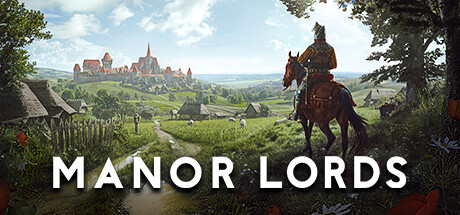
- Manor Lords Guide: city-builder game with similar mechanics
- Frostpunk Guide: city-builder game with similar mechanics