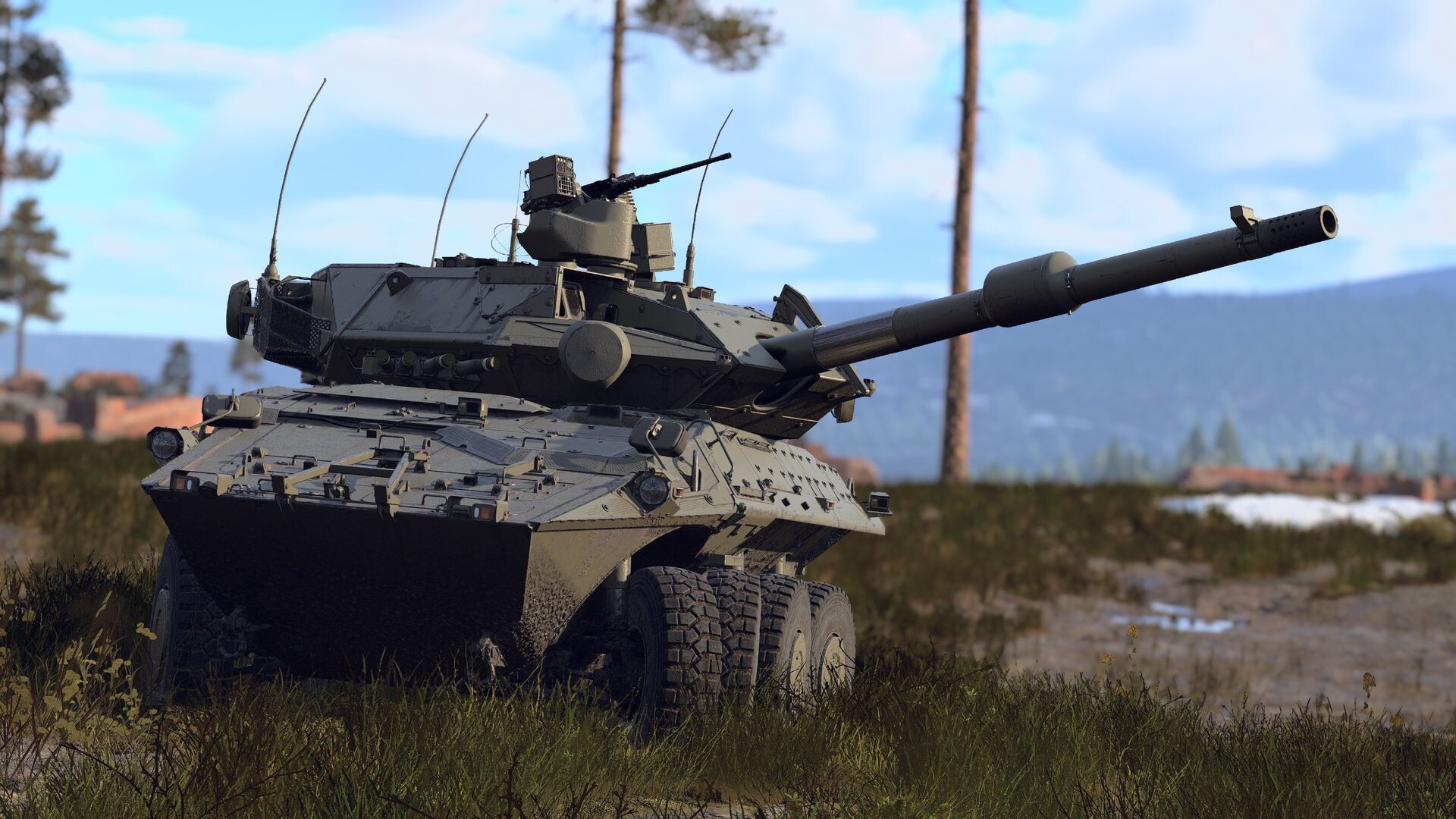

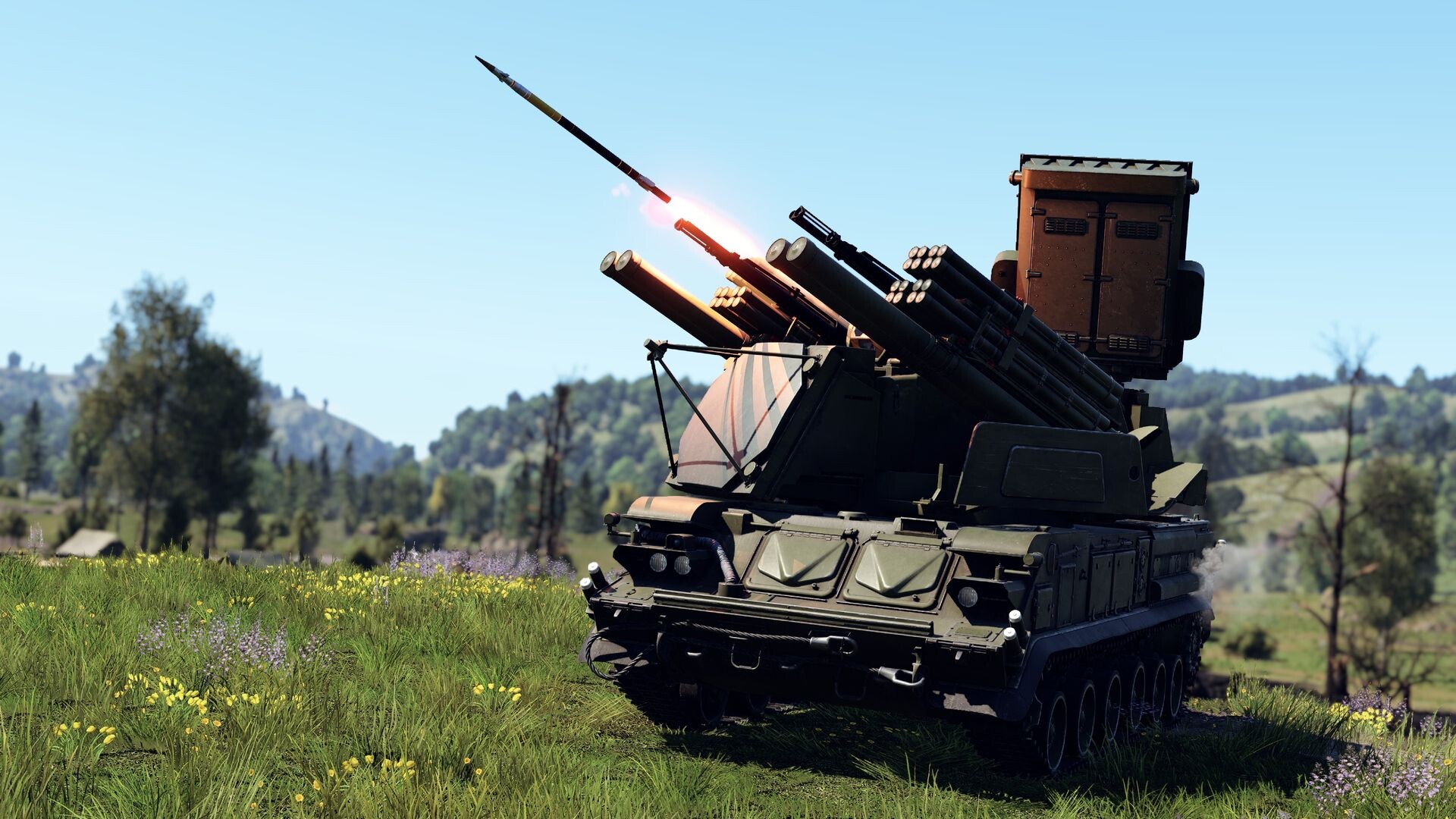
War Thunder is Gaijin Entertainment's free-to-play vehicular combat game simulating air, ground, and naval warfare from WWII through modern era. With over 2,500 vehicles across 10 nations, the sheer breadth of content is staggering. The game spans three combat modes (Arcade, Realistic, Simulator) each offering fundamentally different experiences from casual to full simulation. The tech tree grind is notoriously long but each vehicle researched feels like a genuine achievement. War Thunder's damage model is the most detailed in gaming. Individual crew members, modules, and ammunition are modeled and can be damaged independently. The combined arms mode where tanks, planes, and helicopters fight simultaneously is unique in the genre.
This guide covers everything you need: core mechanics, the best builds, equipment worth investing in, location progression, and the tips that actually make a difference.
Core Mechanics
battle rating matchmaking
Each vehicle has a Battle Rating (BR) determining its matchmaking bracket. You face vehicles within 1.0 BR of your highest-BR vehicle in your lineup. A BR 5.7 lineup fights 4.7-6.7. Mixing high-BR and low-BR vehicles means your low-BR vehicles face opponents they can't compete with. Build lineups with consistent BRs.
tech tree progression
Each nation has separate air, ground, and naval tech trees with vehicles unlocked sequentially. Researching a vehicle requires earning Research Points (RP) by playing vehicles of the same nation. Premium vehicles and premium account time accelerate research. The grind from WWII to modern vehicles takes hundreds of hours per tree.
crew skills
Each vehicle slot has a crew with skills (reload speed, repair speed, g-tolerance for pilots, vitality). Crew skills improve through crew points earned by playing. Maxing crew skills takes longer than researching vehicles. Key skills: Repair Speed and Reload Speed for tanks, G-Tolerance and Stamina for planes.
vehicle modification
Each vehicle has modification upgrades (engine, ammunition types, armor, weapons) unlocked through playing that specific vehicle. Stock vehicles perform significantly worse than fully modified ones. Prioritize ammunition types (APHE, HEAT, APFSDS) and engine modifications for the biggest performance improvements.
combined arms battles
Ground Realistic Battles feature tanks, planes, and helicopters simultaneously. Earning enough spawn points in a tank lets you spawn a plane for close air support or air superiority. The interaction between ground and air creates emergent gameplay not found in any other game.
For a deeper dive into how these systems interact, see our War Thunder combat guide.
Builds Overview
| Build | Tier | Playstyle | Key Stats |
|---|---|---|---|
| Fighter Pilot | S | Climb to altitude at match start, dive on enemies below you with energy advantage, extend and re-climb after attacks. | G-Tolerance, Stamina, Keen Vision |
| Bomber Pilot | C | Climb to safe altitude, drop bombs on bases or ground targets, use defensive turrets against intercepting fighters. | Defensive gunner accuracy, bomb drop precision |
| Tank Commander | S | Use terrain for hull-down positions, aim for enemy weak points with proper ammunition, angle armor against incoming fire. | Reload Speed, Repair Speed, Targeting skill |
| Naval Captain | B | Engage at medium range, use HE ammunition against crew compartments, manage fire and flooding damage control. | Range estimation, target leading, crew replenishment |
| Helicopter Pilot | A | Spawn helicopters after earning spawn points in a tank, use terrain to mask your approach, fire ATGMs from maximum range. | ATGM accuracy, terrain masking, SPAA awareness |
Fighter Pilot (S-Tier): Air superiority fighters are the most impactful aircraft role. Shooting down enemy bombers and attackers protects your team's ground forces. Energy fighting (maintaining speed advantage through altitude) wins dogfights. Nations like Germany (BF-109) and USA (P-51) excel at fighters.
Bomber Pilot (C-Tier): Bombers deliver heavy ordnance to destroy bases and ground targets. Strategic bombers (B-17, Lancaster) are slow and vulnerable to fighters. In Ground RB, light bombers with precision bombs are more useful. Bombing requires altitude and accuracy.
Tank Commander (S-Tier): Ground forces are the backbone of combined arms battles. Understanding armor angling, weak points, and ammunition types determines success. Each nation has distinct tank philosophies. German precision, Soviet armor, American gun depression.
Naval Captain (B-Tier): Naval battles feature destroyers, cruisers, and battleships in combined naval engagements. Naval gameplay is slower-paced with long-range gunnery. Aiming requires leading targets significantly at range. Less popular than air and ground but has a dedicated player base.
Helicopter Pilot (A-Tier): Helicopters in Ground RB provide guided missile attacks against tanks. ATGM helicopters (like the AH-64 Apache) can devastate ground forces from standoff range. Vulnerable to SPAA (self-propelled anti-aircraft) and fighter aircraft. High reward, high risk.
For full build breakdowns with gear and stat priorities, see our War Thunder builds guide. For rankings, check the tier list.
Equipment Guide
| Equipment | Why It Matters | Best For |
|---|---|---|
| T-34-85 | The iconic Soviet medium tank at BR 5. | Tank Commander (USSR) |
| P-51D Mustang | American fighter at BR 4. | Fighter Pilot (USA) |
| Tiger H1 | German heavy tank at BR 5. | Tank Commander (Germany) |
| Leopard 2A6 | Modern German MBT at top BR with one of the best guns in the game. | Tank Commander (Germany, top tier) |
| F-16A | American jet fighter at top BR with AIM-9L all-aspect missiles and excellent maneuverability. | Fighter Pilot (USA, top tier) |
T-34-85: The iconic Soviet medium tank at BR 5.7 with good armor, mobility, and the excellent 85mm gun firing APHE (Armor Piercing High Explosive). APHE rounds that penetrate cause a shrapnel cone inside the tank, often one-shotting. The T-34-85 is many players' first great tank.
P-51D Mustang: American fighter at BR 4.7 with excellent high-altitude performance and .50 caliber machine guns. The Mustang excels at energy fighting. Diving from altitude with a speed advantage. The M2 Brownings have high ammunition count for sustained engagements.
Tiger H1: German heavy tank at BR 5.3 with the legendary 88mm gun. The 88mm KwK 36 offers excellent penetration and accuracy. The Tiger's flat armor must be angled at 30-45 degrees to maximize effective thickness. One of the most satisfying tanks to play when angled correctly.
Leopard 2A6: Modern German MBT at top BR with one of the best guns in the game. The L/55 120mm firing DM53 APFSDS with 630mm penetration. The Leopard 2A6 combines excellent mobility, a world-class gun, and acceptable armor. The premier top-tier tank.
F-16A: American jet fighter at top BR with AIM-9L all-aspect missiles and excellent maneuverability. The F-16 dominates in dogfights with its superior sustained turn rate. Carries a mix of guided missiles and bombs for multi-role capability.
Full breakdowns in our War Thunder weapons guide.
Location Progression
| Location | Level Range | Key Rewards |
|---|---|---|
| Eastern Europe | All BRs | Varied engagement ranges, balanced gameplay |
| Normandy | Low-mid BR | Historical atmosphere, ambush gameplay, WWII immersion |
| Sinai Desert | All BRs | Long-range engagements, hull-down gameplay, sniper positions |
| Berlin | Mid-high BR | Urban combat, flanking opportunities, CQB experience |
| Kursk | Mid-high BR | Long-range gunnery practice, open field tactics |
Eastern Europe: A ground battle map featuring open fields and a town with close-quarters fighting. The map rewards both long-range sniping and urban brawling depending on which area you contest. The town center is the most contested area.
Normandy: A WWII-themed ground map with bocage hedgerows, villages, and beaches. The hedgerow terrain creates ambush opportunities and limits long-range sniping. Historically appropriate for mid-war BR vehicles.
Sinai Desert: An open desert map with long sightlines and scattered rocky outcroppings for cover. Favors vehicles with good gun depression and accuracy for hull-down long-range engagements. One of the most popular maps.
Berlin: An urban ground map with destroyed buildings and rubble creating close-quarters combat zones. Side shots and flanking through buildings define the gameplay. Heavy tanks and vehicles with strong frontal armor excel.
Kursk: A massive open field map based on the historical Battle of Kursk. Nearly flat terrain with minimal cover creates long-range tank duels. Vehicles with accurate long-range guns dominate. One of the most open maps in the game.
See our maps & locations guide for detailed area breakdowns and our walkthrough for the optimal progression path.
Tips That Actually Matter
- Stick to one nation's ground or air tree until you reach your desired BR range. Splitting research across multiple nations spreads your progress too thin and leaves you with weak lineups.
- Side climbing (flying to the side of the map while gaining altitude) wins air battles. Fighters that arrive at combat altitude with energy advantage dictate every engagement.
- Angling armor at 30-45 degrees to incoming fire increases effective armor thickness by 15-40%. The Tiger I's flat 100mm front armor becomes 115-140mm effective when properly angled.
- Crew skills are invisible power. A maxed reload crew reloads 30% faster than a stock crew. Prioritize Reload Speed and Repair Speed for ground vehicles.
- Premium time during events and sales is the best value for accelerating research. Wait for 50% off sales (usually anniversary events in October/November) to buy premium time.
- APHE ammunition is the most lethal shell type. It penetrates then explodes inside the tank, spraying shrapnel. If your tank has APHE, use it as your default round.
- In Ground RB, bring a plane in your lineup even if you primarily play tanks. Earning enough spawn points to spawn a fighter gives you enormous impact on the match outcome.
- Learn enemy vehicle weak points. Every tank has spots where armor is thin. The T-34's turret ring, the Tiger's flat lower front plate, the Sherman's hull machine gun port.
- Don't rush to top tier. The grind becomes exponentially longer and top-tier gameplay has more frustrations (guided missiles, thermals). Many players find the most fun at BRs 3.7-6.7.
- Use the armor analysis tool in the hangar to study your vehicle's protection and identify weak spots on enemy vehicles you commonly face.
Common Mistakes to Avoid
- Bringing a single vehicle in your lineup. When it's destroyed, you leave the match and waste potential impact. Bring 3-5 vehicles of similar BR for a full match.
- Rushing forward at match start. Aggressive players die within the first minute to enemies who reached good positions first. Advance carefully and use terrain cover.
- Ignoring sound cues. Engine sounds, track sounds, and gun reports reveal enemy positions. Play with headphones and listen for nearby vehicles before peeking.
- Shooting the front of a heavy tank with standard ammunition. Learn weak points. Shoot the turret cheeks, lower front plate, or flank for side shots where armor is thinnest.
- Grinding with a vehicle you hate just because it leads to one you want. The grind is long. Play vehicles you enjoy at BRs you find fun, and progress will come naturally.
Frequently Asked Questions
Is War Thunder pay to win?
Controversial. Premium vehicles and premium time accelerate grinding but don't provide direct combat advantages. Skill matters more than vehicle tier. However, the grind without premium is extremely long, which feels pay-to-progress.
What nation should I start with in War Thunder?
USSR or Germany for ground forces (forgiving armor, good guns). USA or Germany for air (versatile fighters). USSR has the best beginner ground experience with forgiving APHE ammunition and good armor profiles.
How long does it take to reach top tier in War Thunder?
Without premium: 500-1000+ hours per nation's tree. With premium time and vehicles: 200-400 hours. The grind is notoriously long and is War Thunder's most criticized aspect.
Is War Thunder realistic?
In Realistic and Simulator modes, very much so. Damage models simulate individual crew members, modules, and ammunition. Ballistics account for shell velocity, gravity, and penetration angles. Arcade mode simplifies physics for accessibility.
Similar Games
If you enjoy War Thunder, check out these related guides:
- Stardew Valley Guide: simulation game with similar mechanics
- Satisfactory Guide: simulation game with similar mechanics
- The Sims 4 Guide: simulation game with similar mechanics