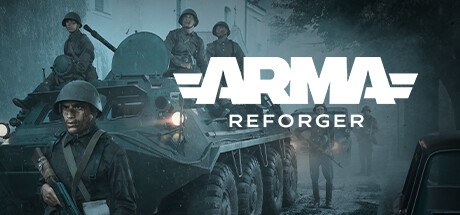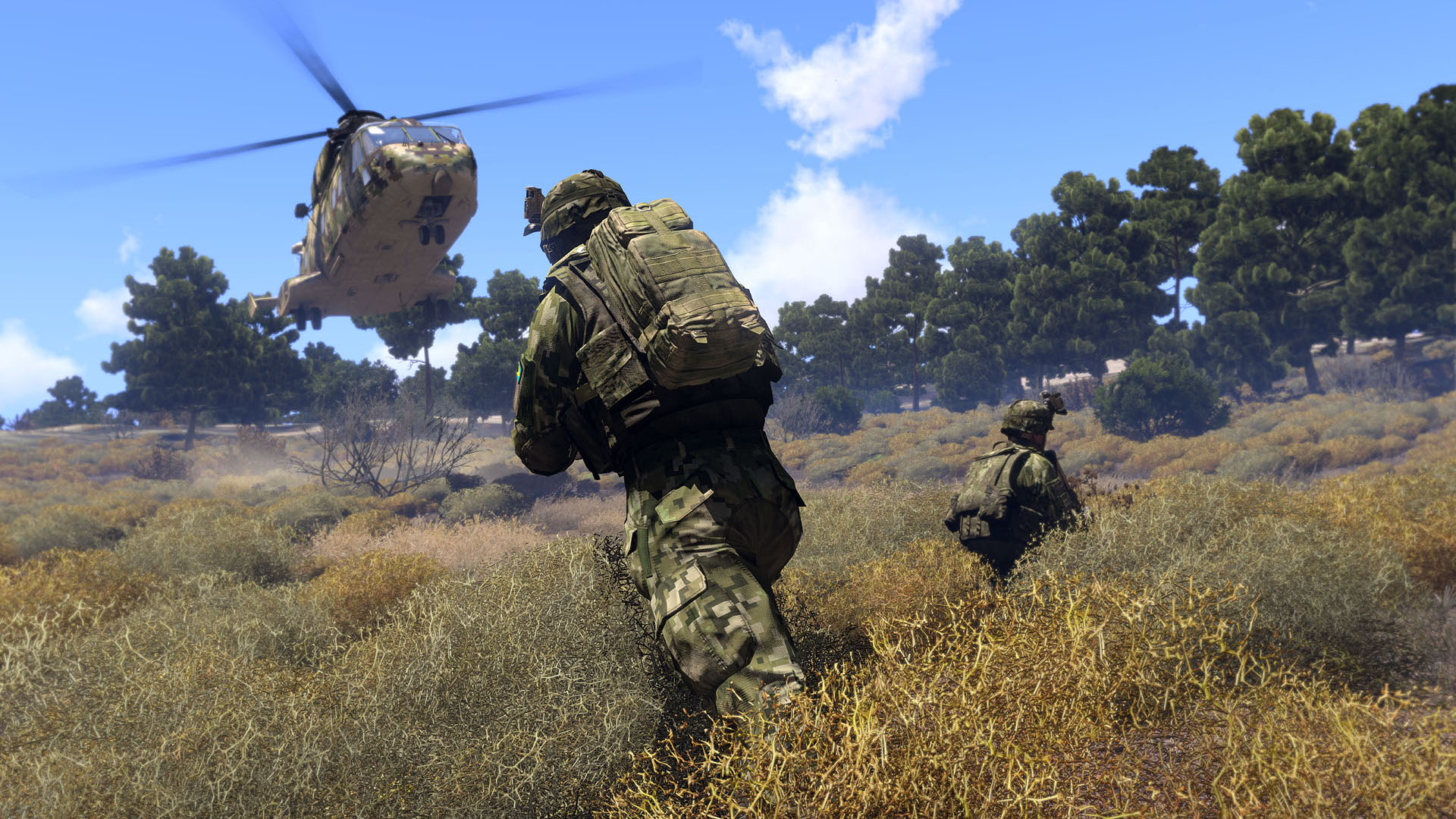
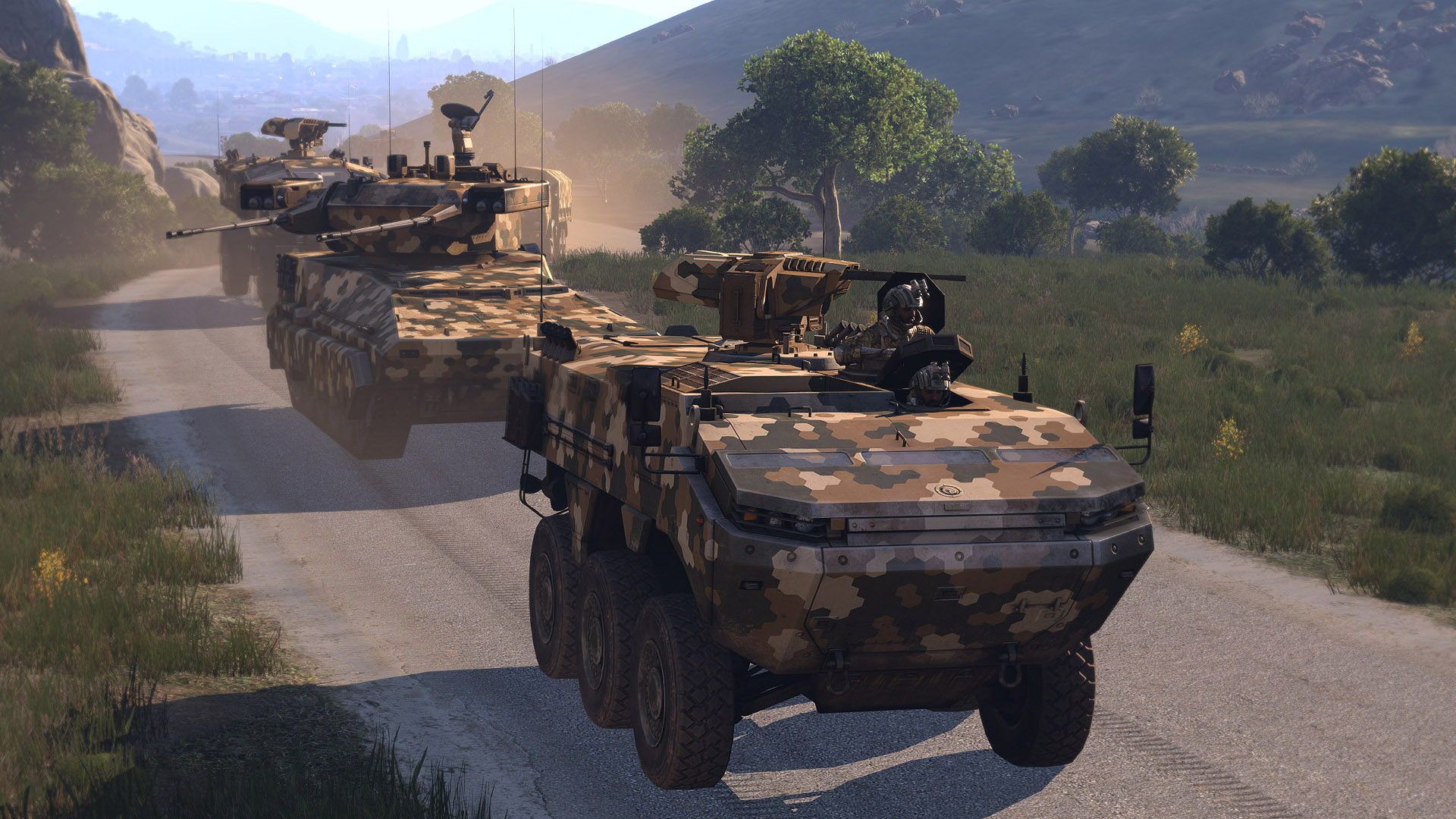
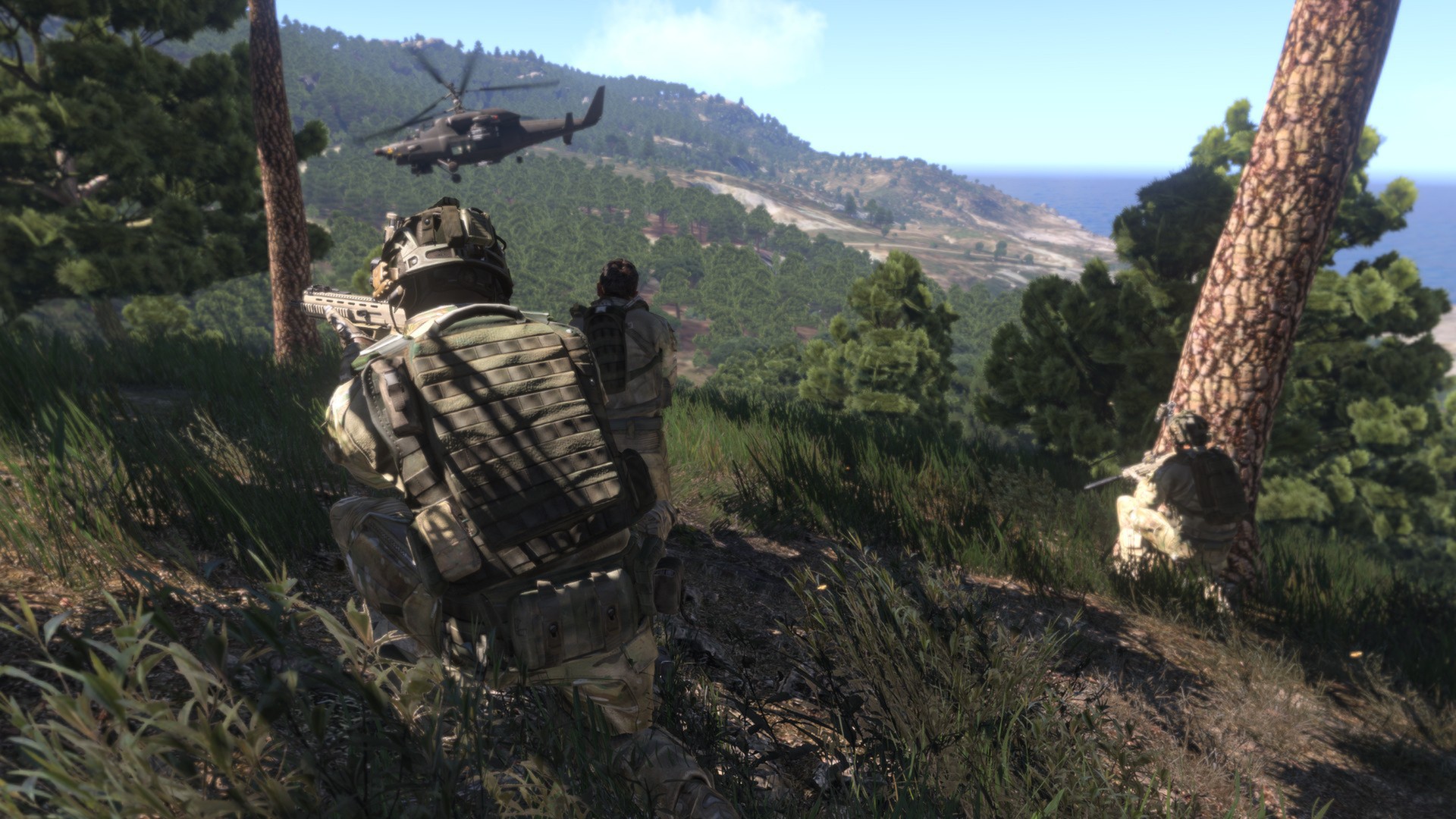
Arma 3 is Bohemia Interactive's military simulation that has defined the milsim genre for over a decade. Set in the near-future Mediterranean, it offers unparalleled combined arms warfare across massive open maps with realistic ballistics, vehicle physics, and squad tactics. The game's longevity comes from its legendary mod support. Community mods have created everything from Vietnam War scenarios to zombie survival to Star Wars conversions. While the Enfusion engine successor (Arma Reforger/Arma 4) exists, Arma 3 remains the most content-rich military simulator available, with thousands of workshop mods and an active multiplayer community in 2026.
This guide covers everything you need: core mechanics, the best characters, weapons worth investing in, location progression, and the tips that actually make a difference.
Core Mechanics
military simulation
Arma 3 simulates warfare at a level unmatched by other games. Ballistics account for bullet drop, wind, and ammunition type. Medical systems (especially with ACE mod) model wound types, blood pressure, and cardiac arrest. Fatigue, weapon sway, and stance all affect accuracy. One bullet can kill, making positioning and tactics paramount.
combined arms warfare
Infantry, armor, artillery, helicopters, and fixed-wing aircraft all operate simultaneously on the same battlefield. Coordinating between branches through radio communication creates emergent military operations. An infantry squad calling in air support while armor flanks the objective is standard Arma gameplay.
mod support
The Steam Workshop hosts over 70,000 mods for Arma 3. Total conversions include WWII (Iron Front), Vietnam (Unsung), modern warfare (RHS), and sci-fi (OPTRE). Quality-of-life mods like ACE (Advanced Combat Environment), TFAR (Task Force Radio), and CBA are considered essential for serious play.
scenario editor
The built-in editor allows creating custom missions, campaigns, and game modes. Zeus mode enables a game master to spawn units, set objectives, and create scenarios in real-time while players engage. The editor is powerful enough that most popular game modes (King of the Hill, Antistasi) were community-created.
realistic ballistics
Each ammunition type has real-world modeled performance. Velocity, mass, drag coefficient. A 5.56mm round drops significantly at 600 meters while a .338 Lapua maintains energy at 1200 meters. Armor penetration depends on ammunition AP rating vs. armor class. Zeroing your scope to the correct distance is essential for long-range shooting.
For a deeper dive into how these systems interact, see our Arma 3 combat guide.
Characters Overview
| Role | Tier | Playstyle | Key Stats |
|---|---|---|---|
| Rifleman | S | Move with your squad, engage targets at 200-400 meters, carry extra ammo for the machine gunner, use smoke for concealment. | Marksmanship, Movement Discipline, Communication |
| Autorifleman | A | Set up on overwatch with bipod deployed, lay sustained fire on enemy positions to enable squad movement. | Suppression Accuracy, Ammo Discipline, Position Selection |
| Medic | S | Stay behind the front line, sprint to casualties during lulls, stabilize with tourniquets then perform full treatment in cover. | Medical Knowledge, Positioning (stay alive), Speed |
| Sniper | B | Establish concealed overwatch positions, engage priority targets (enemy AT, commanders, machine gunners) at extreme range. | Range Estimation, Wind Compensation, Patience |
| Engineer | A | Place mines on enemy approach routes, repair damaged vehicles, breach fortified positions with explosive charges. | Explosive Handling, Vehicle Knowledge, Mine Placement |
Rifleman (S-Tier): The fundamental infantry role carrying a standard assault rifle and extra ammunition for the squad. Every Arma player should master Rifleman first. Understanding infantry movement, cover usage, and engagement ranges is the foundation for every other role.
Autorifleman (A-Tier): Carries the squad's light machine gun (MX SW or Zafir) for suppressive fire. The autorifleman's job is pinning enemies behind cover so the rest of the squad can maneuver. Sustained accurate fire is more valuable than kills.
Medic (S-Tier): With ACE medical mod, the medic is the most critical squad role. Untreated wounds cause unconsciousness and death within minutes. A medic carries blood bags, tourniquets, morphine, and surgical kits. Without a medic, the squad's combat endurance drops to near zero.
Sniper (B-Tier): Long-range precision marksman operating in 2-person teams (sniper + spotter). Effective but niche. Snipers struggle in close terrain and require significant skill in ballistic calculation. Best deployed on overwatch positions covering squad objectives.
Engineer (A-Tier): Handles explosives (mines, demo charges) and vehicle repair. Engineers can disable enemy vehicles with mines and clear enemy minefields. Vehicle repair keeps the squad's transport and armor operational in the field.
For full build breakdowns with gear and stat priorities, see our Arma 3 builds guide. For rankings, check the tier list.
Weapons Guide
| Weapon | Why It Matters | Best For |
|---|---|---|
| MX Rifle | The NATO standard 6. | Rifleman, Medic, Engineer |
| Katiba | The CSAT standard 6. | Rifleman (CSAT faction) |
| Mk18 ABR | A 7. | Sniper, Designated Marksman |
| SPMG | . | Autorifleman |
| Titan MPRL | Multipurpose guided missile launcher capable of engaging vehicles and aircraft. | Anti-Armor/Anti-Air specialist |
MX Rifle: The NATO standard 6.5mm assault rifle with excellent accuracy and moderate recoil. Effective at 500+ meters with proper optics. The modular design accepts various scopes, suppressors, and grenade launchers. The benchmark weapon all others are compared against.
Katiba: The CSAT standard 6.5mm bullpup rifle. Slightly shorter than the MX with similar ballistics, making it better for vehicle crews and CQB. The bullpup design improves handling in tight spaces without sacrificing barrel length.
Mk18 ABR: A 7.62mm designated marksman rifle with semi-automatic fire. Significantly more damage and range than 6.5mm rifles but heavier and with more recoil. The ABR fills the gap between assault rifles and dedicated sniper rifles.
SPMG: .338 Norma Magnum machine gun with devastating fire at extreme range. The belt-fed system allows sustained suppression. Total weight (weapon + ammo) is over 15 kg, severely limiting mobility. Deploy on bipod for best accuracy.
Titan MPRL: Multipurpose guided missile launcher capable of engaging vehicles and aircraft. The Titan can lock onto vehicles with its IR seeker or use manual guidance. Carrying a Titan plus reloads means minimal rifle ammo. A dedicated anti-armor/anti-air role.
Full breakdowns in our Arma 3 weapons guide.
Location Progression
| Location | Level Range | Key Rewards |
|---|---|---|
| Altis | All skill levels | Largest vanilla map, most server variety, full combined arms |
| Stratis | Beginner-Intermediate | Faster-paced gameplay, training scenarios, concentrated action |
| Tanoa | Intermediate-Advanced | Jungle warfare, boat operations, Apex content, Pacific setting |
| Livonia | All skill levels | Dense forests, Contact campaign, Eastern European setting |
| Malden | All skill levels | Free DLC, Combat Patrol mode, classic terrain |
Altis: The primary 270 km² Mediterranean island with diverse terrain: towns, military bases, salt flats, dense forests, and mountain ranges. The most popular map for large-scale operations and persistent multiplayer modes like Antistasi.
Stratis: A smaller 20 km² island ideal for infantry-focused operations and learning the game. Concentrated terrain means engagements happen faster. Many training scenarios and beginner servers use Stratis.
Tanoa: A tropical Pacific island with dense jungle vegetation and inter-island waterways. The Apex DLC map features the most challenging terrain for navigation and visibility. Jungle warfare favors close-range engagements and ambush tactics.
Livonia: A 163 km² Eastern European terrain with forests, farmland, and a contaminated zone. The Contact DLC map features the first-person shooter alien contact campaign. Dense forests create the best infantry combat terrain.
Malden: A free 62 km² island based on the original Operation Flashpoint map. Nostalgic terrain with modernized graphics. Good balance of open fields and towns. The Combat Patrol mode uses Malden as its primary map.
See our maps & locations guide for detailed area breakdowns and our walkthrough for the optimal progression path.
Tips That Actually Matter
- Install ACE, TFAR/ACRE, and CBA mods for the intended Arma 3 experience. Vanilla Arma is functional but these mods add critical depth to medical, communication, and weapon handling.
- Use cover religiously. Arma's ballistic model means exposed soldiers die in 1-2 hits. Move between cover points, never cross open ground without suppression or smoke.
- Learn the ACE medical system thoroughly: tourniquets stop limb bleeding temporarily, bandages fix wounds permanently, morphine manages pain, blood bags restore lost blood, epinephrine revives unconscious patients.
- Communication wins in Arma. Call out contacts with bearing, distance, and description: 'Infantry, bearing 045, 300 meters, in the treeline.' Vague callouts waste time and get people killed.
- Zeus mode (game master) is the best way to create memorable Arma experiences. One player controls AI spawning and objectives while others play the mission. No two sessions play the same.
- Zeroing your scope (Page Up/Down) is essential for shots beyond 200 meters. A 500-meter shot with a 200-meter zero will sail over the target's head.
- Helicopter piloting uses proper flight model physics. Practice in the editor for hours before attempting multiplayer helicopter piloting. A crashed helicopter kills the entire squad.
- Lower terrain detail and object draw distance for better FPS in multiplayer. Arma 3's engine struggles with many players. Performance optimization is necessary.
- Antistasi is the best community game mode for persistent guerrilla warfare gameplay. Capture territory, build an army, and liberate the island over multiple sessions.
- The scenario editor is powerful and worth learning. Creating custom missions for your group transforms Arma from a game into a military simulation platform.
Common Mistakes to Avoid
- Running and gunning like a regular FPS. Arma punishes aggressive movement with death. Move slowly, use cover, and think about your route before crossing open ground.
- Not learning keybindings. Arma has dozens of context-sensitive controls for stances, weapon resting, optic adjustment, and interaction. Spend time in the tutorials.
- Joining a milsim unit without understanding basic infantry tactics. Learn bounding overwatch, fire and movement, and contact drills before joining organized play.
- Ignoring the stamina system. Carrying too much weight means you can't sprint when it matters. Balance gear weight against mobility needs.
- Trying to fly helicopters in multiplayer without extensive practice. Physics-model helicopter crashes kill passengers and waste valuable team assets.
Frequently Asked Questions
Is Arma 3 still active in 2026?
Yes, very much so. While Arma Reforger exists, Arma 3's mod library of 70,000+ items makes it irreplaceable. Large milsim communities, King of the Hill servers, and Antistasi campaigns maintain a healthy daily player count.
What DLC should I buy for Arma 3?
Start with the base game. Apex is the most impactful DLC (Tanoa map + Pacific weapons). Contact adds Livonia and the alien campaign. The Marksmen and Helicopters DLCs add specialized content. All DLC weapons/vehicles can be used by non-owners in multiplayer. Only the assets themselves are DLC-locked.
How do I get into Arma 3 milsim?
Join a milsim unit through r/FindAUnit or Arma community forums. Most units require ACE, TFAR, and their specific mod pack. Attend a training session to learn their SOPs. Starting as a Rifleman and learning from experienced players is the standard path.
Is Arma 3 hard to run?
Yes, it demands significant CPU power due to the simulation-heavy engine. AI calculations run on a single core. Expect 30-60 FPS in multiplayer even on high-end hardware. Lower view distance and object detail for better performance.
Similar Games
If you enjoy Arma 3, check out these related guides:
- Counter-Strike 2 Guide: fps game with similar mechanics
- Apex Legends Guide: fps game with similar mechanics
- Rainbow Six Siege Guide: fps game with similar mechanics