Divinity: Original Sin 2 is widely considered one of the greatest CRPGs ever made, blending deep tactical turn-based combat with systemic environmental interactions and genuine narrative freedom. The surface combo system lets you set oil on fire, electrify water, freeze blood pools, and chain elemental reactions in creative ways the developers never intended. With 4-player co-op campaign support and a GM mode for creating custom adventures, DOS2 offers hundreds of hours of content. The Definitive Edition added a full Act 3 rework, improved tutorials, and thousands of new voice lines.
Combat in Divinity: Original Sin 2 rewards knowledge over reflexes. Understanding how each mechanic works (and how they interact) is what turns a struggling player into a dominant one. New here? Start with our beginner's guide for the basics.
Core Combat Mechanics
1. surface combos
Surfaces are created by spells and environmental effects: fire creates burning ground, rain creates water puddles, oil is flammable, blood can be frozen or electrified. Combos chain: cast Rain to create water, then Shocking Touch to electrify all water, stunning everyone standing in it. Bless/Curse modify surfaces. Blessed Fire creates Holy Fire that heals allies. The possibilities are nearly infinite.
Why it matters: This is the foundation of all combat. Everything else builds on this.
2. initiative system
Turn order is determined by Initiative stat (Wits attribute + gear bonuses). Higher initiative acts first each round. The order is interleaved between allies and enemies. It's not team-based. This means having one high-initiative character can scout and set up combos before enemies react. Initiative ties go to the player.
Why it matters: The most underrated mechanic. Players who master this early have a massive advantage.
3. civil abilities
Non-combat skills that affect dialogue and exploration: Persuasion (conversation options), Lucky Charm (random loot quality), Thievery (pickpocketing and lockpicking), Loremaster (identifying items), and Bartering (shop prices). Assign each party member a different civil ability for maximum coverage. Only the speaking character's Persuasion is checked in dialogue.
Why it matters: Unlocks a new layer of gameplay depth once understood.
4. Source points
Source points (SP) fuel the most powerful abilities in the game. You start with 1 SP slot and unlock up to 3. Source skills like Apotheosis, Pyroclastic Eruption, and Grasp of the Starved deal devastating damage or provide game-changing utility. SP is replenished at Source Fountains, by consuming spirits (dialogue option), or via certain skills.
Why it matters: The tactical edge that separates average players from advanced ones.
5. armor system
Every character has Physical Armor and Magic Armor that must be depleted before status effects (knockdown, stun, frozen, etc.) can apply. Physical attacks deplete Physical Armor, magic attacks deplete Magic Armor. This means crowd-control only works after armor breaks. Leading to the meta strategy of focusing all damage on one type to strip one armor type quickly.
Why it matters: The endgame optimization mechanic. Small improvements here compound into massive gains.
Mechanic Synergies
Understanding how mechanics interact is where real optimization happens:
surface combos + initiative system
Surfaces are created by spells and environmental effects: fire creates burning ground, rain creates water puddles, oil is flammable, blood can be frozen or electrified. When combined with initiative system, turn order is determined by initiative stat (wits attribute + gear bonuses). This combination is the core of every effective build.
civil abilities + Source points
Non-combat skills that affect dialogue and exploration: Persuasion (conversation options), Lucky Charm (random loot quality), Thievery (pickpocketing and lockpicking), Loremaster (identifying items), and Bartering (shop prices). Paired with Source points, source points (sp) fuel the most powerful abilities in the game. This is why the tier list favors builds that leverage both.
armor system as a Multiplier
Every character has Physical Armor and Magic Armor that must be depleted before status effects (knockdown, stun, frozen, etc.) can apply. Physical attacks deplete Physical Armor, magic attacks deplete Magic Armor. This means crowd-control only works after armor breaks. Leading to the meta strategy of focusing all damage on one type to strip one armor type quickly. This system amplifies everything else. The better your armor system optimization, the more your other mechanics pay off.
Combat by Build
Each build approaches combat differently:
Lone Wolf (S-Tier)
Combat approach: Run a 2-character party, invest heavily in one damage type, and overwhelm enemies with doubled stats. Lone Wolf warriors deal 2-3x the damage of regular characters. Key equipment: Anathema Primary mechanic: surface combos
The Lone Wolf talent doubles your attribute points, combat ability points, and vitality when running with 2 or fewer party members. Full setup in our builds guide.
Necromancer (S-Tier)
Combat approach: Strip Physical Armor with Necromancer spells (they deal physical damage despite being magic skills), then apply CC like Knockdown. Lifesteal keeps you alive. Key equipment: Falone Scythe Primary mechanic: initiative system
Necromancers deal physical damage with magic, bypassing the split-damage problem. Full setup in our builds guide.
Pyro/Geo (A-Tier)
Combat approach: Open with oil surfaces, ignite them, and layer fire spells for massive AoE. Use Geomancer armor buffs for self-protection. Control the battlefield through surface denial. Key equipment: Swornbreaker Primary mechanic: civil abilities
Pyromancer/Geomancer combo creates devastating surface control. Full setup in our builds guide.
Summoner (A-Tier)
Combat approach: Summon the Incarnate on the optimal surface, buff it with infusions, then support the team with heals and utility while your Incarnate tanks and deals damage. Key equipment: Rune-crafted weapons Primary mechanic: Source points
At Summoning 10, the Incarnate becomes a champion-level summon that matches or exceeds most party members in power. Full setup in our builds guide.
Ranger (A-Tier)
Combat approach: Position on high ground before combat starts, focus fire to strip one enemy's Physical Armor, then CC them with Knockdown arrows. Use mobility skills to maintain elevation advantage. Key equipment: Eternal Artefact Primary mechanic: armor system
Rangers deal massive single-target physical damage with bows/crossbows from safety. Full setup in our builds guide.
Advanced Combat Techniques
Damage Optimization
- Match your equipment to your build's stat priorities
- Exploit surface combos for maximum damage windows
- Chain initiative system and civil abilities for combo damage
- Use Source points to create openings
Survivability
- Learn enemy patterns before committing to attacks
- The respec mirror on the Lady Vengeance lets you completely rebuild any character for free. Change attributes, abilities, talents, and even appearance at any time. Use it constantly to experiment with builds.
- Position using surface combos to control spacing
- Save defensive options for guaranteed survival, not comfort
Boss Combat
Bosses test your understanding of every mechanic. See our boss guide for fight-specific strategies.
- Phase awareness: Most bosses change behavior at health thresholds
- Patience over aggression: One extra hit per opening beats dying to greed
- Build preparation: Swap gear and equipment for specific fights when needed
Common Combat Mistakes
- Button mashing: Committed attacks have recovery frames. Mashing locks you into animations.
- Ignoring initiative system: This mechanic exists for a reason. Players who use it take significantly less damage.
- Wrong equipment for the situation: Check our weapons guide for situational picks.
- Not learning from deaths: Every death teaches something. If you don't know why you died, you'll die the same way again.
- Overcommitting: Trading hits works in Fort Joy but will get you killed in Lady Vengeance.
More Divinity: Original Sin 2 Guides
- Divinity: Original Sin 2 Divinity: Original Sin 2 Overview
- Divinity: Original Sin 2 Best Builds
- Divinity: Original Sin 2 Tier List
- Divinity: Original Sin 2 Walkthrough
- Divinity: Original Sin 2 Beginner's Guide
- Divinity: Original Sin 2 Tips & Tricks
- Divinity: Original Sin 2 Weapons Guide
- Divinity: Original Sin 2 Boss Guide
- Divinity: Original Sin 2 Maps & Locations
- Divinity: Original Sin 2 Crafting Guide
- Divinity: Original Sin 2 Classes & Characters
Similar Games
If you enjoy Divinity: Original Sin 2, check out these related guides:
- Elden Ring Combat Guide: rpg game with similar mechanics
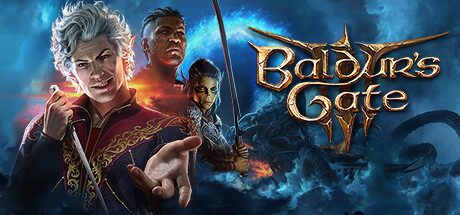
- Baldur's Gate 3 Combat Guide: rpg game with similar mechanics
- Cyberpunk 2077 Combat Guide: rpg game with similar mechanics