
This Rocket League tier list ranks every major option by overall effectiveness. Rankings factor in damage output, survivability, versatility, gear requirements, and how well each option scales.
Tier definitions: S = best in class, always a strong pick. A = strong and competitive, minor weaknesses. B = solid but clearly outperformed in most situations. C = viable only for players who enjoy the playstyle.
Builds Rankings
| Tier | Role | Playstyle |
|---|---|---|
| S | Octane | Well-rounded for all mechanics: ground play, aerials, dribbling, and 50/50s. The default recommendation for every rank. |
| S | Fennec | Identical to Octane in every mechanical way. Choose based on visual preference. Some players aim better with the boxy visual model. |
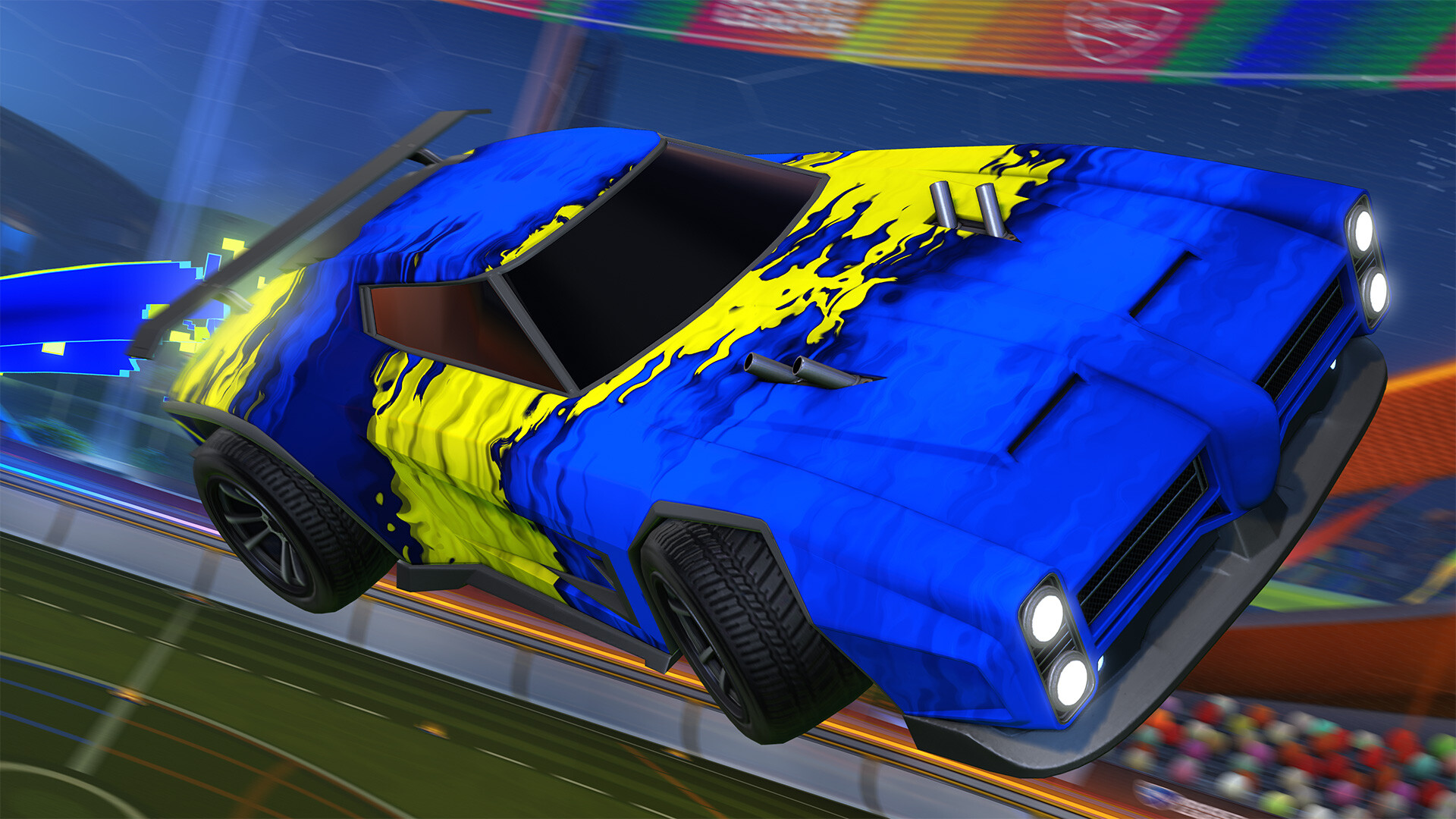
| A | Dominus | Dribble the ball on the flat roof for flick shots, use the wide hitbox for powerful clears and redirects. |
| B | Breakout | Focus on powerful clears and long-range shots. Less effective for finesse play like dribbling and redirects. |
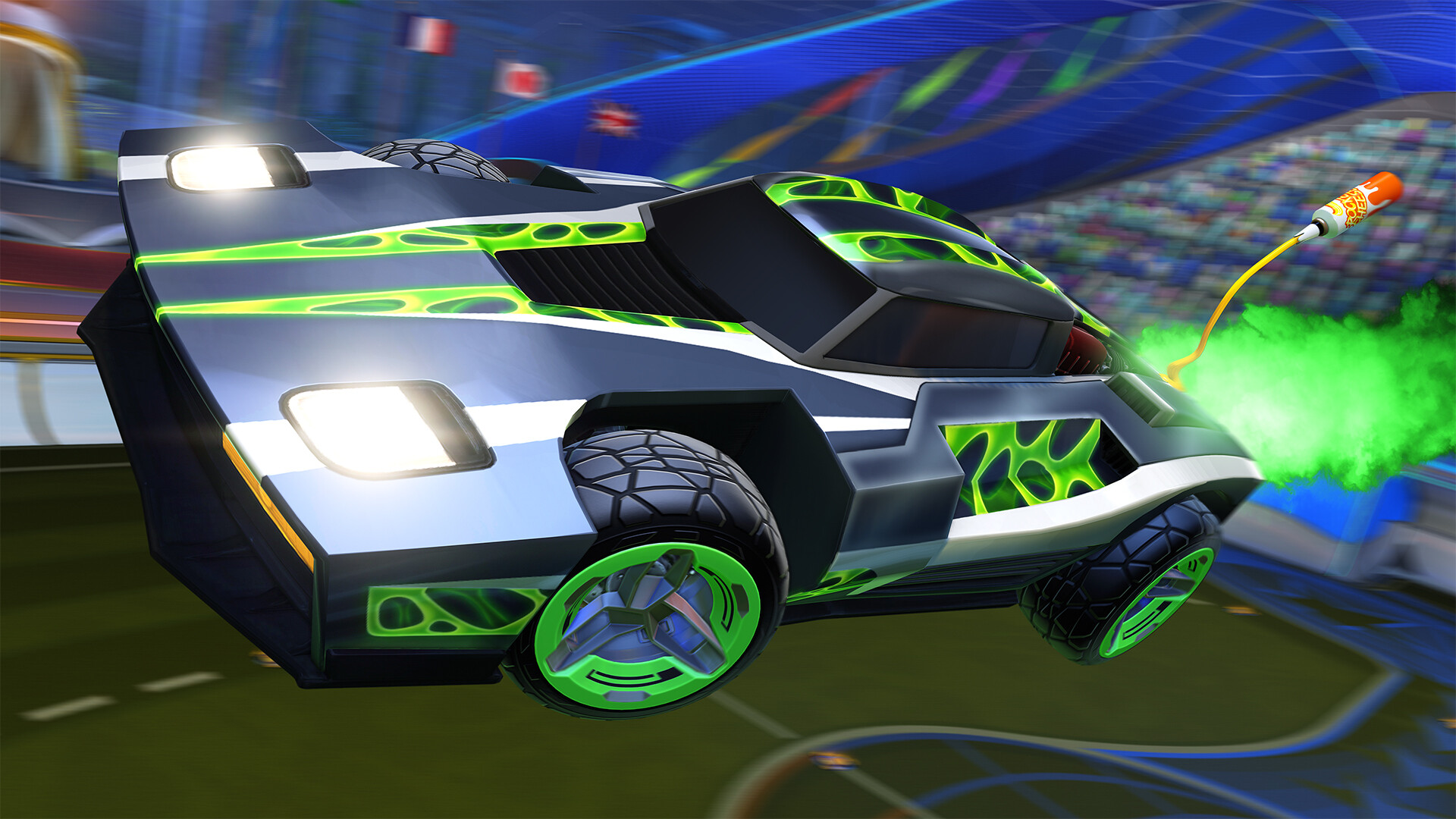
| B | Batmobile | Dominate ground play with the flat hitbox, execute devastating flicks, accept weaker aerial play as a tradeoff. |
Detailed Builds Analysis
Octane (S-Tier)
The most popular car with the balanced Octane hitbox. Its tall, rounded hitbox makes 50/50 ground challenges and aerials forgiving. Over 70% of professional players use Octane. The best car for learning and competing.
Best with: Octane body, any decal/wheels (cosmetic only). See our builds guide for full setup. Stat focus: Hitbox familiarity, turning radius knowledge
Fennec (S-Tier)
Uses the same Octane hitbox but with a visual model that matches the hitbox shape more closely. Many players feel the Fennec gives better visual feedback for where the hitbox actually is. Identical performance to Octane.
Best with: Fennec body (trade or blueprint). See our builds guide for full setup. Stat focus: Same as Octane
Dominus (A-Tier)
Flat, wide hitbox that excels at power shots, flicks, and low 50/50 challenges. The flat top surface makes catching the ball on your car for dribbles and flicks more consistent. Less forgiving for aerials due to the narrow vertical hitbox.
Best with: Dominus body (free). See our builds guide for full setup. Stat focus: Flick techniques, power shot angles
Breakout (B-Tier)
The longest and flattest hitbox, maximizing shot power at the cost of aerial control. The Breakout excels at long-range shots and clears. Less popular at high ranks due to the narrow hitbox making precise aerial touches difficult.
Best with: Breakout body (free). See our builds guide for full setup. Stat focus: Shot power, clearing distance
Batmobile (B-Tier)
Uses the Plank hitbox. Extremely flat and wide. The Batmobile is iconic in Rocket League history (Kuxir97's signature car). Its flat profile makes flicks devastating but aerials awkward. A specialist car for experienced players.
Best with: Batmobile body (DLC). See our builds guide for full setup. Stat focus: Flick mastery, ground game
Equipment Rankings
| Equipment | Best With | Notes |
|---|---|---|
| Flip Reset | High-level offense (Champion+) | Land all four wheels on the ball mid-air to gain a fresh dodge. |
| Air Dribble | Wall play, offensive pressure (Diamond+) | Carry the ball on your car through the air by making soft, controlled touches. |
| Musty Flick | Ground offense, flick plays (Platinum+) | A backflip flick where you tilt your car backward then flip forward, catching the ball on your undercarriage. |
| Double Tap | Offensive plays (Diamond+) | Hit the ball off the backboard then aerial to hit the rebound for a shot. |
| Ceiling Shot | Offensive plays (Champion+) | Drive on the ceiling, drop off to gain a flip (no flip timer when falling from ceiling), then use the flip to hit the ball. |
Equipment Analysis
Flip Reset: Land all four wheels on the ball mid-air to gain a fresh dodge. The subsequent flip can be aimed in any direction, creating unpredictable shots. Consistent flip resets require Champion-level aerial control. Practice in free play against the ball at various angles.
Air Dribble: Carry the ball on your car through the air by making soft, controlled touches. Drive up the wall, pop the ball off, match its trajectory, and gently guide it toward goal. Air dribbles are most effective when initiated from the wall.
Musty Flick: A backflip flick where you tilt your car backward then flip forward, catching the ball on your undercarriage. The ball pops up with unexpected speed and trajectory. Named after the player 'Musty' who popularized it. Effective as a ground-to-air shot.
Double Tap: Hit the ball off the backboard then aerial to hit the rebound for a shot. Double taps are powerful because the first touch creates an unpredictable angle that's hard to save. Requires reading the backboard bounce trajectory.
Ceiling Shot: Drive on the ceiling, drop off to gain a flip (no flip timer when falling from ceiling), then use the flip to hit the ball. Ceiling shots give a dodge with no time limit, allowing you to fake a shot and dodge late. Hard to defend against.
Meta Analysis
The current meta in Rocket League centers on aerial mechanics and boost management.
-
Octane with Flip Reset is the benchmark.
-
rotation strategy builds are gaining ground as players find new combinations.
-
Dominus remains essential for learning hard content.
-
Fennec is consistently overlooked despite being the most flexible option.
-
Musty Flick offers excellent performance for its investment level.
-
Pure Batmobile builds.
Quick Picks by Situation
| Situation | Best Role | Best Gear | Why |
|---|---|---|---|
| Overall best | Octane | Flip Reset | Highest consistent performance |
| New player | Fennec | Air Dribble | Most forgiving, teaches mechanics |
| Hard content | Dominus | Musty Flick | Survivability when you need it |
| Group play | Breakout | Double Tap | Utility and team support |
| Experienced player | Batmobile | Ceiling Shot | Unique challenge and high ceiling |
Similar Games
If you enjoy Rocket League, check out these related guides:
- Football Manager 2024 Tier List: sports game with similar mechanics
- EA SPORTS FC 25 Tier List: sports game with similar mechanics