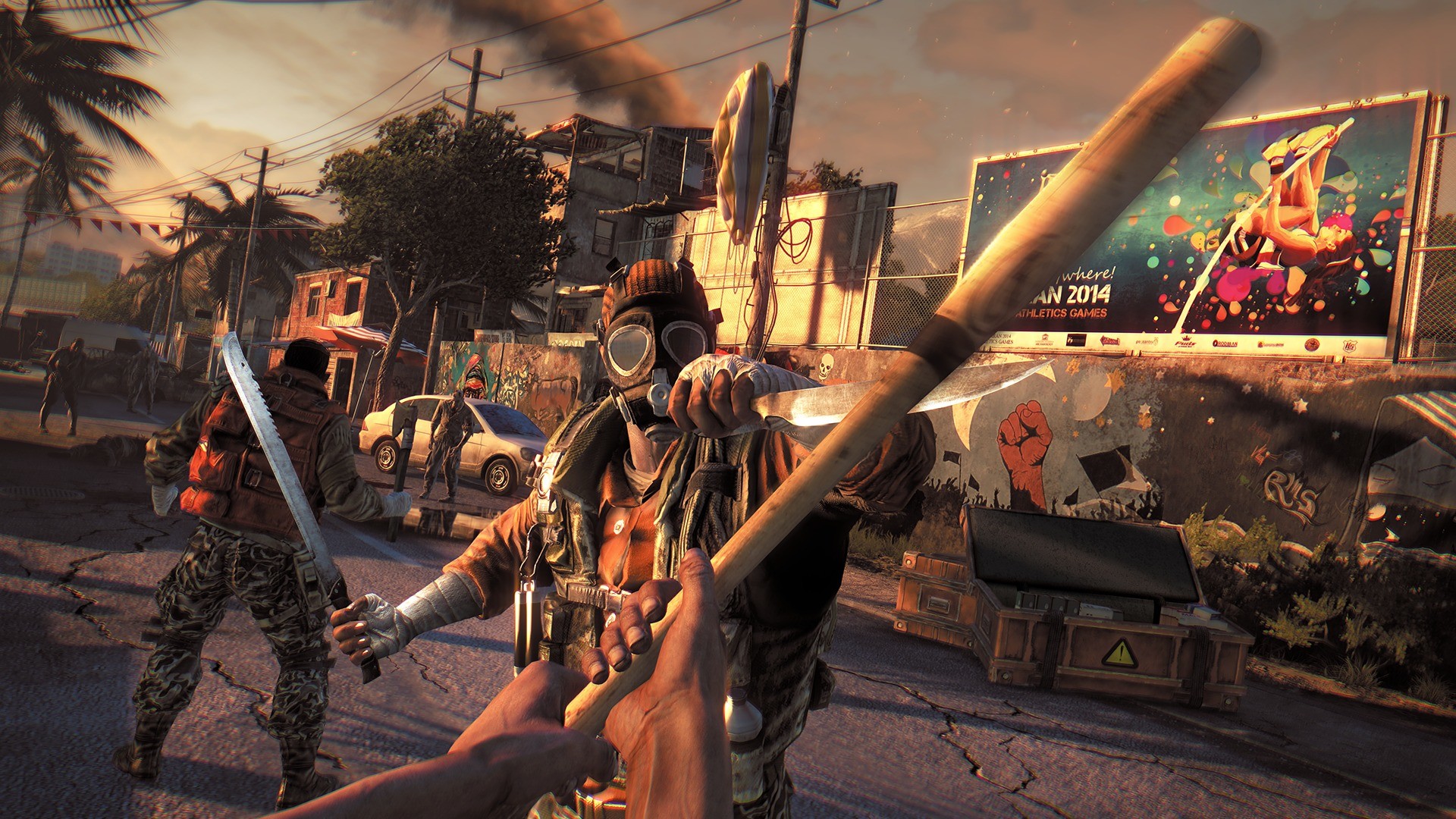
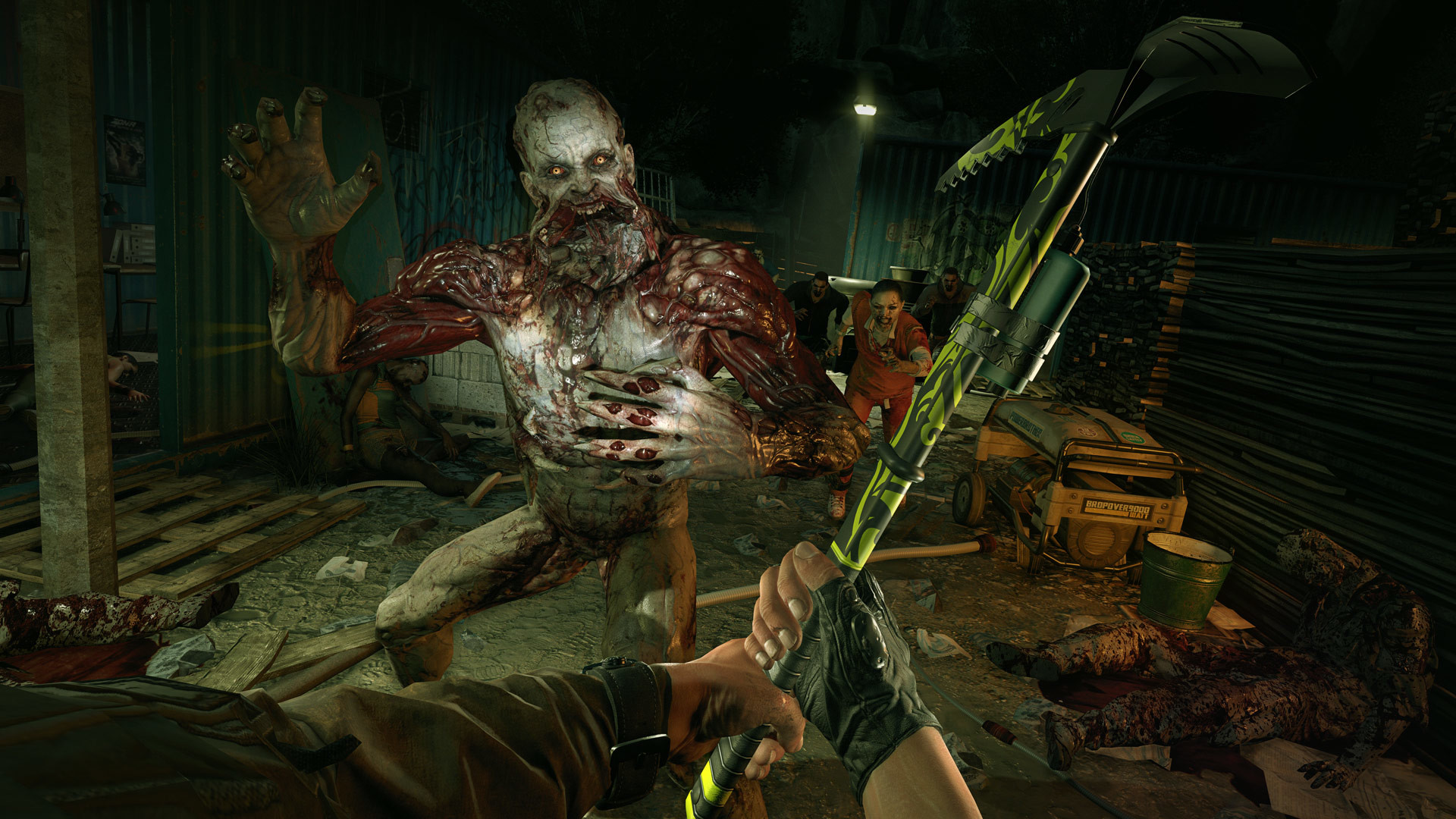
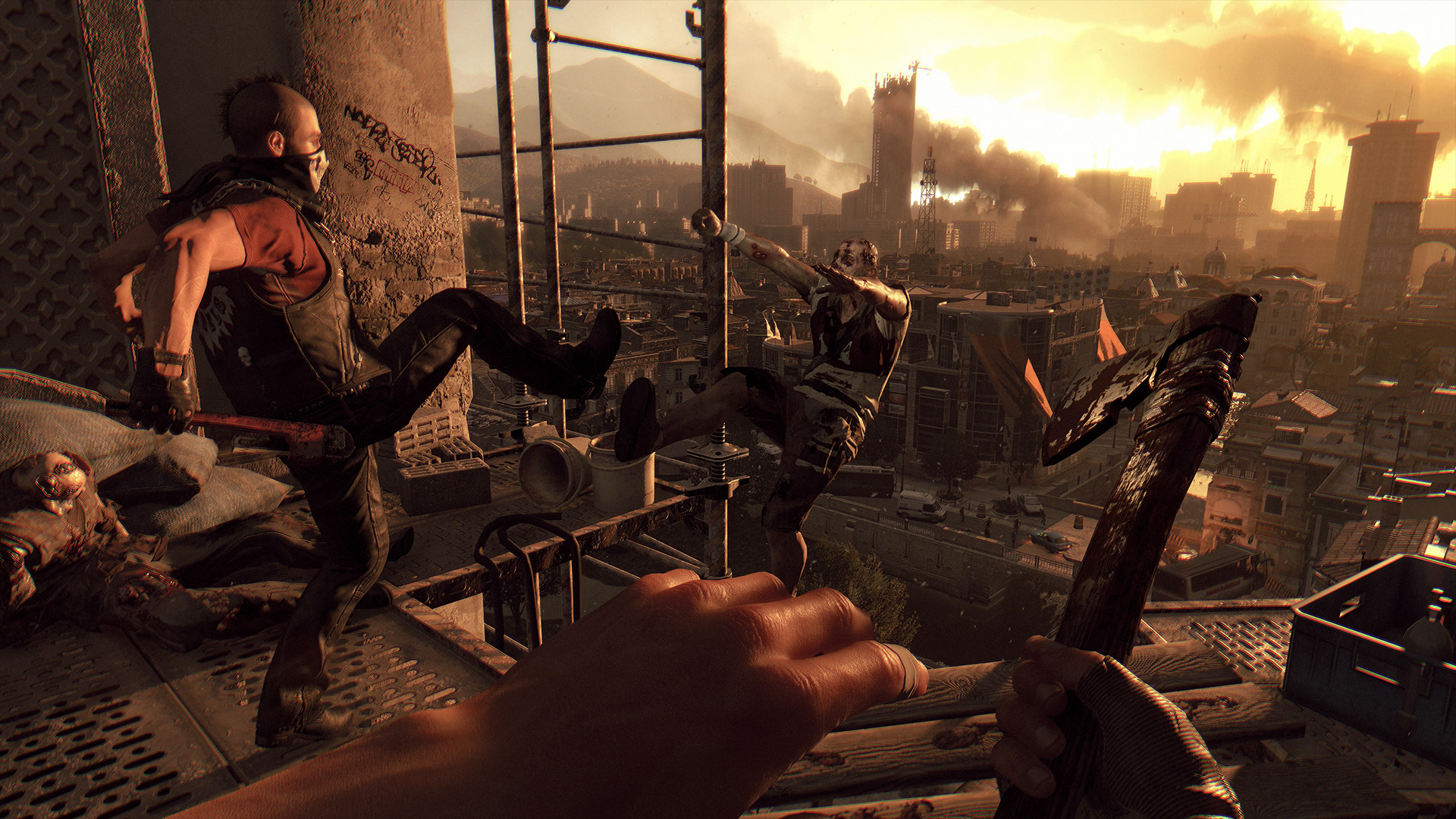
Dying Light combines first-person parkour traversal with zombie survival in an open world that transforms dramatically when the sun goes down. The game's defining feature is its day-night cycle. Daytime is for scavenging and questing while outrunning standard zombies, while nighttime unleashes Volatiles, terrifying fast zombies that hunt by sound and chase relentlessly. Parkour traversal over rooftops makes movement feel exhilarating rather than tedious. Techland's continued support added The Following DLC (a massive countryside expansion with driveable buggies), numerous content updates, and one of the longest post-launch support periods in gaming. The game remains the benchmark for first-person melee zombie combat.
New to the game? Start with our beginner's guide first.
Quick Rankings
| Role | Tier | Playstyle | Core Gear |
|---|---|---|---|
| Survivor Tree | A | Focus on questing and supply drops for Survivor XP, unlock blueprints that transform basic weapons into elemental powerhouses. | Crafted weapons, lockpicks, medkits |
| Agility Tree | S | Traverse rooftops constantly, use nighttime for 2x XP bonus, unlock grappling hook as fast as possible. | Grappling Hook, Camouflage skill, UV Flares |
| Power Tree | A | Engage zombies with powerful melee combos, use the dropkick for crowd control, craft the strongest elemental weapons. | Best available melee weapon, elemental upgrades, weapon repairs |
| Legend Levels | S | Grind Legend Levels through repeated high-XP activities, invest points into your preferred weapon type for maximum damage scaling. | Gold-tier weapons, Legend Level stat investments |
| Driver Tree | B | Use the buggy for countryside traversal, run over zombie hordes, upgrade parts through exploration and quests. | Upgraded Buggy, performance parts, UV headlights, electric cage |
For detailed meta rankings, see our Dying Light tier list.
A-Tier: Survivor Tree
The utility/crafting skill tree that improves inventory management, crafting efficiency, and lockpicking. Higher Survivor rank unlocks better blueprints and merchant access. Leveled through quest completion and supply drops.
Core Setup
| Slot | Choice | Why |
|---|---|---|
| Primary Weapon | EXPCalibur | An Easter egg weapon found by locating a specific rock on an island. |
| Stat Priority | Crafting Blueprints, Merchant Access, Inventory Space | Optimal scaling |
| Key Mechanic | parkour traversal | A full parkour system: mantling, wall running, sliding, climbing, zip lines, and leaping between buildings. |
How to Play Survivor Tree
Focus on questing and supply drops for Survivor XP, unlock blueprints that transform basic weapons into elemental powerhouses.
Why this role works: EXPCalibur does the damage and parkour traversal keeps it running, which is why this sits at the top of the list. Core gear like Crafted weapons, lockpicks, medkits pushes it further. See our weapons guide for detailed weapons breakdowns.
-
Highest overall performance
-
Clear stat priority (Crafting Blueprints, Merchant Access, Inventory Space) makes gearing straightforward
-
Works in all content types
-
Popular pick, resources may be contested
-
Needs specific gear to reach full potential
S-Tier: Agility Tree
The parkour skill tree unlocking movement abilities: dodge, dropkick, vault-over, tic-tac, and the game-changing grappling hook. Leveled through parkour actions and nighttime traversal. The most impactful tree because mobility is survival.
Core Setup
| Slot | Choice | Why |
|---|---|---|
| Primary Weapon | Korek Machete | A craftable weapon using the Korek blueprint found on a rooftop near the Tower. |
| Stat Priority | Grappling Hook unlock, Dodge, Vault-Over | Optimal scaling |
| Key Mechanic | day-night cycle | During the day, standard Biters (slow zombies) and Virals (fast runners) populate the world. |
How to Play Agility Tree
Traverse rooftops constantly, use nighttime for 2x XP bonus, unlock grappling hook as fast as possible.
Why this role works: Pair Korek Machete with day-night cycle and the build stops depending on a good start, so it holds up across most content. Core gear like Grappling Hook, Camouflage skill, UV Flares pushes it further. See our weapons guide for detailed weapons breakdowns.
-
Most versatile option
-
Clear stat priority (Grappling Hook unlock, Dodge, Vault-Over) makes gearing straightforward
-
Works in all content types
-
Lower peak damage than S-tier
-
Needs specific gear to reach full potential
A-Tier: Power Tree
The combat skill tree increasing melee damage, adding combat moves (ground pound, dropkick, charge), and improving weapon handling. Leveled through killing zombies. The dropkick is arguably the best move in the game for its knockback and instakill potential.
Core Setup
| Slot | Choice | Why |
|---|---|---|
| Primary Weapon | Last Hope | The highest base damage melee weapon in the base game, a gold-tier machete dropped by demolishers and in police vans. |
| Stat Priority | Dropkick, Stomp, Ground Pound | Optimal scaling |
| Key Mechanic | weapon crafting | Melee weapons degrade with use and can be repaired a limited number of times. |
How to Play Power Tree
Engage zombies with powerful melee combos, use the dropkick for crowd control, craft the strongest elemental weapons.
Why this role works: weapon crafting covers the gap Last Hope leaves open, so the build stays usable even when a fight goes badly. Core gear like Best available melee weapon, elemental upgrades, weapon repairs pushes it further. See our weapons guide for detailed weapons breakdowns.
-
Best survivability
-
Clear stat priority (Dropkick, Stomp, Ground Pound) makes gearing straightforward
-
Works in all content types
-
Slower clear speeds
-
Needs specific gear to reach full potential
S-Tier: Legend Levels
Post-max-level progression that adds stat points to specific categories (One-Handed Damage, Health, Stamina, etc.). Legend Levels are the true endgame grind where you specialize your character beyond the skill trees. Farmable through BTZS volatile farming.
Core Setup
| Slot | Choice | Why |
|---|---|---|
| Primary Weapon | Rune Hammer | A legendary blueprint hammer that deals massive impact damage with built-in electrical effect. |
| Stat Priority | Weapon type damage (match your weapon), Health, Stamina | Optimal scaling |
| Key Mechanic | co-op gameplay | Up to 4 players share the same world with scaled zombie density. |
How to Play Legend Levels
Grind Legend Levels through repeated high-XP activities, invest points into your preferred weapon type for maximum damage scaling.
Why this role works: This one leans on co-op gameplay rather than raw numbers, and Rune Hammer is what makes that trade pay off. Core gear like Gold-tier weapons, Legend Level stat investments pushes it further. See our weapons guide for detailed weapons breakdowns.
-
Strong in group/team content
-
Clear stat priority (Weapon type damage (match your weapon), Health, Stamina) makes gearing straightforward
-
Excels in its niche
-
Weaker solo performance
-
Requires deep game knowledge
B-Tier: Driver Tree
The Following DLC adds the Driver tree for buggy vehicle skills. The buggy has its own stats (engine, suspension, brakes, armor) upgraded through parts found in the countryside. The buggy's UV headlights are the best Volatile defense in the game.
Core Setup
| Slot | Choice | Why |
|---|---|---|
| Primary Weapon | Gonunaba | A unique katana found in The Following DLC inside a cave with a specific quest. |
| Stat Priority | Engine Speed, Suspension, UV Light Range | Optimal scaling |
| Key Mechanic | volatile encounters | Volatiles are the endgame enemies with high speed, massive damage, and the ability to call hordes. |
How to Play Driver Tree
Use the buggy for countryside traversal, run over zombie hordes, upgrade parts through exploration and quests.
Why this role works: Gonunaba and volatile encounters pull in the same direction here, which separates this from the safer picks above. Core gear like Upgraded Buggy, performance parts, UV headlights, electric cage pushes it further. See our weapons guide for detailed weapons breakdowns.
-
Unique, rewarding playstyle
-
Clear stat priority (Engine Speed, Suspension, UV Light Range) makes gearing straightforward
-
Excels in its niche
-
High skill floor, punishing when misplayed
-
Requires deep game knowledge
Build Progression Path
- Start with Agility Tree: the most forgiving option for learning the game
- Transition to Survivor Tree once you understand core mechanics and have access to EXPCalibur
- Keep a Power Tree setup for content that keeps killing you
- Try Driver Tree for a fresh experience once you've mastered the basics
Follow our walkthrough for the optimal progression path through each area.
Gearing Tips
- Invest in your primary weapon first, since it gives the biggest power spike. See our weapons guide for rankings.
- Night time gives 2x Agility and Power XP. Running from Volatiles at night is the fastest way to level these trees. Pop a UV flare if caught, sprint, and get to a safe house.
- The dropkick (Power tree) is the single best combat move in the game. It one-shots most standard zombies, knocks Virals off buildings, and creates distance against groups. Use it constantly.
- Don't spread upgrade resources across multiple builds until endgame
Similar Games
If you enjoy Dying Light, check out these related guides:
- Helldivers 2 Builds: action game with similar mechanics
- Black Myth: Wukong Builds: action game with similar mechanics
- Monster Hunter Wilds Builds: action game with similar mechanics