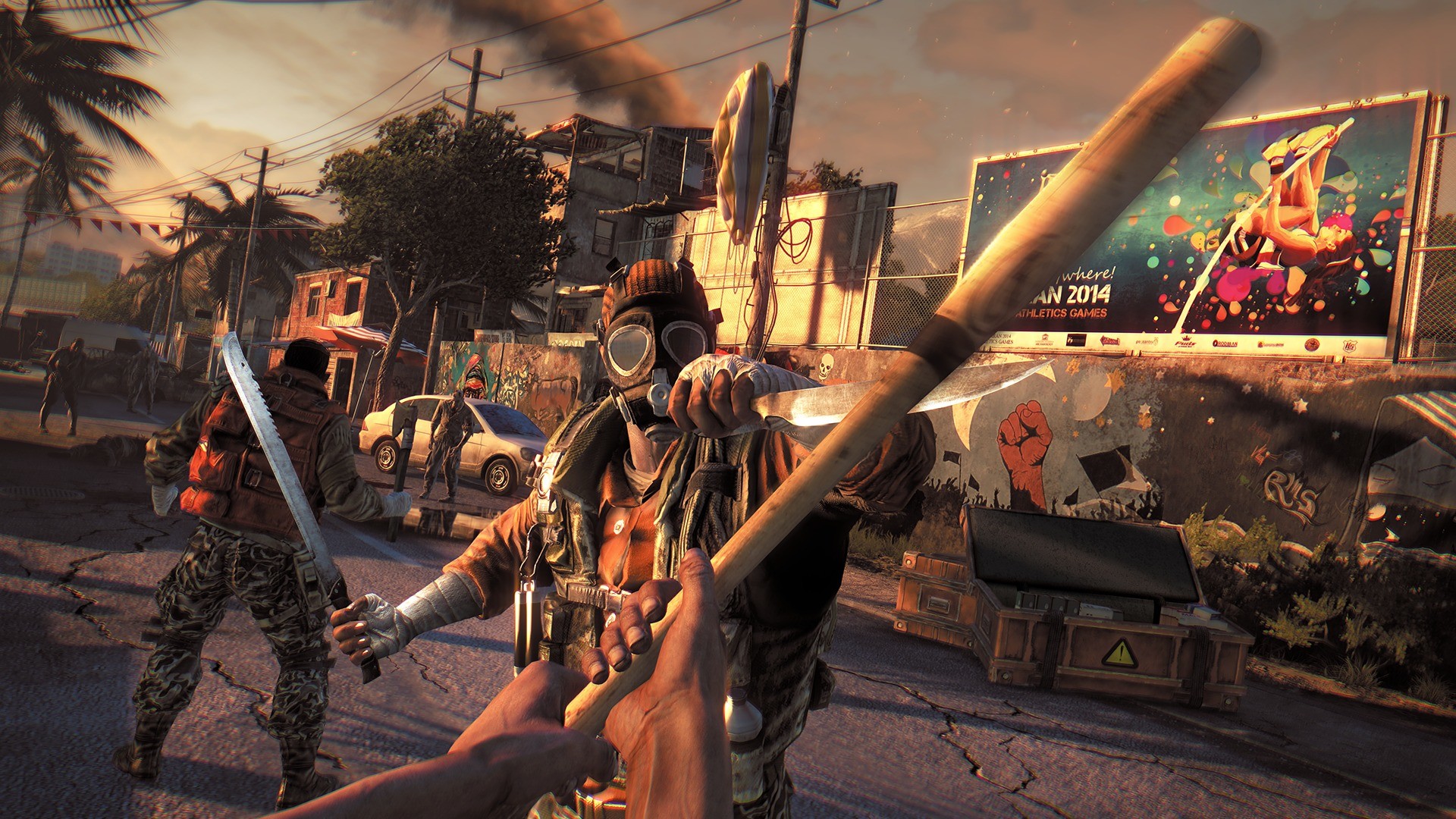
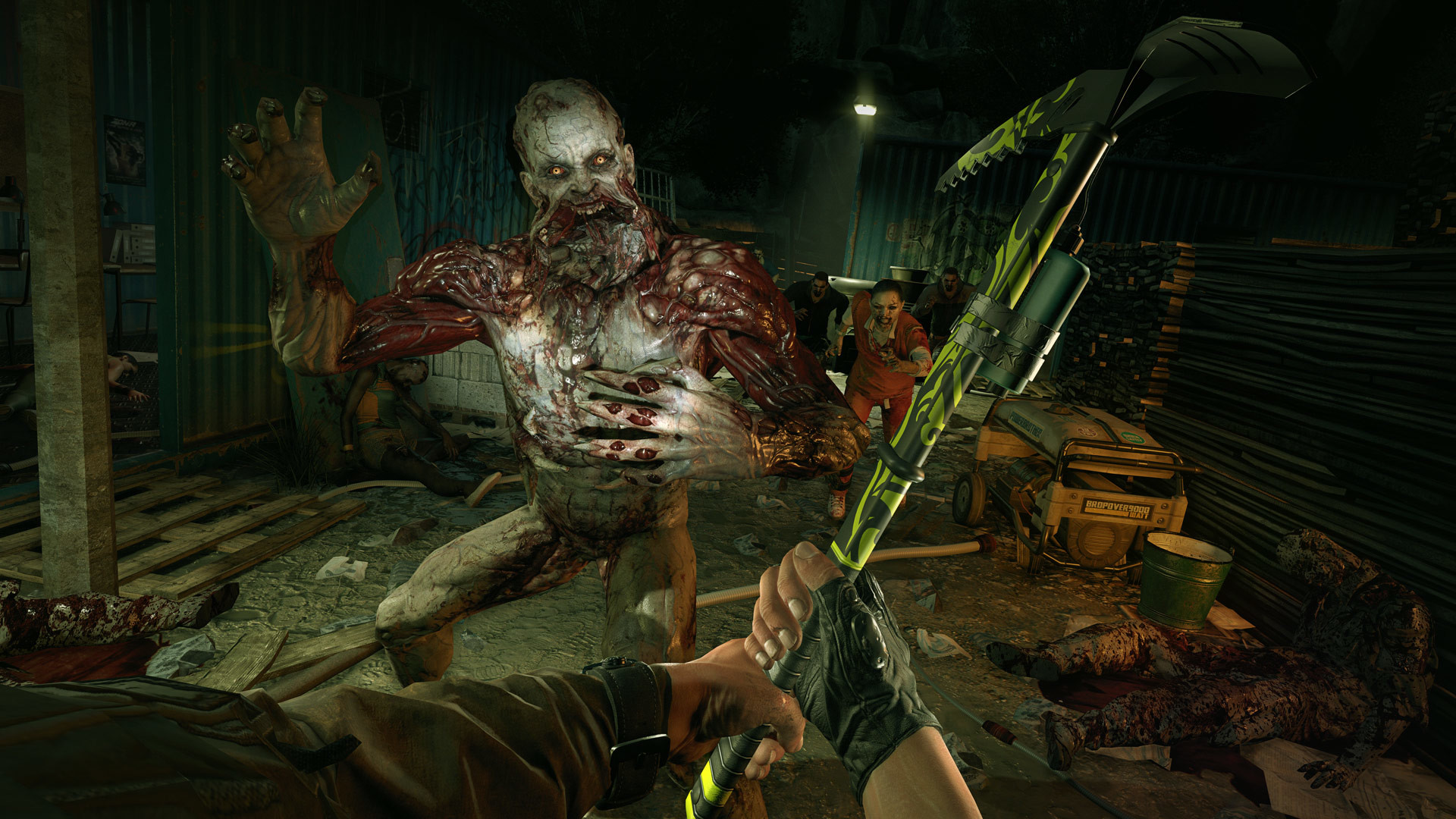
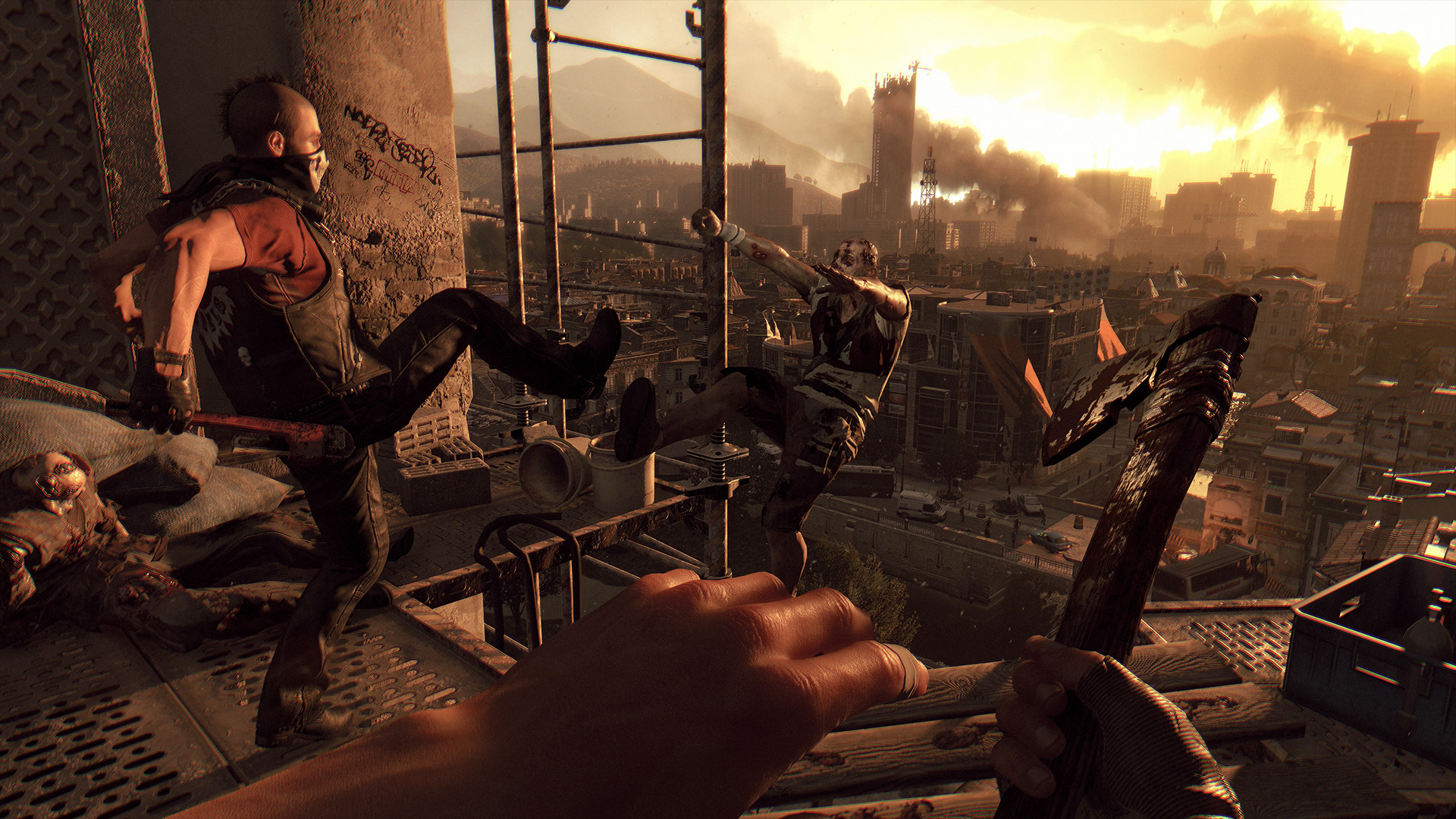
This Dying Light tier list ranks every major option by overall effectiveness. Rankings factor in damage output, survivability, versatility, gear requirements, and how well each option scales.
Tier definitions: S = best in class, always a strong pick. A = strong and competitive, minor weaknesses. B = solid but clearly outperformed in most situations. C = viable only for players who enjoy the playstyle.
Characters Rankings
| Tier | Role | Playstyle |
|---|---|---|
| A | Survivor Tree | Focus on questing and supply drops for Survivor XP, unlock blueprints that transform basic weapons into elemental powerhouses. |
| S | Agility Tree | Traverse rooftops constantly, use nighttime for 2x XP bonus, unlock grappling hook as fast as possible. |
| A | Power Tree | Engage zombies with powerful melee combos, use the dropkick for crowd control, craft the strongest elemental weapons. |
| S | Legend Levels | Grind Legend Levels through repeated high-XP activities, invest points into your preferred weapon type for maximum damage scaling. |
| B | Driver Tree | Use the buggy for countryside traversal, run over zombie hordes, upgrade parts through exploration and quests. |
Detailed Characters Analysis
Survivor Tree (A-Tier)
The utility/crafting skill tree that improves inventory management, crafting efficiency, and lockpicking. Higher Survivor rank unlocks better blueprints and merchant access. Leveled through quest completion and supply drops.
Best with: Crafted weapons, lockpicks, medkits. See our builds guide for full setup. Stat focus: Crafting Blueprints, Merchant Access, Inventory Space
Agility Tree (S-Tier)
The parkour skill tree unlocking movement abilities: dodge, dropkick, vault-over, tic-tac, and the game-changing grappling hook. Leveled through parkour actions and nighttime traversal. The most impactful tree because mobility is survival.
Best with: Grappling Hook, Camouflage skill, UV Flares. See our builds guide for full setup. Stat focus: Grappling Hook unlock, Dodge, Vault-Over
Power Tree (A-Tier)
The combat skill tree increasing melee damage, adding combat moves (ground pound, dropkick, charge), and improving weapon handling. Leveled through killing zombies. The dropkick is arguably the best move in the game for its knockback and instakill potential.
Best with: Best available melee weapon, elemental upgrades, weapon repairs. See our builds guide for full setup. Stat focus: Dropkick, Stomp, Ground Pound
Legend Levels (S-Tier)
Post-max-level progression that adds stat points to specific categories (One-Handed Damage, Health, Stamina, etc.). Legend Levels are the true endgame grind where you specialize your character beyond the skill trees. Farmable through BTZS volatile farming.
Best with: Gold-tier weapons, Legend Level stat investments. See our builds guide for full setup. Stat focus: Weapon type damage (match your weapon), Health, Stamina
Driver Tree (B-Tier)
The Following DLC adds the Driver tree for buggy vehicle skills. The buggy has its own stats (engine, suspension, brakes, armor) upgraded through parts found in the countryside. The buggy's UV headlights are the best Volatile defense in the game.
Best with: Upgraded Buggy, performance parts, UV headlights, electric cage. See our builds guide for full setup. Stat focus: Engine Speed, Suspension, UV Light Range
Weapons Rankings
| Weapon | Best With | Notes |
|---|---|---|
| EXPCalibur | Fun/novelty use | An Easter egg weapon found by locating a specific rock on an island. |
| Korek Machete | Early-mid game all builds | A craftable weapon using the Korek blueprint found on a rooftop near the Tower. |
| Last Hope | Power Tree, Legend Level builds | The highest base damage melee weapon in the base game, a gold-tier machete dropped by demolishers and in police vans. |
| Rune Hammer | Power Tree | A legendary blueprint hammer that deals massive impact damage with built-in electrical effect. |
| Gonunaba | Agility/Power hybrid builds | A unique katana found in The Following DLC inside a cave with a specific quest. |
Check our weapons guide for in-depth stats and comparisons.
Weapons Analysis
EXPCalibur: An Easter egg weapon found by locating a specific rock on an island. Deals massive one-hit damage but breaks after a few uses. Mainly a novelty weapon for fun rather than practical use. Repairable with King mods.
Korek Machete: A craftable weapon using the Korek blueprint found on a rooftop near the Tower. One of the best early-game weapons with good damage and durability. The recipe requires duct tape, batteries, and a metal blade.
Last Hope: The highest base damage melee weapon in the base game, a gold-tier machete dropped by demolishers and in police vans. When modified with an elemental blueprint, it becomes the strongest craftable weapon available.
Rune Hammer: A legendary blueprint hammer that deals massive impact damage with built-in electrical effect. Found through Bozak Horde DLC challenges. The electrical stun effect chains between nearby enemies.
Gonunaba: A unique katana found in The Following DLC inside a cave with a specific quest. Fast attack speed combined with solid damage makes it one of the best weapons for sustained combat.
Meta Analysis
The current meta in Dying Light centers on parkour traversal and day-night cycle. Our combat guide explains these interactions in depth.
-
Survivor Tree with EXPCalibur is the benchmark.
-
weapon crafting builds are gaining ground as players find new combinations.
-
Power Tree remains essential for learning hard content. See the boss guide.
-
Agility Tree is consistently overlooked despite being the most flexible option.
-
Last Hope offers excellent performance for its investment level.
-
Pure Driver Tree builds.
Quick Picks by Situation
| Situation | Best Role | Best Weapon | Why |
|---|---|---|---|
| Overall best | Survivor Tree | EXPCalibur | Highest consistent performance |
| New player | Agility Tree | Korek Machete | Most forgiving, teaches mechanics |
| Hard content | Power Tree | Last Hope | Survivability when you need it |
| Group play | Legend Levels | Rune Hammer | Utility and team support |
| Experienced player | Driver Tree | Gonunaba | Unique challenge and high ceiling |
Similar Games
If you enjoy Dying Light, check out these related guides:
- Helldivers 2 Tier List: action game with similar mechanics
- Black Myth: Wukong Tier List: action game with similar mechanics
- Monster Hunter Wilds Tier List: action game with similar mechanics