Ubisoft Montreal shipped Assassin's Creed Origins on 27 October 2017 and rebuilt the series around hitboxes, weapon classes and a level cap of 40. You play Bayek of Siwa, the last Medjay, hunting the masked Order of the Ancients across Ptolemaic Egypt in 49 BCE while Senu the eagle scouts targets from above. Four separate bow classes, Hunter, Predator, Light and Warrior, each behave like a different weapon; Odyssey collapsed all of that into one bow a year later, which makes Origins the only entry where the bow you pick changes the fight.
This guide covers everything you need: core mechanics, the best builds, equipment worth investing in, location progression, and the tips that actually make a difference.
Core Mechanics
Four bow classes
Hunter bows fire one heavy aimed shot, Predator bows let you steer a single arrow at sniping distance, Light bows empty five arrows in a fast burst from the hip, and Warrior bows throw five arrows at once in a shotgun spread. They are genuinely different weapons rather than stat variants, and most players end up carrying a Predator bow plus one of the close range pair.
Senu eagle scouting
Senu launches at any time and tags guards, captains, treasure chests, animals and quest objectives, which then stay marked when you drop back into Bayek. Levelling her extends her range, and the game is built on the assumption that you scout every fort from the air before entering.
Adrenaline and Overpower
Landing hits fills an adrenaline bar, and a full bar unlocks an Overpower attack that changes with the weapon class. Heavy Blunt flattens a group with a spin, Dual Swords deliver a fast multi hit, and Spears sweep at range, so the same bar does very different work depending on what is in Bayek's hand.
Hunter Warrior and Seer trees
Skill points feed three trees, Hunter in green, Warrior in red and Seer in blue. Chain Assassination, which lets one stealth kill flow into a thrown blade on a second guard, is the single biggest quality of life unlock, and Dawn and Dusk skips time forward so patrols thin out before an infiltration.
Phylakes bounty hunters
Ten Phylakes patrol Egypt as named elite hunters who track Bayek by region once his notoriety climbs. Each is locked to a fixed level, the lowest sitting around level 20 near Alexandria, and each drops legendary gear, so they double as the fastest route to good weapons if you can outlevel them.
For a deeper dive into how these systems interact, see our Assassin's Creed Origins combat guide.
Builds Overview
| Build | Tier | Playstyle | Key Stats |
|---|---|---|---|
| Hunter | A | Versatile approach | Balanced stats |
| Warrior | A | Versatile approach | Balanced stats |
| Seer | A | Versatile approach | Balanced stats |
| Stealth Medjay | A | Versatile approach | Balanced stats |
| Bow Sniper | A | Versatile approach | Balanced stats |
For full build breakdowns with gear and stat priorities, see our Assassin's Creed Origins builds guide. For rankings, check the tier list.
Equipment Guide
| Equipment | Why It Matters | Best For |
|---|---|---|
| Hunter Bow | The standard aimed bow, firing one heavy shot with a slow draw and good damage. | Hunting hides for crafting upgrades and taking a single unaware target from cover. |
| Predator Bow | The sniper of the four classes. | Clearing fort archers and captains before entering, and any objective where an alarm brazier must not be lit. |
| Light Bow | An automatic bow that empties around five arrows in one burst from the hip without aiming down sights. | Close quarters panic fire, finishing wounded enemies, and fights inside tombs where aiming is awkward. |
| Warrior Bow | Fires five arrows at once in a spread. | Emergency close range defence and duels against Phylakes who close the distance. |
| Sickle Sword | A fast melee class with quick combos and short reach, based on the curved khopesh. | Arena bouts and any fight that turns into a prolonged melee rather than a burst kill. |
Hunter Bow: The standard aimed bow, firing one heavy shot with a slow draw and good damage. It is built for hunting animals and picking off a single guard, and it holds up longer than the Light bow at medium range.
Predator Bow: The sniper of the four classes. Holding aim slows time and lets you steer the arrow in flight, which means kills at distances where the target never registers a threat at all.
Light Bow: An automatic bow that empties around five arrows in one burst from the hip without aiming down sights. Damage per arrow is low, so it works on unarmoured targets and falls off badly against heavies.
Warrior Bow: Fires five arrows at once in a spread. At point blank the whole spread lands on one target and kills most regular soldiers instantly, which makes it the strongest single burst in the game at short range.
Sickle Sword: A fast melee class with quick combos and short reach, based on the curved khopesh. It builds adrenaline faster than heavier weapons and rolls health on hit often, which suits sustained fights.
Full breakdowns in our Assassin's Creed Origins weapons guide.
Location Progression
| Location | Level Range | Key Rewards |
|---|---|---|
| Siwa | Levels 1 to 5 | The Hidden Blade, the first Ability Points, the Temple of Amun questline, the Mountain of the Dead tomb |
| Alexandria | Levels 9 to 14 | Great Library papyrus puzzles, the Lighthouse viewpoint, multiple Order of the Ancients targets |
| Giza | Levels 19 to 24 | The Great Pyramid tomb, the Sphinx interior opened by the twelve Stone Circles, Ancient Mechanism gear |
| Memphis | Levels 23 to 28 | Temple of Ptah story quests, the Apis bull sequence, high level legendary chests |
| Green Mountains | Levels 36 to 40 | Cyrene arena bouts, level 40 legendary weapons, the final Order of the Ancients targets |
Siwa: The prologue oasis and Bayek's home, where the hunt for the Order of the Ancients begins at the Temple of Amun. It is deliberately small and low pressure, and it teaches Senu, tombs and the hidden blade before the map opens.
Alexandria: The Greek capital, dense with rooftops, libraries and Ptolemaic soldiers, and the first place the Order feels organised. It is also where the papyrus puzzle treasure hunts start paying out properly.
Giza: The pyramid plateau, with the Great Pyramid of Khufu open as a full tomb and the Sphinx sitting on top of one of the game's better secrets. Sand dunes make Senu scouting essential because sightlines on foot are terrible.
Memphis: The old Egyptian capital, built around the Temple of Ptah and a staged curse that turns out to be a political weapon. Enemy density is high and the city fights are the first that punish sloppy stealth.
Green Mountains: The Cyrenaican highlands in the far west, green and Greek rather than Egyptian, and the last region the main story reaches. Everything here is at or near the level 40 cap, including the arena in Cyrene.
See our maps & locations guide for detailed area breakdowns and our walkthrough for the optimal progression path.
Tips That Actually Matter
- Senu is not optional. Launching her before every fort marks guards, captains, chests and objectives, and those marks persist after she lands, which turns an assault into a plan rather than a scramble.
- Keep two bows equipped from different classes. A Predator bow for the opening kills and a Warrior bow for the moment a guard closes to melee covers roughly every situation the game creates.
- Level matters more than skill in Origins. A level 25 soldier will survive several clean hits from a level 20 Bayek, so if a region feels wrong, check the number under its name on the map and go elsewhere first.
- Dawn and Dusk from the Seer tree is worth an early skill point purely for stealth. Most camps put half their guards to bed at night, which halves the number of patrol routes you need to defeat.
- Reda at the Nomad's Bazaar posts daily bounties that pay in gear above your current level. Doing his quests for a few in game days is faster than farming chests for the same power increase.
- Dismantle rather than sell duplicate weapons. Bronze, iron, soft leather and hard leather from dismantling feed the blacksmith upgrades that actually raise Bayek's damage, and money is easier to find than materials.
- Animal hides come from specific species. Crocodile and hippo hides upgrade the highest tiers of the Hidden Blade and Breastplate, so plan a hunting trip along the Nile rather than hoping they drop in the desert.
- Sleep darts turn Phylakes into free kills. Put the Phylake down with darts, walk up, and land a fully charged heavy or an assassination for a chunk of damage no fair fight would give you.
- Fire is the strongest tool in the game for its cost. Shooting one oil jar inside a barracks kills several soldiers at once and does not scale with Bayek's level the way arrows do.
- The twelve Stone Circles across Egypt open the Sphinx once all of them are aligned. It is one of the few collectible chains worth completing, since it leads into an Isu chamber the story never mentions.
Common Mistakes to Avoid
- Treating this like the older Assassin's Creed games, where guards died to any assassination. Origins gates hidden blade kills on level difference, so a target three levels above Bayek survives the strike.
- Sticking with the starting bow for twenty hours instead of testing all four classes, which hides the fact that Predator and Warrior bows solve completely different problems.
- Spending every skill point in the Warrior tree first, when Chain Assassination and Dawn and Dusk save far more time across a full playthrough.
- Selling gear for drachmas rather than dismantling it, then running out of the leather and bronze needed for the next Hidden Blade and Breastplate upgrade.
- Charging into Phylakes on sight, since they are level locked and often ten levels above you, and they hit hard enough to end a run of side quests instantly.
Frequently Asked Questions
How is Origins different from Assassin's Creed Odyssey?
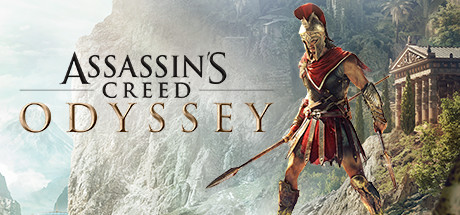
Origins caps at level 40 rather than 99, keeps a single fixed protagonist in Bayek, and splits ranged combat into four distinct bow classes that Odyssey merged into one bow. Odyssey added dialogue choices, ship combat and the mercenary system, none of which are in Origins.
Which bow should I use in Assassin's Creed Origins?
Carry two. A Predator bow handles everything at distance because it slows time and lets you guide the arrow, and a Warrior bow covers close range since all five of its arrows land on one target at point blank.
What level should I be for the Green Mountains?
Around 36 to 40. Green Mountains and Cyrene sit at the top of the base game's progression, so most players arrive there after finishing Memphis and the Nile delta regions.
How many Phylakes are there and are they worth hunting?
There are ten, each locked to a fixed level and each dropping legendary gear. They are worth hunting once you outlevel them, and sleep darts followed by a charged heavy attack removes most of the risk.
Do I need the DLC to reach the level cap?
No. The base game caps at 40 and the main story gets you there. The Hidden Ones raises the cap for the Sinai content, and The Curse of the Pharaohs raises it again for Thebes, so both are post story additions rather than requirements.
More Assassin's Creed Origins Guides
- Assassin's Creed Origins Best Builds
- Assassin's Creed Origins Tier List
- Assassin's Creed Origins Walkthrough
- Assassin's Creed Origins Beginner's Guide
- Assassin's Creed Origins Tips & Tricks
- Assassin's Creed Origins Weapons Guide
- Assassin's Creed Origins Combat Guide
- Assassin's Creed Origins Boss Guide
- Assassin's Creed Origins Maps & Locations
- Assassin's Creed Origins Crafting Guide
- Assassin's Creed Origins Classes & Characters
Similar Games
If you enjoy Assassin's Creed Origins, check out these related guides:
- Elden Ring Guide: rpg game with similar mechanics
- Baldur's Gate 3 Guide: rpg game with similar mechanics
- Cyberpunk 2077 Guide: rpg game with similar mechanics