BeamNG.drive is a driving sandbox built on a soft-body physics engine that models every beam and node of a vehicle. Cars crumple, axles bend, and engines fail in ways scripted games never capture. It is part crash simulator, part racing playground, and part endless tuning workshop.
This guide covers everything you need: core mechanics, the best builds, equipment worth investing in, location progression, and the tips that actually make a difference.
Core Mechanics
soft-body physics
Each vehicle is a mesh of nodes connected by beams that deform under real forces, so collisions, rollovers, and component failures all play out from physics rather than canned animations. This is what makes every crash unique and every repair meaningful.
vehicle tuning
The tuning menu exposes deep parameters like gear ratios, camber, spring rates, and tire pressure. Dialing these for a specific surface or discipline transforms how a car handles, rewarding patient experimentation.
scenario and freeroam modes
You can drop into open freeroam to explore and experiment, or load scenarios and time trials with set objectives. The mix lets you mess around or chase a clean lap depending on your mood.
career mode progression
Career mode adds money, vehicle ownership, and a progression loop of jobs and challenges across the maps. It gives the sandbox a goal-driven spine for players who want more than free play.
mod support
An enormous modding scene adds vehicles, maps, and tools through the in-game repository. Mods extend the sandbox almost indefinitely, from real-world cars to entirely new physics toys.
Builds Overview
| Build | Tier | Playstyle | Key Stats |
|---|---|---|---|
| Rally Driver | A | Trail brake into corners, ride the slide | Suspension travel, tire grip |
| Drift Specialist | A | Initiate with weight transfer, hold the angle | Power delivery, weight balance |
| Demolition Derby | B | Aim for opponents, protect your radiator and wheels | Durability, mass |
| Time Trial Racer | S | Smooth inputs, hit apexes, minimize scrub | Grip, aero balance, gearing |
| Off-Road Crawler | B | Crawl deliberately, pick clean lines over obstacles | Torque, articulation, traction |
Rally Driver (A-Tier): A loose-surface setup with raised suspension, soft dampers, and grippy tires for controlled slides on gravel.
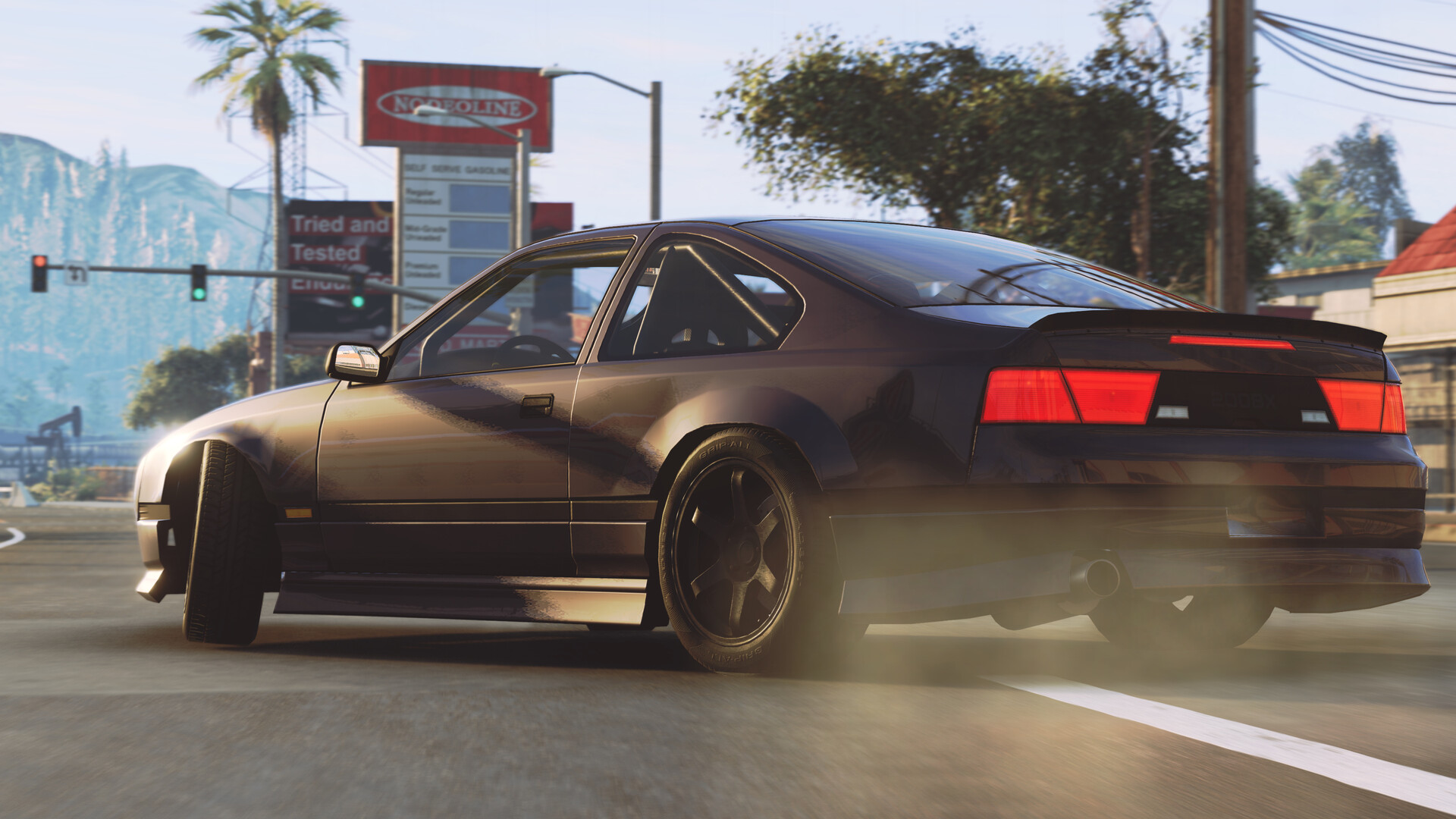
Drift Specialist (A-Tier): Rear-drive power, a locked differential, and reduced rear grip to hold long, smoky slides.
Demolition Derby (B-Tier): A reinforced heavy build aimed at surviving impacts and dishing out damage in an arena.
Time Trial Racer (S-Tier): A track-optimized tune with stiff suspension, aggressive aero, and slick tires for the fastest clean laps.
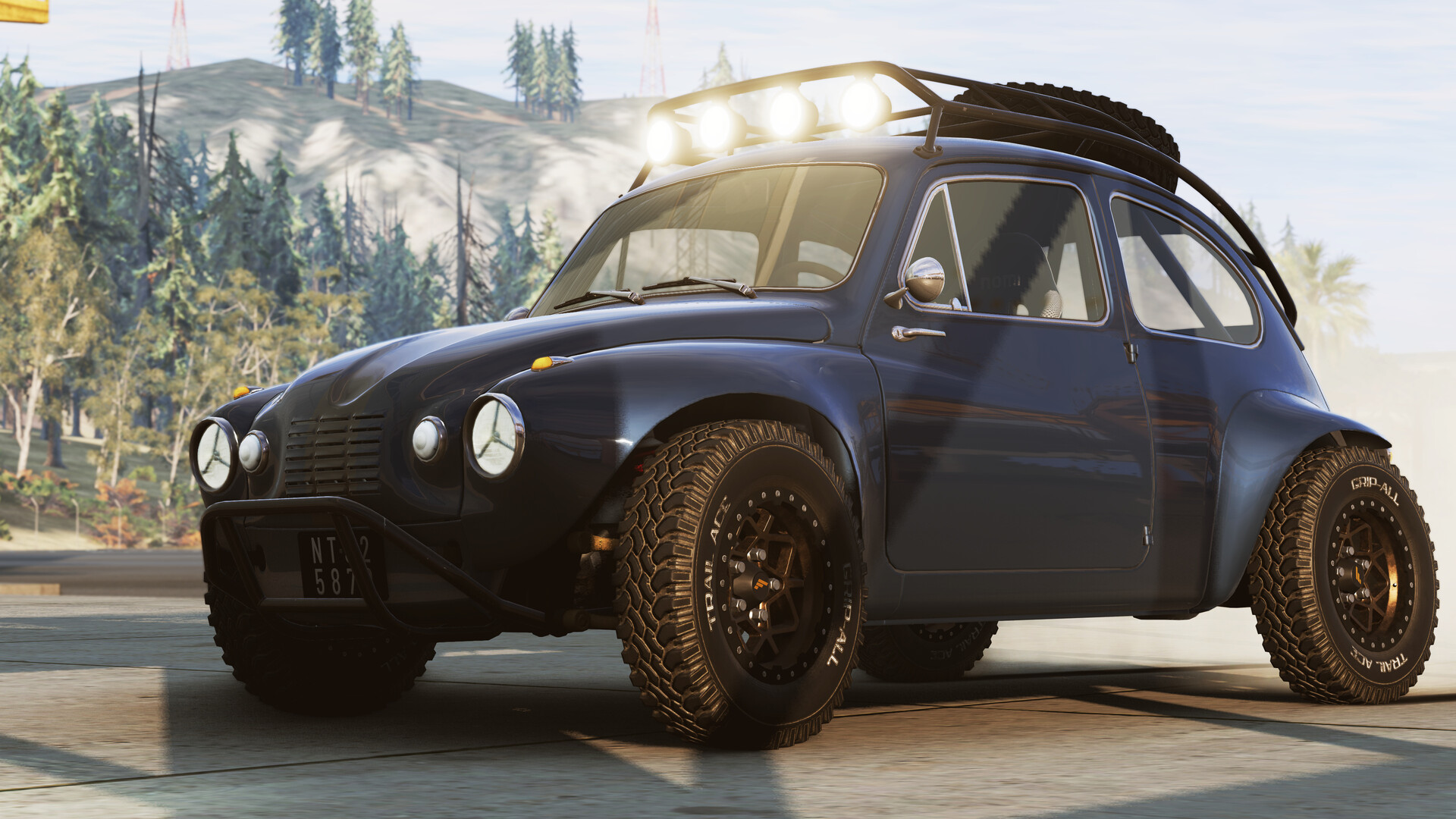
Off-Road Crawler (B-Tier): Low gearing, soft tires, and high clearance for technical climbs over rough terrain.
For full build breakdowns with gear and stat priorities, see our BeamNG.drive builds guide. For rankings, check the tier list.
Equipment Guide
| Equipment | Why It Matters | Best For |
|---|---|---|
| Ibishu Pessima | A versatile midsize sedan that handles rally, drift, and track tunes well, a great learning platform. | Beginners learning car control across disciplines |
| Gavril D-Series | A rugged pickup truck ideal for off-road builds, hauling, and demolition setups. | Off-road crawling and derby builds |
| Hirochi Sunburst | A nimble sports car with strong balance, the go-to for track and rally time trials. | Time trials and precise racing |
| ETK 800 Series | A premium sport sedan with abundant power, popular for drift and high-speed cruising. | Drift tunes and fast road driving |
| Bruckell Bastion | A large American sedan with a heavy body that suits cruising and demolition events. | Demolition derby and boulevard cruising |
Ibishu Pessima: A versatile midsize sedan that handles rally, drift, and track tunes well, a great learning platform.
Gavril D-Series: A rugged pickup truck ideal for off-road builds, hauling, and demolition setups.
Hirochi Sunburst: A nimble sports car with strong balance, the go-to for track and rally time trials.
ETK 800 Series: A premium sport sedan with abundant power, popular for drift and high-speed cruising.
Bruckell Bastion: A large American sedan with a heavy body that suits cruising and demolition events.
Full breakdowns in our BeamNG.drive weapons guide.
Location Progression
| Location | Level Range | Key Rewards |
|---|---|---|
| West Coast USA | Any | Varied roads, hidden routes, photogenic crash spots |
| Italy | Any | Long touge runs, scenic drives, big elevation |
| Jungle Rock Island | Any | Off-road challenges, jumps, varied surfaces |
| Utah | Any | Top-speed straights, desert trails, crash testing |
| East Coast USA | Any | Beginner-friendly roads, oval track, balanced terrain |
West Coast USA: A sprawling map of city streets, highways, docks, and hills, the most complete sandbox to drive.
Italy: An enormous Mediterranean map of mountain switchbacks, coastal roads, and small towns.
Jungle Rock Island: A compact tropical island with off-road trails, an airfield, and tight technical sections.
Utah: A wide open desert map of long highways and dirt roads, built for high-speed runs and crashes.
East Coast USA: A classic small-town map with rural roads and a racetrack, ideal for learning car control.
See our maps & locations guide for detailed area breakdowns and our walkthrough for the optimal progression path.
Tips That Actually Matter
- Switch on the damage and node overlay early to understand how the soft-body physics models failures.
- Tune tire pressure first, it changes grip and handling more noticeably than most other settings.
- Use the built-in slow-motion to replay a crash and see exactly which component gave way.
- Drive with a controller or wheel rather than the keyboard for the finesse the physics rewards.
- Save every vehicle configuration you tune so you can reload a known setup later.
- Match suspension stiffness to the surface, soft for off-road and stiff for the track.
- Lower the rear tire grip and lock the differential to make drifting easier to sustain.
- Start on East Coast USA to learn handling before tackling Italy's demanding mountain roads.
- Browse the in-game mod repository for vehicles and maps once you have learned the basics.
- Reset a vehicle with the recovery key rather than restarting the whole scenario after a wreck.
Frequently Asked Questions
Is BeamNG.drive a racing game?
Partly. It is a physics-driven driving sandbox with racing scenarios, time trials, and a career mode, but its heart is realistic vehicle behavior, crashes, and tuning rather than pure competition.
What car should beginners start with?
The Ibishu Pessima is a balanced, forgiving platform that handles rally, drift, and track tunes, making it ideal for learning car control before you specialize.
Do I need a steering wheel?
No, but a controller or wheel gives far better control than a keyboard. The soft-body physics reward smooth, analog inputs that digital keys cannot provide.
How does tuning change the driving?
Tuning adjusts gearing, suspension, camber, and tire pressure, which dramatically alter grip and handling. Matching the setup to the surface and discipline is most of the skill ceiling.
Are mods worth installing?
Yes. The in-game repository adds vehicles, maps, and tools that extend the sandbox enormously. Learn the base game first, then expand with mods once you know what you enjoy.
Similar Games
If you enjoy BeamNG.drive, check out these related guides:
- Stardew Valley Guide: simulation game with similar mechanics
- Satisfactory Guide: simulation game with similar mechanics
- The Sims 4 Guide: simulation game with similar mechanics