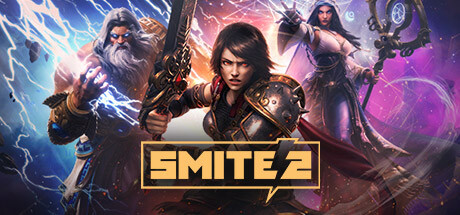
This is the original SMITE, the third person MOBA Hi-Rez and Titan Forge launched out of beta on 25 March 2014 and later put on Steam. Its roster closed at 130 gods, finishing with the Egyptian sky goddess Nut in Year 11, after which all new content moved to SMITE 2. The servers are still up and matches still fill, but the game sits in maintenance mode, so what follows describes a settled game rather than a moving one.
This guide covers everything you need: core mechanics, the best builds, equipment worth investing in, location progression, and the tips that actually make a difference.
Core Mechanics
Physical and Magical Power
SMITE 1 splits damage into Physical Power and Magical Power, each with its own penetration and its own protection stat. Every god and every item sits on one side of that split, and it is the clearest structural difference from SMITE 2's Strength and Intelligence.
Relics as free actives
Relics are free active abilities on their own cooldowns, held separately from your six item slots. You unlock one at level 1 and a second at level 12, and Purification Beads cleansing crowd control or Aegis Amulet's 1.5 seconds of invulnerability decide more fights than most item passives.
Third person aiming
The camera sits over your god's shoulder, so most abilities are aimed by hand and every projectile has travel time. You cannot see behind yourself, which is why the jungle functions as a threat rather than as a safe farming route.
Conquest objectives
Conquest runs three lanes plus a jungle, with Gold Fury on the long lane side and Fire Giant on the short lane side. Oracle Furies sit across from the Gold Fury and spawn 35 seconds into the match, and the mid camp behind Fire Giant is replaced by the Pyromancer 7 minutes in.
Maintenance mode and the SMITE 2 handover
Nut was the 130th and last god added here. Hi-Rez moved development to SMITE 2 and left this game running, with Legacy Gems and the Divine Legacy event carrying account history across for players who link both accounts.
For a deeper dive into how these systems interact, see our SMITE combat guide.
Builds Overview
| Build | Tier | Playstyle | Key Stats |
|---|---|---|---|
| Mage | A | Versatile approach | Balanced stats |
| Hunter | A | Versatile approach | Balanced stats |
| Warrior | A | Versatile approach | Balanced stats |
| Guardian | A | Versatile approach | Balanced stats |
| Assassin | A | Versatile approach | Balanced stats |
For full build breakdowns with gear and stat priorities, see our SMITE builds guide. For rankings, check the tier list.
Equipment Guide
| Equipment | Why It Matters | Best For |
|---|---|---|
| Qin's Sais | A physical item whose passive adds damage on every basic attack based on a share of the target's maximum health, scaling further against high health targets. | Basic attack Hunters and attack speed Assassins facing a Guardian and Warrior frontline. |
| Jotunn's Wrath | Physical Power, flat penetration, cooldown reduction and mana in one mid priced item. | Junglers and Warriors whose damage comes from abilities, bought as a first or second core item. |
| Titan's Bane | Percentage based physical penetration, which cuts through protections rather than inflating your own number. | Physical gods in the third or fourth slot, once the enemy frontline has started itemising protections. |
| Book of Thoth | A stacking magical item that turns maximum mana into Magical Power and gains stacks from kills and assists. | Mid lane Mages who can start it before ten minutes and will collect assists steadily through the mid game. |
| Sovereignty | An aura item granting physical protection and health to allies standing near you. | Guardians in the long lane against a physical damage carry, bought as an early core item. |
Qin's Sais: A physical item whose passive adds damage on every basic attack based on a share of the target's maximum health, scaling further against high health targets. Attack speed multiplies it, Physical Power does not.
Jotunn's Wrath: Physical Power, flat penetration, cooldown reduction and mana in one mid priced item. It is the single reason ability based physical gods function in this game.
Titan's Bane: Percentage based physical penetration, which cuts through protections rather than inflating your own number. Its value rises with every defensive item the enemy buys.
Book of Thoth: A stacking magical item that turns maximum mana into Magical Power and gains stacks from kills and assists. Bought late it is a wasted slot, bought early it is the largest Magical Power source available.
Sovereignty: An aura item granting physical protection and health to allies standing near you. Support builds are priced around items like this, because a support's gold does more spread across four teammates.
Full breakdowns in our SMITE weapons guide.
Location Progression
| Location | Level Range | Key Rewards |
|---|---|---|
| Conquest lanes | Levels 1 to 20 | Lane gold and experience, tower and phoenix pressure, rotation timings |
| Jungle buff camps | Levels 1 to 20 | Four buff types, jungle gold, invade pressure on the enemy jungler |
| Gold Fury and Oracle Fury pits | From the opening minutes onward | Team gold and experience, early Oracle Fury contest, control of the long lane half |
| Fire Giant and Pyromancer camps | Mid to late game | The Fire Giant team buff, the Pyromancer, siege momentum |
| Arena, Joust and Assault maps | Any level | Faster matches, low pressure practice on a new god, a place to test item timings |
Conquest lanes: Three lanes with towers and phoenixes, a solo laner on the short lane, a mid laner in the centre and a carry with a support on the long lane. Wave position here decides where the jungler can afford to be.
Jungle buff camps: Neutral camps between the lanes granting mana, damage, movement speed and attack speed buffs. Which buff a jungler takes first is a reliable tell for which lane they intend to visit.
Gold Fury and Oracle Fury pits: Gold Fury sits beside the long lane and pays the whole team in gold and experience. The Oracle Fury camp sits across from it, spawns 35 seconds into the match and returns roughly every 3 minutes.
Fire Giant and Pyromancer camps: Fire Giant sits on the short lane side and its buff converts a won teamfight into a won game. The mid camp behind it despawns 7 minutes in and is replaced by the Pyromancer.
Arena, Joust and Assault maps: The modes outside Conquest. Arena is one open pit with a ticket counter, Joust is a single lane 3v3, and Assault is a single lane with randomly assigned gods. All three are shorter and far more forgiving.
See our maps & locations guide for detailed area breakdowns and our walkthrough for the optimal progression path.
Tips That Actually Matter
- Buy your second relic the moment you hit level 12. It costs nothing, it sits on a cooldown separate from your items, and forgetting it removes an entire defensive option for the whole mid game.
- Purification Beads clear crowd control and grant a short immunity window, while Aegis Amulet gives 1.5 seconds of invulnerability during which you cannot act. Take Beads first against a stun heavy line up and Aegis first against burst damage.
- Qin's Sais deals damage as a share of the target's maximum health on basic attacks, so it scales with the enemy tank rather than with your own Physical Power. Buy attack speed alongside it instead of more raw power.
- Book of Thoth is an early commitment. It converts maximum mana into Magical Power and stacks from kills and assists, so one bought at twenty minutes is a slot you have thrown away.
- Titan's Bane is percentage penetration, so its value climbs with the enemy's protections. Buy it after the enemy frontline starts itemising defence, not as a second item into squishy targets.
- Learn which side each objective spawns on. Fire Giant sits on the short lane half and Gold Fury on the long lane half, so the approach routes and the ward placements are completely different for each.
- The Oracle Fury camp spawns 35 seconds into the match and returns roughly every 3 minutes, which makes it an early rotation target rather than a late objective. Support and jungler take it together or not at all.
- Third person projectiles travel and you cannot see behind yourself. Lead moving targets, and treat any unwarded jungle entrance behind your lane as an assumption rather than a known quantity.
- Do not carry a SMITE 2 build across. This game runs Physical and Magical Power with separate protections, while the sequel replaced that with Strength and Intelligence, so the item lists do not translate.
- Practise a new god in Arena or Joust first. Conquest punishes a bad opening ten minutes for the whole match, while Arena lets you drill ability aiming and item timings without costing a teammate their lane.
Common Mistakes to Avoid
- Leaving the second relic slot empty after level 12. It costs nothing to fill and it is the most common oversight at low ranks in this game.
- Buying Book of Thoth or any other stacking item late. Stacking items are a first ten minutes decision, and a half stacked one performs worse than any completed alternative.
- Assuming knowledge from the sequel transfers. The original runs Physical and Magical Power, keeps relics as a separate system and carries 130 gods, so builds and matchups do not map across.
- Starting Fire Giant without vision on the enemy jungler. It takes long enough that a four person rotation steals the objective and wins the fight afterwards, reversing a fifteen minute lead in one attempt.
- Aiming at where an enemy currently stands rather than where they are heading. Every projectile here has travel time, and failing to lead a target is the largest source of missed damage at every rank.
Frequently Asked Questions
Is SMITE still playable in 2026?
Yes. The servers are up and matches still fill, but the game is in maintenance mode. Hi-Rez moved new content to SMITE 2, so expect a stable game rather than new gods, new seasons or balance overhauls.
Who was the last god released?
Nut, the Egyptian sky goddess, added in Year 11 as the 130th and final entry on the roster. Every god designed after her went to SMITE 2 instead.
Should I play this or SMITE 2?
This one has the bigger roster at 130 gods and a metagame that stopped moving. SMITE 2 gets the patches, the new gods and the competitive scene, on a different stat system. Time spent here still earns Legacy Gems that discount SMITE 2 purchases once the accounts are linked.
What are relics?
Free active abilities on their own cooldowns, separate from your six item slots. You unlock one at level 1 and a second at level 12, choosing from Purification Beads, Aegis Amulet, Blink Rune, Magic Shell, Horrific Emblem, Sundering Spear and others.
How does it differ from SMITE 2?
Mainly the stat system. This game uses Physical Power and Magical Power with separate protections, while SMITE 2 replaced that with Strength and Intelligence and added per god Aspects. The five classes and the broad Conquest layout carry across, the item lists do not.
More SMITE Guides
- SMITE Best Builds
- SMITE Tier List
- SMITE Walkthrough
- SMITE Beginner's Guide
- SMITE Tips & Tricks
- SMITE Weapons Guide
- SMITE Combat Guide
- SMITE Boss Guide
- SMITE Maps & Locations
- SMITE Crafting Guide
- SMITE Classes & Characters
Similar Games
If you enjoy SMITE, check out these related guides:
- Dota 2 Guide: moba game with similar mechanics
- Eternal Return Guide: moba game with similar mechanics
- SMITE 2 Guide: moba game with similar mechanics