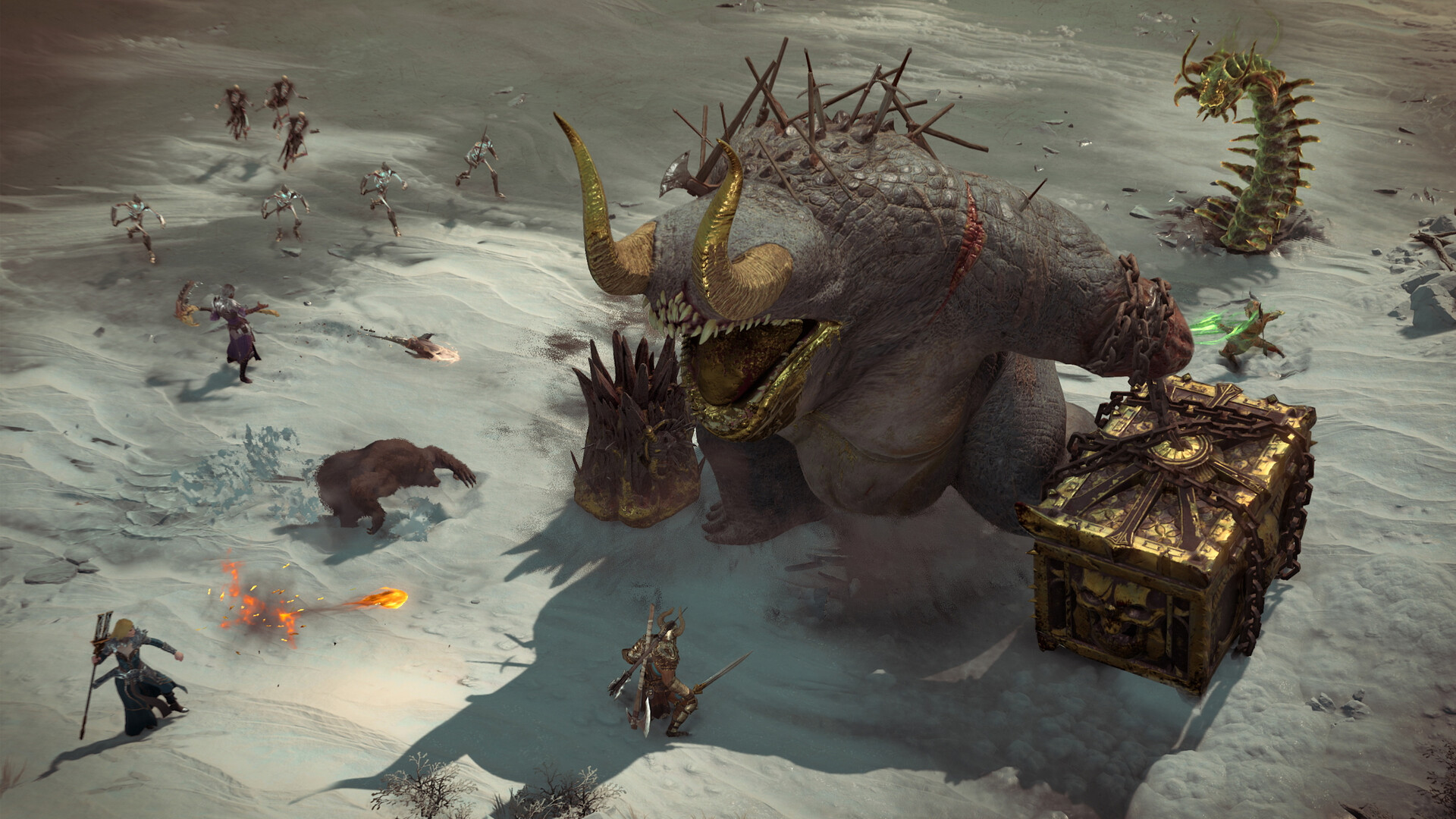


Diablo IV returns to a grim Sanctuary where Lilith stirs old horror across a shared open world. You pick one of five classes, chase loot through dungeons and seasonal events, then funnel power into Paragon boards that push your build into the endgame. Seasons reset progress but add fresh mechanics every few months.
This guide covers everything you need: core mechanics, the best builds, equipment worth investing in, location progression, and the tips that actually make a difference.
Core Mechanics
Paragon boards
After level 50 you earn Paragon points that slot into a grid of boards, each studded with stat nodes, rare glyph sockets, and legendary tiles. Glyphs amplify nearby nodes, so planning the route through several boards is where most endgame damage comes from.
skill tree specializations
Each class unlocks a unique class mechanic, like the Sorcerer's Enchantment slots or the Necromancer's Book of the Dead. These specializations reshape how your active skills behave and often define the whole build.
Nightmare Dungeons
Sigils turn ordinary dungeons into tiered Nightmare versions with affixes and higher density. Completing them levels your Glyphs, which is the main reason to run them on repeat through the endgame.
Helltide events
Helltides are roaming corrupted zones that drop Aberrant Cinders, spawn tougher enemies, and open Tortured Gift chests. They are the fastest source of crafting materials and forgotten souls for upgrades.
tempering and masterworking
Tempering adds extra affixes to gear from learned recipes, and masterworking upgrades existing affixes in increments at the Blacksmith. Together they take a good drop and turn it into a perfected piece for your build.
For a deeper dive into how these systems interact, see our Diablo IV combat guide.
Builds Overview
| Build | Tier | Playstyle | Key Stats |
|---|---|---|---|
| Barbarian | A | Versatile approach | Balanced stats |
| Sorcerer | A | Versatile approach | Balanced stats |
| Druid | A | Versatile approach | Balanced stats |
| Rogue | A | Versatile approach | Balanced stats |
| Necromancer | A | Versatile approach | Balanced stats |
For full build breakdowns with gear and stat priorities, see our Diablo IV builds guide. For rankings, check the tier list.
Equipment Guide
| Equipment | Why It Matters | Best For |
|---|---|---|
| Two-Handed Sword | Barbarian bread and butter with high base damage that feeds Arsenal swap builds. | Barbarians stacking Walking Arsenal |
| Wand | A fast Sorcerer weapon that boosts lucky hit chance, ideal for proc-heavy lightning builds. | Sorcerers chasing lucky hit triggers |
| Staff | Druid two-hander with the largest damage roll, pairs with Pulverize overpower scaling. | Druids running heavy melee shapeshift builds |
| Crossbow | Rogue ranged option with strong critical strike rolls for marksman setups. | Rogues favoring ranged Penetrating Shot |
| Scythe | Necromancer two-hander that boosts essence on kill, smoothing resource flow for Bone builds. | Necromancers needing essence sustain |
Two-Handed Sword: Barbarian bread and butter with high base damage that feeds Arsenal swap builds.
Wand: A fast Sorcerer weapon that boosts lucky hit chance, ideal for proc-heavy lightning builds.
Staff: Druid two-hander with the largest damage roll, pairs with Pulverize overpower scaling.
Crossbow: Rogue ranged option with strong critical strike rolls for marksman setups.
Scythe: Necromancer two-hander that boosts essence on kill, smoothing resource flow for Bone builds.
Full breakdowns in our Diablo IV weapons guide.
Location Progression
| Location | Level Range | Key Rewards |
|---|---|---|
| Kyovashad | 1-50 | Crafting access, Wardrobe, vendor refresh |
| Fractured Peaks | 1-25 | Altars of Lilith, early Aspects, Cathedral dungeon |
| Dry Steppes | 25-45 | Renown chests, Aspect dungeons, Stronghold clears |
| Hawezar | 45+ | High-density Nightmare Dungeons, unique drops |
| Nahantu | 60+ | Spiritborn unlock, Citadel co-op, Runewords |
Kyovashad: The central hub city where you find the Blacksmith, Jeweler, Occultist, and stash early on.
Fractured Peaks: The snowy starting region with the campaign opening and your first Helltide exposure.
Dry Steppes: A harsh cannibal-haunted desert with strong renown rewards and waypoints.
Hawezar: A poisonous swamp full of snakes and witches, home to dense endgame dungeons.
Nahantu: The Vessel of Hatred jungle region with the Spiritborn class and new endgame systems.
See our maps & locations guide for detailed area breakdowns and our walkthrough for the optimal progression path.
Tips That Actually Matter
- Extract a powerful Aspect from any drop and imprint it onto better gear, the Codex saves the best you find.
- Run Helltides whenever one is active, the Cinder grind funds your forgotten souls and gold.
- Slot Glyphs early and level them in Nightmare Dungeons, they scale your damage faster than item rarity.
- Respec for cheap before level 50, lock in a plan only once Paragon points start flowing.
- Temper gear before masterworking, you want the right affixes present before you upgrade them.
- Collect every Altar of Lilith, the permanent stat boosts carry across all your characters.
- Save Boss materials and run Tormented bosses in groups for the best Uber Unique odds.
- Use the Occultist to reroll a single bad affix instead of trashing an otherwise great item.
- Push Pit tiers for masterworking materials once your build can clear them quickly.
- Match your weapon swap timing to skill cooldowns on Barbarian for the Arsenal damage bonus.
Frequently Asked Questions
Which class is best for beginners in Diablo IV?
Necromancer is the easiest start. Minions tank for you, Bone Spear hits hard at range, and the class stays strong from level one into the endgame.
Do I have to play seasons?
No, but seasonal realms get the new mechanics, balance changes, and the freshest loot grind. The Eternal realm keeps your old characters if you prefer.
How do I increase damage in the endgame?
Level your Glyphs in Nightmare Dungeons, route Paragon boards toward legendary nodes, and temper plus masterwork your gear for your build's key affixes.
What are Aspects and why do they matter?
Aspects are legendary powers you can extract and imprint onto gear. The right Aspect defines a build, so the Codex of Power and dropped aspects matter more than raw item rarity.
Is Diablo IV worth playing solo?
Yes. The campaign and endgame both work solo, though the world is shared so you will see other players at events and world bosses.
Similar Games
If you enjoy Diablo IV, check out these related guides:
- Elden Ring Guide: rpg game with similar mechanics
- Baldur's Gate 3 Guide: rpg game with similar mechanics
- Cyberpunk 2077 Guide: rpg game with similar mechanics