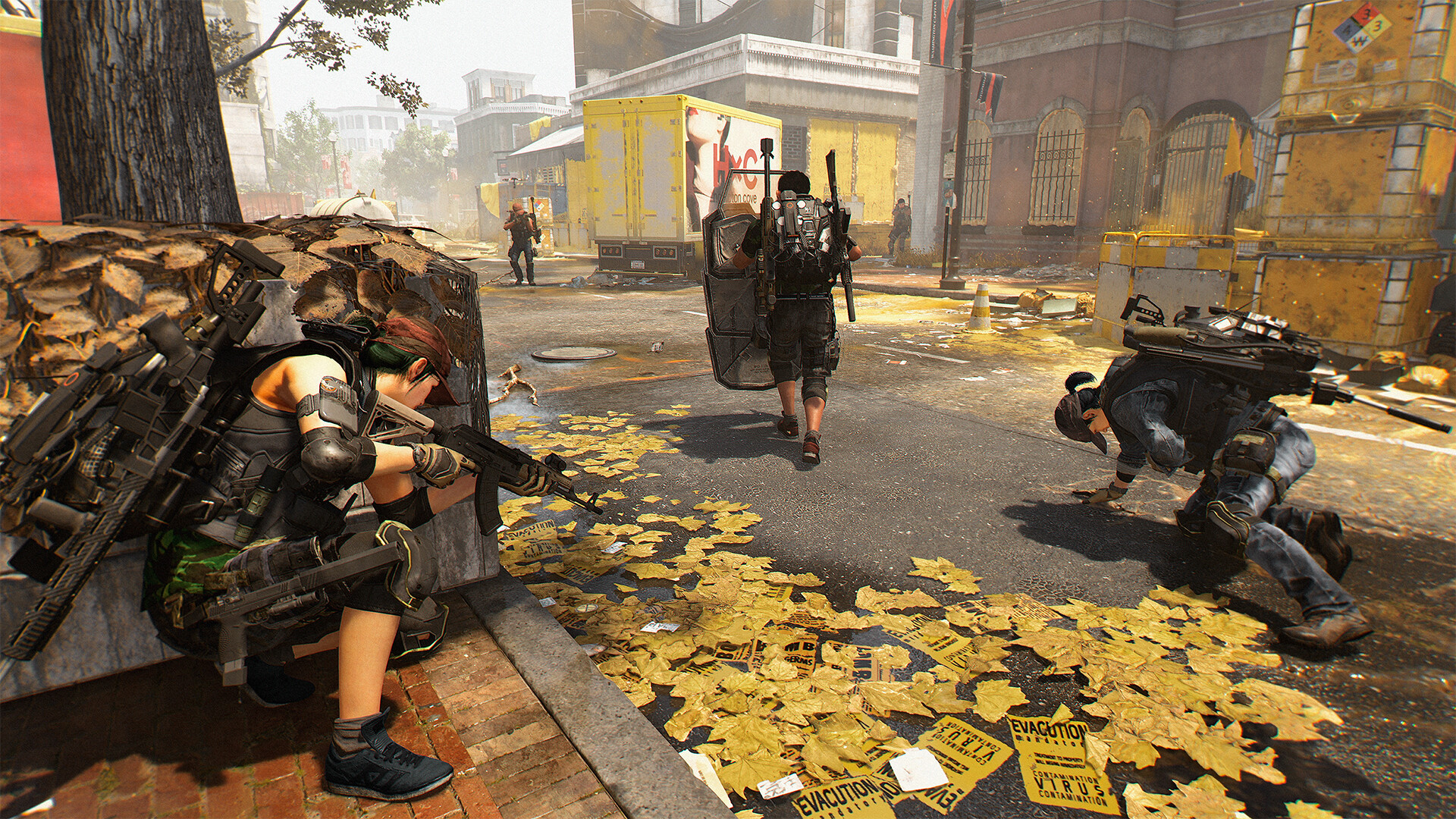
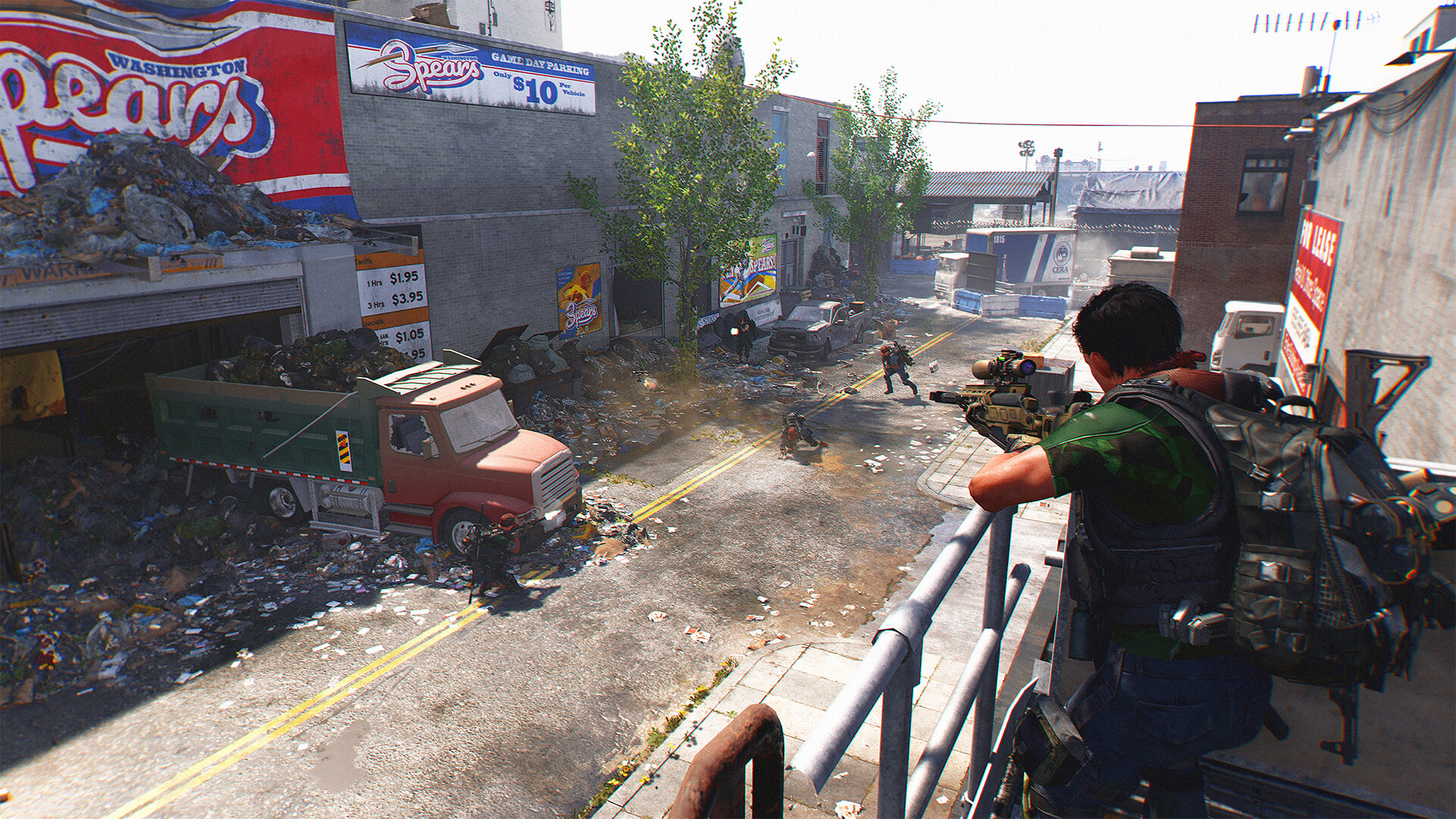
The Division 2 drops you into a collapsed Washington DC as an agent rebuilding order one firefight at a time. Underneath the cover-shooter combat sits a deep looter-RPG where gear attributes, talents, and skill tiers define your power. The campaign is just the warm-up before endgame builds and the brutal Summit tower.
Starting Tom Clancy's The Division 2 can feel overwhelming. This guide tells you exactly what to focus on during your first hours so you don't waste time on things that don't matter yet. For the full progression path, see our walkthrough.
What Kind of Game Is This?
Tom Clancy's The Division 2 is a fps game built around gear cores and attributes and skill builds.
What to expect: Time investment in learning mechanics, experimentation, and gradual mastery.
Choosing Your First Role
| Role | Beginner Rating | Why |
|---|---|---|
| Crit DPS | Good (but demanding) | Peek, crit, reposition, repeat |
| Skill Build | Good (but demanding) | Deploy skills, kite, let the drone work |
| Tank Healer | Excellent for beginners | Hold the shield, soak fire, repair the team |
| Hybrid Survivalist | Situational | Trade safety for damage as your gear improves |
| Status Effect Build | Excellent for beginners | Apply ailments, control the field, finish |
Our recommendation: Start with Skill Build. Six skill tiers turn your turret and drone into the main weapon. Safe and devastating, ideal for solo heroic clears.
Avoid Status Effect Build as your first pick. Burn, bleed, and shock enemies with status damage and the right talents, strong against tough armored targets. Once you're ready, check our classes guide for all options.
First Session Step-by-Step
Step 1: Learn gear cores and attributes
Every gear piece rolls a major core attribute colored red for weapon damage, blue for armor, or yellow for skill tier, plus secondary attributes. Stacking the right cores is the foundation of any build, so a damage build wants red cores almost everywhere.
This is the foundation. Spend your first 15-30 minutes getting comfortable with how gear cores and attributes works before worrying about anything else. Our combat guide breaks this down further.
Step 2: Head to The White House
Your base of operations and main settlement, where you upgrade skills, recalibrate gear, and accept missions.
See our maps guide for all locations.
Step 3: Get Your First Upgrade
Look for Eagle Bearer: it's the most accessible early upgrade. A coveted exotic AR with strong all-round stats and a self-heal-on-kill talent, dropped from a raid.
Step 4: Understand skill builds
Skills like the Striker drone and Sticky Bomb scale with your skill tier, which climbs as you stack yellow attributes up to tier six. A maxed skill build deletes enemies without firing a shot, trading personal armor for explosive utility.
Invest time here early.
Step 5: Push to Downtown DC
A dense urban war zone packed with control points, side missions, and faction patrols.
Essential Mechanics Explained
gear cores and attributes
Every gear piece rolls a major core attribute colored red for weapon damage, blue for armor, or yellow for skill tier, plus secondary attributes. Stacking the right cores is the foundation of any build, so a damage build wants red cores almost everywhere.
skill builds
Skills like the Striker drone and Sticky Bomb scale with your skill tier, which climbs as you stack yellow attributes up to tier six. A maxed skill build deletes enemies without firing a shot, trading personal armor for explosive utility.
brand sets and gear sets
Wearing multiple pieces of the same brand grants escalating bonuses, and dedicated gear sets like Striker's offer powerful set effects. Mixing brands for partial bonuses or committing to a set is a core build decision.
Dark Zones
Three walled Dark Zones hold high-value contaminated loot you must extract under threat of other players going rogue. The tension of PvPvE extraction makes the Dark Zone the riskiest, most rewarding open-world content.
SHD watch leveling
After the campaign, the SHD Watch levels infinitely, granting small permanent stat points you allocate across offense, defense, and utility. It is a slow but steady account-wide power creep for dedicated players.
Common Beginner Mistakes
First 5 Hours Checklist
- Understand gear cores and attributes and skill builds
- Choose Skill Build as starting role
- Clear The White House main content
- Acquire Eagle Bearer or equivalent upgrade
- Reach Downtown DC
- Pick a build direction early and match all your gear cores to it, red for damage or yellow for skills.
- Use recalibration to transfer one great attribute from a junk drop onto your build piece.
Tips for New Players
- Pick a build direction early and match all your gear cores to it, red for damage or yellow for skills.
- Use recalibration to transfer one great attribute from a junk drop onto your build piece.
- Push skill tier to six on a skill build, the jump in skill damage and cooldowns is enormous.
- Farm Heroic bounties and the Summit for targeted, high-quality loot instead of random world drops.
- Optimize god-rolled gear at the workbench to squeeze attributes up to their maximum values.
- Stack critical hit chance until it caps before pouring points into critical damage.
- Run a self-heal exotic like Eagle Bearer while you learn heroic enemy patterns.
- Mix brand bonuses for partial buffs when you lack a full gear set.
- Level your SHD Watch passively, the permanent stat points add up over time.
- Extract Dark Zone loot in small batches rather than greedily filling your bag and losing it all.
Frequently Asked Questions
What is the best build for beginners in The Division 2?
A Crit DPS build is the easiest to grasp. Stack red cores, push critical hit chance to the cap, then critical damage, and use a self-healing exotic while you learn enemy patterns.
How do skill builds work?
Skills scale with your skill tier, which rises as you stack yellow attributes up to tier six. At max tier your turret and drone do the heavy lifting, making it a strong solo build.
Should I play the Dark Zones?
Yes for the best loot, but extract in small batches. Other players can go rogue and steal your contaminated gear, so the risk scales with how much you carry.
What is recalibration and why does it matter?
Recalibration moves one attribute or talent from a sacrificed item onto a keeper piece. It is how you turn an almost-perfect drop into a god roll for your build.
Is The Division 2 worth playing solo?
Yes. The campaign and most endgame content can be soloed, and a tier-six skill build makes even Heroic difficulty manageable without a group.
Similar Games
If you enjoy Tom Clancy's The Division 2, check out these related guides:
- Counter-Strike 2 Beginner's Guide: fps game with similar mechanics
- Apex Legends Beginner's Guide: fps game with similar mechanics
- Rainbow Six Siege Beginner's Guide: fps game with similar mechanics